A disturbing new incident involving AI-powered smart glasses is reigniting fears about privacy, surveillance, and harassment in public spaces after a woman in London said she was secretly filmed by a stranger wearing smart glasses and later pressured to pay money to have the footage removed from social media.
According to reports from BBC News and other outlets, the woman, who asked not to be identified, said a man covertly recorded her while shopping in London using camera-equipped smart glasses believed to be similar to Meta’s Ray-Ban devices. The footage was later uploaded online, where it reportedly gained tens of thousands of views.
What transformed the case from another privacy controversy into something more alarming was the alleged demand for payment. The man reportedly told the woman that removing the video was a “paid service,” effectively asking for money in exchange for taking down footage she never consented to being recorded in the first place.
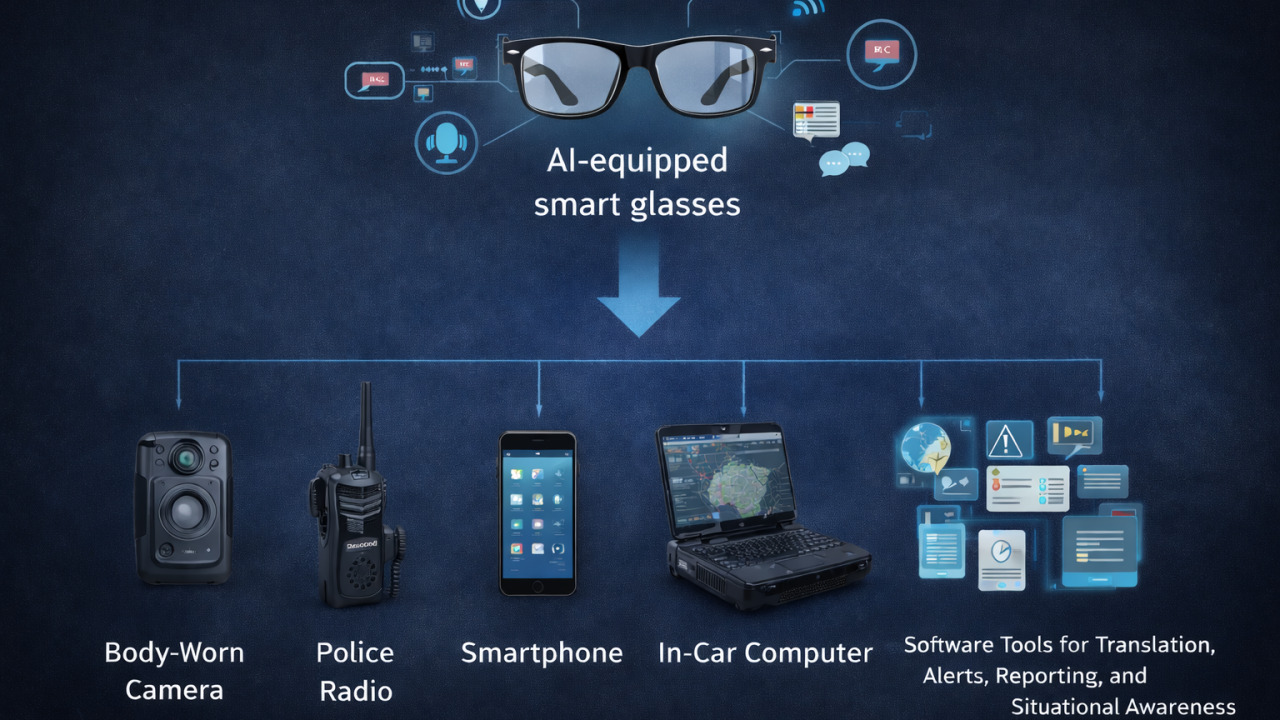
The case is quickly becoming a flashpoint in the growing debate over wearable surveillance technology. Smart glasses equipped with cameras and AI features are increasingly being marketed as the next evolution of consumer tech, but critics argue they are also becoming tools for covert recording, harassment, and now potentially extortion.
The backlash has intensified around Meta’s smart eyewear ecosystem as Meta smart glasses privacy fears continue spreading across the tech industry. Critics say the devices allow users to capture photos and videos discreetly without holding up a phone. While the devices include a recording indicator light designed to alert nearby people when recording is active, critics argue the lights are too subtle and can sometimes be obscured.
Privacy advocates say incidents like this were inevitable.
Australia’s eSafety Commissioner recently warned that augmented reality glasses can be misused to record people covertly and cited growing concerns over non-consensual filming and image-based abuse linked to smart wearable devices.
The controversy also reflects wider discomfort with how rapidly wearable AI devices are entering public life. A recent feature in The Guardian described widespread anxiety from people encountering Meta smart glasses in everyday situations, with many immediately asking users whether they were being filmed.
Some critics have even begun referring to the devices online as “surveillance glasses” or “pervert glasses,” arguing that social norms and legal systems have not caught up with the technology. Reports discussing covert recording trends involving smart eyewear have further intensified public backlash.
The alleged victim in the London case reportedly contacted police, but authorities said there was insufficient information to begin a formal investigation. The individual accused of filming denied attempting to extort money from the woman.
The incident arrives at a crucial moment for the smart glasses industry. Companies including Meta, Google, Apple, and Samsung are investing heavily in wearable AI devices that blend cameras, microphones, augmented reality, and voice assistants into everyday eyewear.
Apple’s growing ambitions in the sector were recently highlighted in reports surrounding Apple smart glasses, while leaks surrounding Samsung Galaxy Glasses suggest competition in the category is accelerating rapidly.
The broader AI wearable race is also expanding beyond eyewear as companies experiment with camera-equipped earbuds, always-listening assistants, and context-aware devices designed for ambient computing.
Supporters argue the devices offer convenience, accessibility, and hands-free computing. Critics counter that they normalize constant recording and create a world where anyone nearby could unknowingly become content for social media.
Concerns about smart glasses privacy concerns have also intensified following revelations about Meta’s expanding AI training practices involving wearable devices. Separate reports about human reviewers monitoring certain AI interactions have further fueled criticism from digital rights groups.
Researchers are also warning that future wearable AI agents could become even more invasive as always-on cameras, AI memory systems, and contextual assistants evolve.
For many privacy experts, the London incident may be the clearest warning yet that the risks are no longer theoretical.
The concern is no longer just about being recorded without consent. It is about what happens after that footage is uploaded, monetized, weaponized, or used to pressure victims into paying for their own privacy.