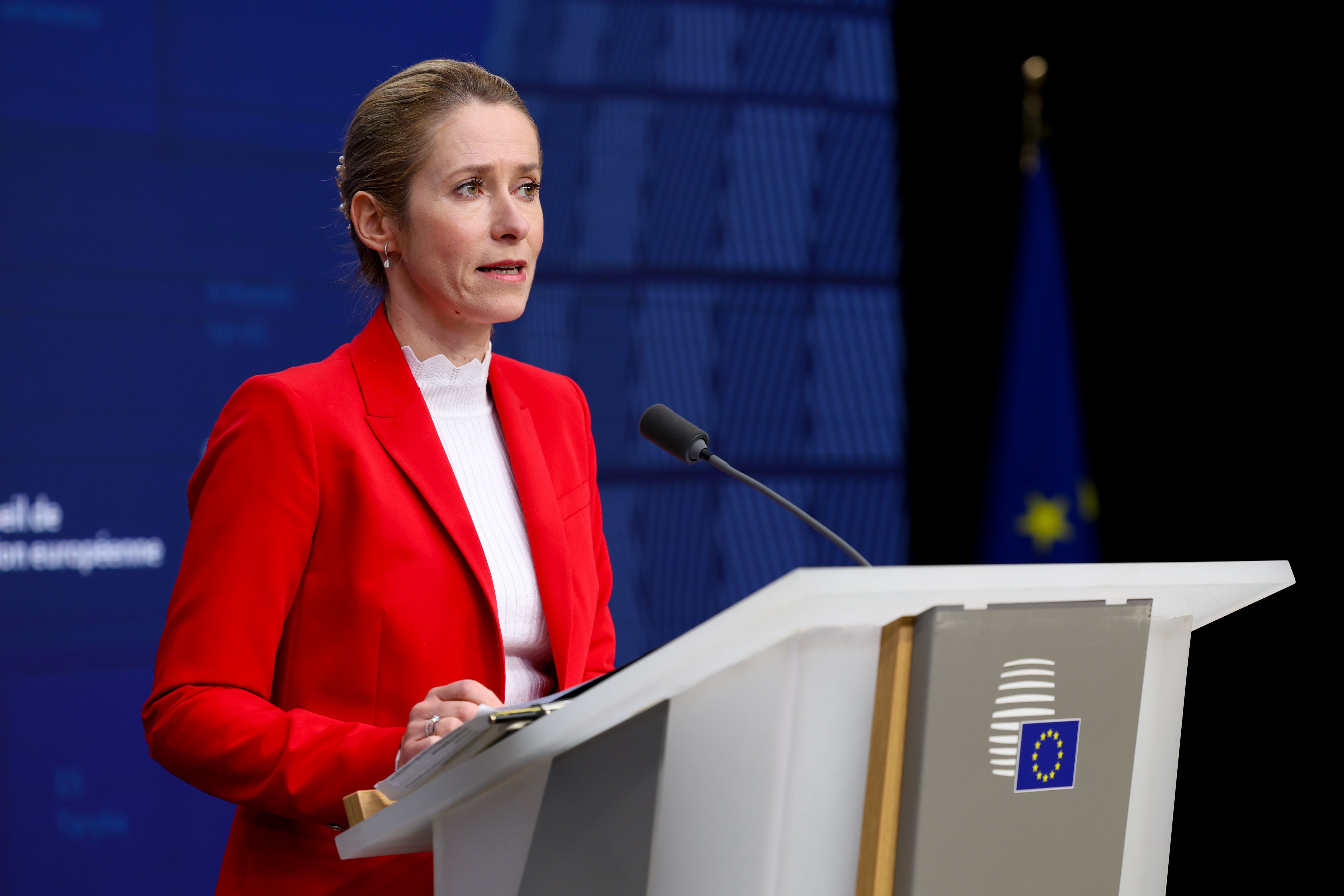
European Union foreign policy chief Kaja Kallas on Monday forcefully rejected Russian President Vladimir Putin’s suggestion that former German Chancellor Gerhard Schröder could serve as Europe’s negotiator in future talks with Moscow, warning that allowing Russia to shape the EU’s diplomatic representation would undermine the bloc’s credibility and strategic independence.
Speaking after a meeting of EU foreign ministers in Brussels, Kallas said she could personally represent the European Union in any future dialogue with Russia, insisting that Brussels should not permit Moscow to dictate who sits across the negotiating table.
“I have to say, I think I could see through the traps that Russia is presenting,” Kallas told reporters when asked whether she could become the EU’s negotiator instead of Schröder, the former German leader whose name was publicly floated by Putin last week.
Her remarks immediately intensified debate across Europe over whether the EU is quietly preparing for a new phase of direct engagement with Russia after years of diplomatic isolation, sanctions, and military escalation linked to the Ukraine conflict.
The Kremlin spokesman Dmitry Peskov earlier confirmed that Moscow had received no official response from Brussels regarding Putin’s proposal that Schröder become a key intermediary in possible future talks between Russia and Europe. Peskov said the suggestion had triggered “a storm of debates” inside European political circles.
Putin’s comments marked one of the clearest signals yet that Moscow may be attempting to reopen direct political channels with Europe amid growing fatigue inside parts of the EU over the prolonged war in Ukraine and widening economic pressures across the continent.
But Kallas, who has emerged as one of the EU’s strongest anti-Russia voices since becoming the bloc’s top diplomat, dismissed the idea almost immediately.
“First, if we give Russia the right to appoint a negotiator on our behalf, that would not be very wise,” she said. “Gerhard Schröder has been a high-level lobbyist for Russian state-owned companies.”
She added that Putin’s preference for Schröder was unsurprising because the former German chancellor would effectively be “sitting on both sides of the table.”
Schröder has long been one of the most controversial political figures in Germany due to his close personal friendship with Putin and his extensive involvement with Russian state-controlled energy firms after leaving office in 2005. He previously held senior positions connected to Nord Stream AG and Russian oil giant Rosneft, relationships that fueled accusations across Europe that he acted as an informal Kremlin advocate within the EU political establishment.
Although Schröder stepped down from Rosneft in 2022 after Russia’s military operation in Ukraine triggered sweeping Western sanctions, his reputation inside Germany and Brussels never recovered. Many European officials continue to view him as politically compromised due to his longstanding ties to Russian business interests.
The controversy erupted after Putin stated during a recent public appearance that he would “personally” favor Schröder as Europe’s representative in future negotiations with Moscow. At the same time, the Russian president added that Europeans should ultimately choose someone they trust and someone who had not publicly insulted Russia.
The proposal immediately exposed growing fractures inside Europe regarding how the bloc should approach the possibility of eventual negotiations with Moscow.
While several EU governments continue advocating maximum pressure on Russia through sanctions and military support for Ukraine, others have privately acknowledged that some form of future diplomatic architecture involving Moscow may eventually become unavoidable.
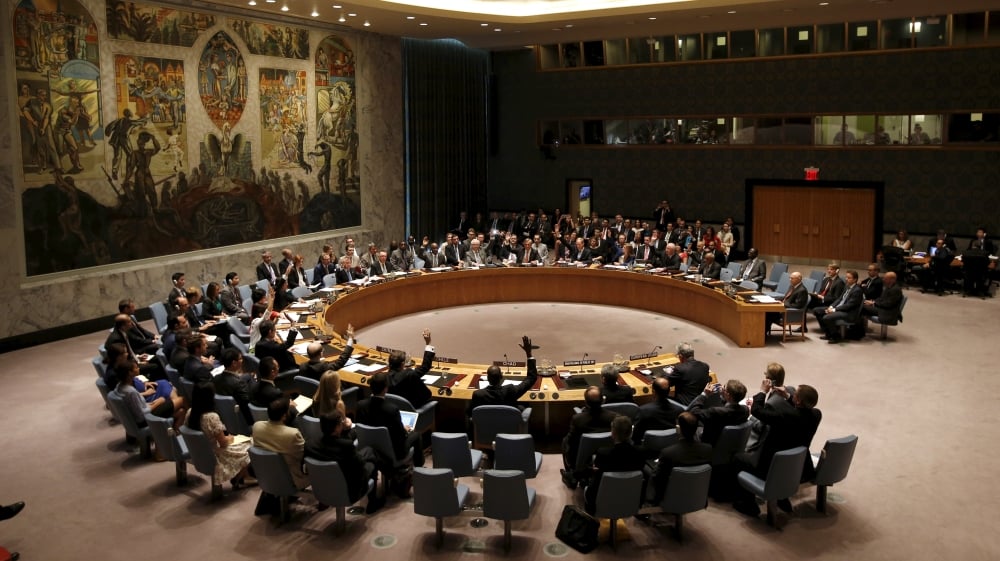
The issue reportedly dominated discussions among EU foreign ministers on Monday as officials debated whether Europe should begin preparing a coordinated position for any future negotiations with Moscow.
The discussions come amid increasing concern in Brussels that Europe could lose influence over any eventual settlement process if negotiations continue to be shaped primarily through Washington-led diplomacy.
Recent signals from parts of the European Union leadership suggest that some European officials increasingly believe the bloc should establish its own negotiating strategy independent of the United States.
Still, Kallas and several allied ministers insisted Monday that there was no indication Russia was genuinely prepared to compromise on key issues surrounding Ukraine.
European officials remain deeply skeptical about Moscow’s intentions, with many viewing Putin’s Schröder proposal as an attempt to divide Europe politically while creating the appearance of diplomatic openness.
Germany reacted cautiously to the Russian proposal. Officials in Berlin reportedly described the idea as part of “a series of bogus offers,” reflecting broader fears within the EU that Moscow is seeking to manipulate internal European divisions rather than pursue meaningful negotiations.
Ukraine also quickly rejected the possibility of Schröder playing any mediation role in future talks.
Asked whether Kyiv would support the former German leader as a negotiator, Ukrainian Foreign Minister Andrii Sybiha responded bluntly: “No, we do not.”
The episode has also highlighted the increasingly central role Kallas is playing within European foreign policy debates.
The former Estonian prime minister has consistently advocated a hardline stance toward Moscow, supporting tougher sanctions, expanded military assistance to Ukraine, and greater European defense integration since taking office as the EU’s foreign affairs chief.
Kallas has repeatedly argued that Europe should negotiate with Russia only from a position of military and political strength rather than under pressure created by battlefield developments or economic instability.
That position has won support among Eastern European governments and Baltic states that view Russia as a long-term strategic threat, though critics inside parts of Western Europe argue that Brussels risks closing off diplomatic pathways necessary for eventual conflict resolution.
The debate is expected to intensify in coming weeks as EU foreign ministers discussed future negotiations with Russia and the long-term trajectory of relations with Moscow.
Concerns over the bloc’s economic resilience have also resurfaced, particularly surrounding the EU energy crisis and its impact on Europe’s industrial competitiveness and political stability.
For now, however, Brussels appears determined to send a clear message that the European Union, not the Kremlin, will decide who represents Europe in any future negotiations with Russia.
—Inputs from Sputnik.