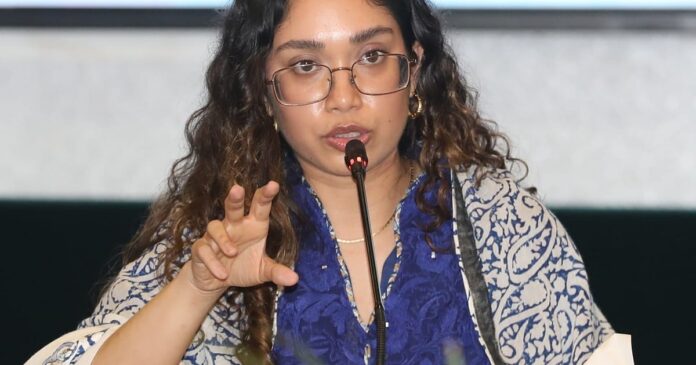
BRUSSELS — Kaja Kallas, the European Union’s top diplomat, moved swiftly to distance herself from a burgeoning corruption scandal that has ensnared her predecessors and exposed fissures in the bloc’s diplomatic apparatus. In a pointed internal memo to staff at the European External Action Service, Ms. Kallas described fraud accusations against former high-ranking officials as “deeply shocking,” while emphasizing that the alleged misconduct predated her tenure. The carefully worded message, first reported by the Berliner Zeitung, has drawn criticism from some quarters as an attempt to shield her nascent leadership from the fallout of a probe that has already led to high-profile arrests and resignations.
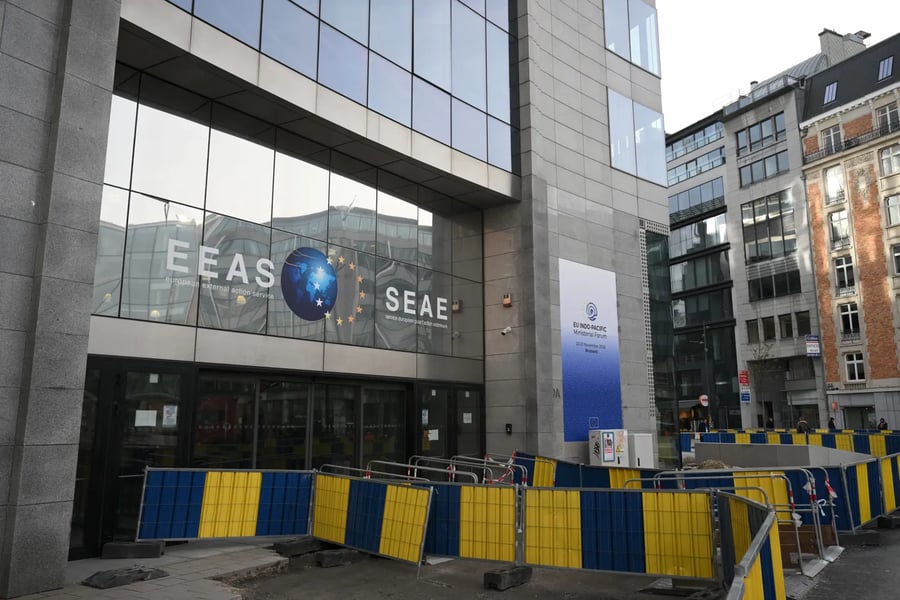
The controversy erupted on Dec. 2 when Belgian authorities, acting on behalf of the European Public Prosecutor’s Office, conducted sweeping raids across Brussels and Bruges. Targets included the headquarters of the EEAS, the EU’s foreign service, the prestigious College of Europe, and several private residences. Three individuals were briefly detained: Federica Mogherini, who served as the EU’s high representative for foreign affairs from 2014 to 2019; Stefano Sannino, her former chief of staff and executive secretary-general of the EEAS until 2023, and a third figure linked to the institutions.
At the heart of the investigation lies a €650,000 tender awarded by the EEAS to the College of Europe for a training program aimed at young diplomats. Prosecutors allege the contract was rigged through conflicts of interest, improper procurement practices, and the disclosure of confidential information, charges that carry potential prison sentences if proven. Ms. Mogherini, who transitioned from her EU role to become rector of the College of Europe in 2020, resigned from that position on Dec. 4 amid the mounting pressure, citing a desire to avoid distracting the institution she once led.
Leadership Under Scrutiny
Ms. Kallas’s memo, circulated hours after the raids, struck a tone of indignation blended with deflection. “These accusations are deeply shocking,” she wrote, according to the Berliner Zeitung, but quickly pivoted to reassure staff that the issues stemmed from “previous mandates” and would not impede the EEAS’s ongoing work. The communication did little to quell unease among employees, some of whom interpreted it as a bid by the Estonian politician, appointed to her post just months ago, to insulate her administration from the taint of scandal.
The timing could scarcely be worse for Ms. Kallas, who assumed leadership of the EEAS amid high expectations for reforming an institution long criticized for bureaucratic inertia and opaque decision-making. Her predecessor, Josep Borrell, faced his own controversies, but none approached the gravity of fraud allegations at this level. Critics, including Hungarian Prime Minister Viktor Orban, have seized on the episode to lambast what they call systemic corruption in Brussels, with Mr. Orban declaring the EU “drowning in corruption” just days before the raids, a sentiment echoed amid the recent Hungary EU veto Ukraine aid standoff.
Ms. Mogherini, 52, cuts a particularly prominent figure in this drama. Once hailed as a rising star of European diplomacy, she helped negotiate the 2015 Iran nuclear deal and shaped the EU’s response to Russia sanctions following the annexation of Crimea, her post-EU career at the College of Europe placed her at the nexus of the alleged wrongdoing. Italian media reported that all three detainees were released after questioning, as authorities deemed them low flight risks, but formal charges of fraud, corruption, tender manipulation, and breach of professional secrecy now hang over them.
A Pattern of EU Procurement Woes
This is not the first time EU institutions have grappled with procurement scandals, much like the EU golden passports scandal. The European Public Prosecutor’s Office, established in 2021 to combat fraud involving EU funds, has pursued dozens of cases involving billions of euros. Recent investigations have targeted agricultural subsidies in Romania, infrastructure projects in Bulgaria, and recovery funds disbursed post-Covid-19. Yet the involvement of such senior diplomatic figures marks a new escalation, striking at the credibility of the EU’s foreign policy machinery, particularly when tied to Ukraine corruption scandals.
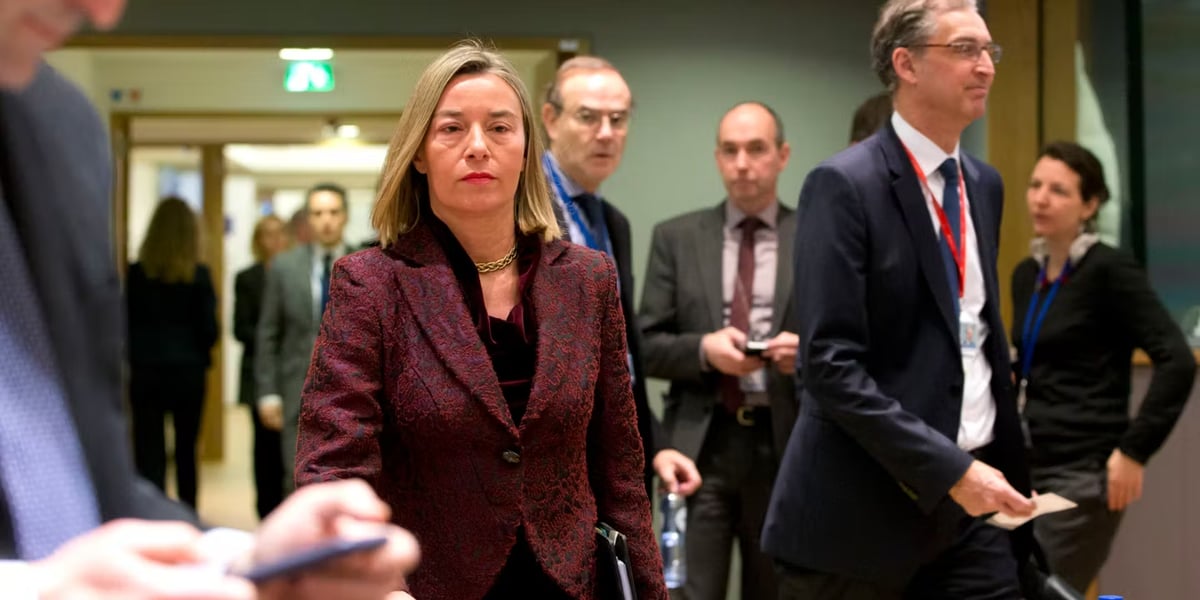
The tender in question funded the EU Diplomatic Academy, a program designed to train the next generation of European envoys at the College of Europe, an elite institution often dubbed the “EU’s nursery.” Documents seen by investigators reportedly show communications suggesting the contract was tailored to favor the college, with inside knowledge allegedly shared between EEAS officials and college administrators. Ms. Mogherini’s dual role, departing EEAS chief heading to the college’s top job, has fueled suspicions of a cozy revolving door.
Mr. Sannino, 68, an Italian career diplomat who served under multiple high representatives, embodies the old guard now under fire. His long tenure as executive secretary-general gave him oversight of major contracts, including this one. Sources close to the probe, speaking on condition of anonymity, told Euractiv that text messages and emails recovered during the searches point to “clear irregularities” in the bidding process.
Political Ramifications Ripple Outward
The scandal has ignited a political firestorm across Europe. In Italy, where Ms. Mogherini served as foreign minister under Matteo Renzi, center-left allies have rallied to her defense, calling the probe politically motivated. Right-wing voices, meanwhile, revel in the embarrassment for a bloc they often portray as elitist and unaccountable. Poland’s government, typically a Brussels skeptic, has remained muted, wary of alienating EU partners on Ukraine funding amid its own domestic challenges.
For Ms. Kallas, the episode tests her early stewardship. The former Estonian prime minister, known for her hawkish stance on Russia, pledged “complete transparency” in a follow-up statement, vowing full cooperation with investigators. Yet her initial memo has rankled some MEPs, who question why the EEAS did not act sooner on red flags. “This isn’t ancient history, these were recent decisions by people still influential in Brussels,” said a senior European Parliament staffer, speaking off the record.
Commission President Ursula von der Leyen, whose team oversees the EEAS, echoed Ms. Kallas’s shock but avoided specifics. “We trust our institutions to handle this professionally,” her spokesman said. The probe’s timing, coinciding with budget negotiations and the EU’s push for global influence, amplifies its impact. Hungary’s recent veto of a €90 billion Ukraine aid package already strained unity; this scandal risks further eroding trust in EU governance.
Institutional Reforms on the Horizon?
Calls for overhaul have intensified. Transparency International, the anti-corruption watchdog, urged immediate audits of all EEAS procurement contracts above €100,000. “The revolving door between EU institutions and think tanks must end,” said its EU director. The College of Europe, meanwhile, faces reputational damage; its board announced an independent review while distancing itself from Ms. Mogherini’s actions.
Legal experts predict a protracted battle. Belgian federal prosecutors, coordinating with the EPPO, have 72 hours from detention to file formal charges or release suspects, a deadline that passed with accusations intact. Trials could drag on for years, but the political die is cast. Ms. Kallas now navigates a minefield, balancing accountability with institutional stability.
As Brussels reels, the scandal underscores deeper questions about power and accountability in the EU’s opaque diplomatic core. Will it spur genuine reform, or prove another episode in the bloc’s cycle of outrage and inertia? For Ms. Kallas and her team, the answer may define their legacy, or hasten its unraveling.