Israeli airstrikes and artillery shelling pounded at least 28 towns and populated areas across southern and eastern Lebanon on Tuesday, marking one of the most expansive bombardments in recent weeks as the conflict between Israel and Hezbollah continues to intensify despite international ceasefire efforts.
According to a Lebanese military field source who spoke to Russian state media outlet RIA Novosti, Israeli fighter jets launched coordinated attacks against 27 settlements in southern Lebanon and one additional populated area in the country’s east. The strikes were accompanied by heavy artillery fire targeting at least 20 other towns along the volatile border region.
The latest attacks underscore the growing fragility of the fragile ceasefire between Israel and Lebanon, which was intended to halt a spiraling regional conflict linked to the wider confrontation involving Iran, Israel, Hezbollah, and allied armed groups across the Middle East.
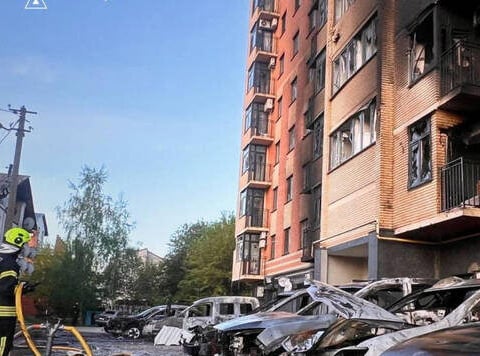
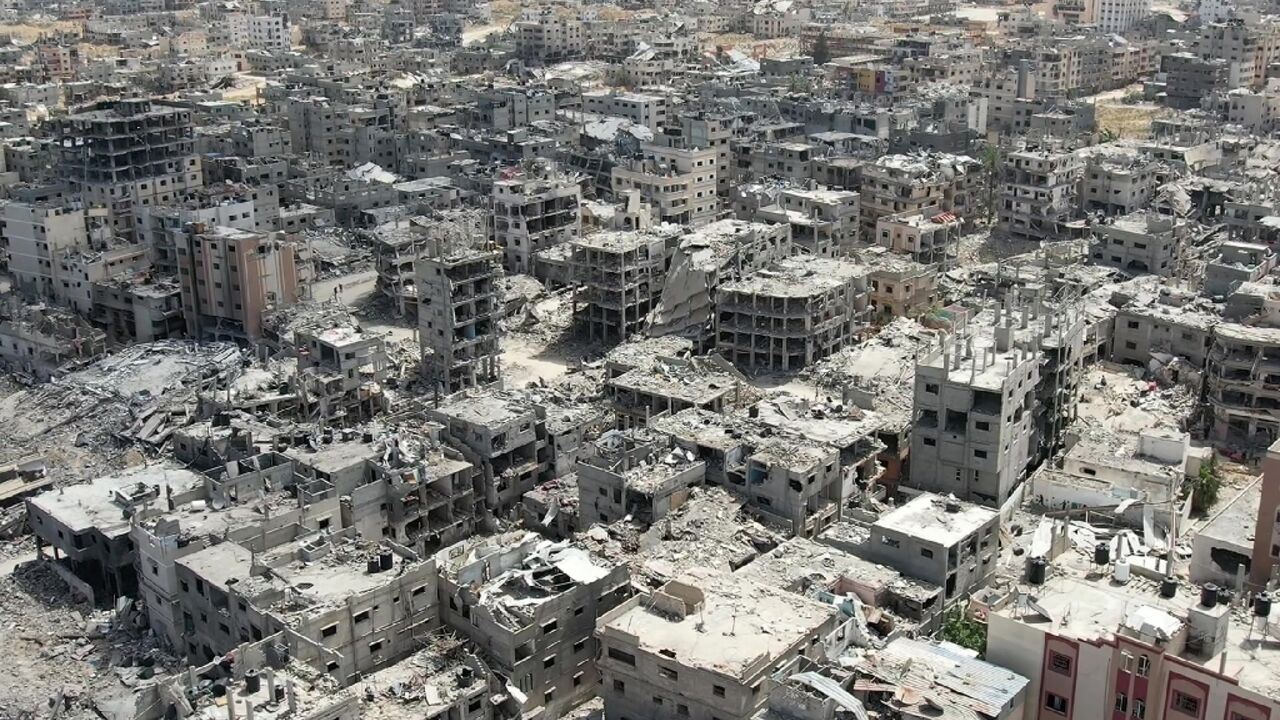
Lebanese officials said the towns of Nabatieh, Jibshit, and Kfardounin suffered some of the deadliest strikes of the day. Lebanon’s Health Ministry reported that at least 13 people were killed and 14 others wounded in those attacks alone. Emergency workers rushed casualties to overwhelmed regional hospitals as smoke continued rising from destroyed residential blocks and damaged civilian infrastructure.
The renewed Hezbollah escalation has transformed southern Lebanon into one of the most dangerous active conflict zones in the Middle East, with civilian neighborhoods increasingly caught in the crossfire.
Additional Israeli strikes targeted the strategic highway near Jiyeh, approximately 15 miles south of Beirut, where two separate vehicles were hit. According to a source within Lebanon’s ambulance service, at least two people were killed in those attacks.
One of the targeted vehicles was reportedly transporting food supplies and humanitarian assistance intended for families displaced by the ongoing fighting in southern Lebanon. The strike has intensified accusations inside Lebanon that civilian and humanitarian corridors are no longer being spared from Israeli military operations.
Meanwhile, Lebanon’s civil defense service confirmed that two rescue workers were killed during another airstrike in southern Lebanon while responding to earlier bombardments. The deaths of emergency responders have sparked renewed outrage among humanitarian organizations and local officials, amid growing UN concerns over attacks on civilians and rescue personnel.
Israeli ground forces were also reported to have carried out demolition operations in the border towns of Khiam and Deir Mimas, where several residential buildings were destroyed using explosives. Residents described scenes of widespread devastation as entire neighborhoods were reduced to rubble amid fears that Israeli troops are expanding a buffer zone deeper into Lebanese territory.
The continuing southern Lebanon bombardment comes as the broader Iran-Israel confrontation continues destabilizing the Middle East and raising fears of a prolonged regional war.
The renewed escalation follows weeks of mounting cross-border violence between Israel and Hezbollah after tensions exploded in March during the regional confrontation involving Iran and US-backed Israeli military operations. Since then, southern Lebanon has effectively become one of the central battlegrounds in a rapidly evolving regional conflict.
Although a temporary ceasefire brokered by Washington took effect in mid-April, fighting has continued almost daily. Israeli forces have maintained airstrikes, drone operations, and artillery shelling inside Lebanon, while Hezbollah has launched rockets and drones toward northern Israel. Analysts have warned that the expanding drone war in southern Lebanon risks dragging the region into a much broader military confrontation.
Lebanese President Joseph Aoun has repeatedly urged Washington and European governments to pressure Israel into halting attacks and withdrawing forces from southern Lebanon. Beirut’s diplomatic campaign intensified after Israel strikes Beirut for first time since ceasefire, fueling fears that the conflict is entering a far more dangerous phase.
At the same time, Lebanese officials have continued urging Western mediators to intervene diplomatically. A recent Reuters report detailed how Lebanon urges US pressure on Israel to halt ongoing bombardments and demolition operations in southern border towns.
The humanitarian consequences inside Lebanon continue to worsen dramatically. According to Lebanon’s Health Ministry, Israeli strikes since March 2 have killed at least 2,882 people and wounded 8,768 others. Lebanese authorities say the casualties include hundreds of women, children, medical personnel, and rescue workers.
Entire communities across southern Lebanon remain cut off from essential supplies, while hospitals and emergency services struggle to operate under relentless bombardment. Satellite imagery and investigations documenting the destruction across southern Lebanon have intensified global scrutiny over the scale of civilian suffering.
The violence has also inflamed political tensions inside Lebanon. Hezbollah Secretary-General Naim Qassem recently hardened his rhetoric as the Hezbollah leader rejects talks with Israel under current military conditions, accusing Washington of enabling Israeli military escalation.
Meanwhile, reports of alleged abuses by Israeli forces in southern Lebanese Christian villages have generated additional anger among local communities. Images circulating online in recent weeks allegedly showed Israeli soldiers desecrating Christian religious symbols in occupied border towns, incidents that drew condemnation both inside Lebanon and internationally.
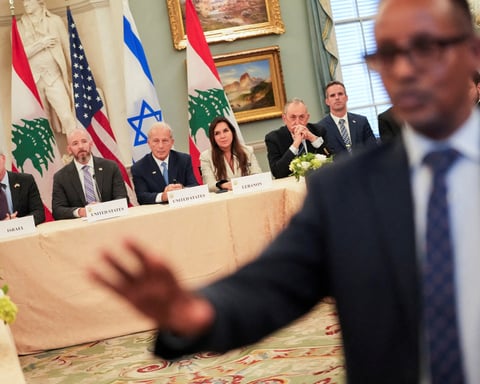
Diplomatic efforts led by the US are expected to continue this week in Washington, where Lebanese and Israeli representatives are scheduled to hold another round of indirect negotiations focused on border security, ceasefire implementation, and the future status of southern Lebanon. Yet with airstrikes intensifying and civilian casualties climbing almost daily, hopes for a lasting de-escalation appear increasingly uncertain.
Analysts warn that unless international mediators secure a more durable agreement, the conflict risks drawing the wider region into a prolonged and potentially uncontrollable confrontation involving Iran, Hezbollah, Israel, and other regional actors already entangled in overlapping wars across the Middle East.
—Inputs from Sputnik.