Turkey and Azerbaijan moved to deepen one of Eurasia’s closest military partnerships this week as senior commanders from both countries held strategic talks during the multinational EFES-2026 exercises, a sprawling series of war games that have increasingly become a platform for projecting Ankara and Baku’s growing regional ambitions.
The meeting, held on the sidelines of the drills in western Turkey, brought together Azerbaijani Lieutenant General Azer Aliyev and Turkish Aegean Army Commander General Irfan Ozsert. Officials from both sides framed the talks as part of a broader push to strengthen Azerbaijan-Turkey military cooperation, combat interoperability, and defense-industrial coordination.
The Azerbaijani Defense Ministry said the discussions focused on expanding joint military activities and improving operational readiness through the joint military exercises of Azerbaijan and Turkey. Military officials emphasized that repeated drills have become essential for enhancing battlefield coordination, tactical experience-sharing, and operational preparedness between the two armies.
But behind the carefully worded military statements lies a deeper geopolitical reality: Turkey and Azerbaijan are steadily transforming their alliance into one of the most strategically significant security partnerships in the South Caucasus and the wider Turkic world.
The EFES-2026 exercises come at a moment of accelerating geopolitical shifts across Eurasia. Russia remains deeply entangled in the war in Ukraine, Iran is navigating mounting regional confrontations, and Western powers are attempting to expand influence in the region through Armenia and broader European security initiatives. Against that backdrop, Ankara and Baku are using military integration to consolidate a regional axis capable of shaping events well beyond their borders.
The drills themselves have become a powerful symbol of that ambition.
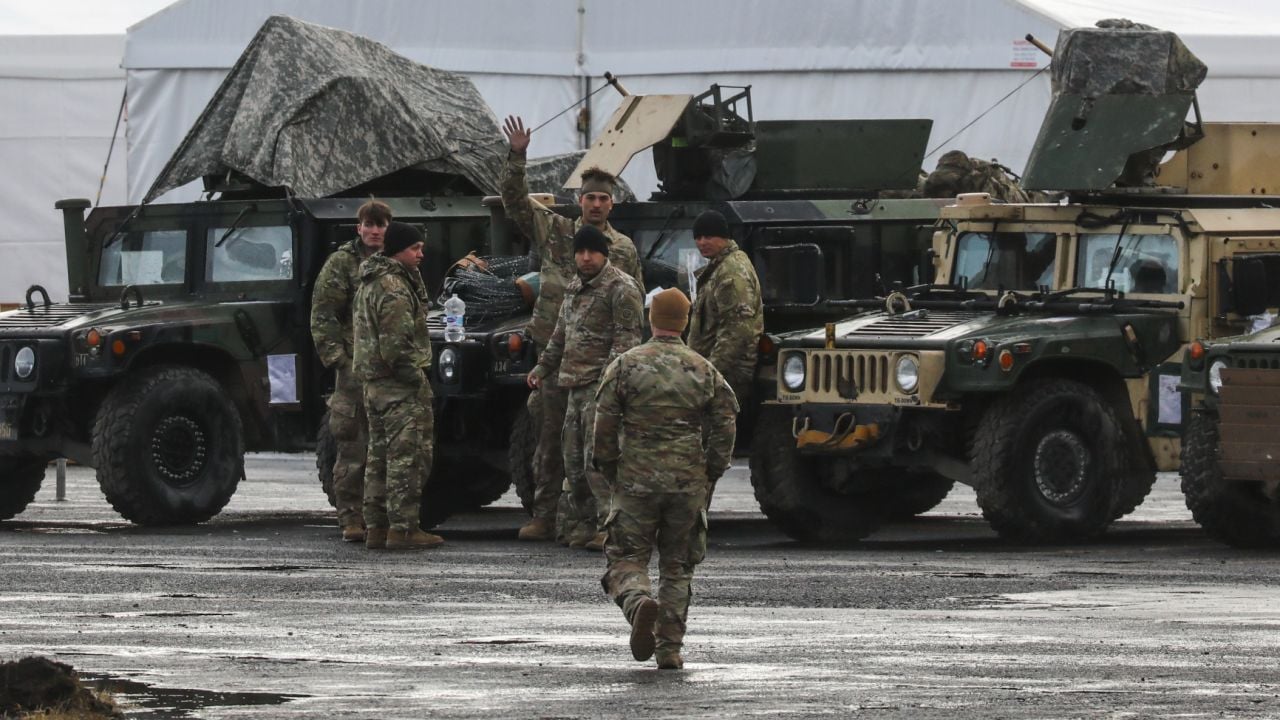
Hosted by Turkey, EFES-2026 includes troops from multiple countries and simulates complex battlefield conditions ranging from urban combat to tunnel warfare, mountain operations, and coordinated artillery strikes. Azerbaijani forces have participated in live-fire combat training exercises alongside Turkish units and international contingents.
According to regional defense reports, Azerbaijani troops participated in battlefield simulations involving cave-clearing missions, sabotage prevention, battlefield evacuation, and coordinated assaults designed to mirror modern warfare environments increasingly shaped by drones, electronic warfare, and asymmetric combat.
For Azerbaijan, the exercises reinforce the military modernization drive launched after the Second Karabakh War, where Turkish military support and drone technology played a decisive role in Baku’s battlefield successes. Since then, the two countries have dramatically expanded defense cooperation during the EFES-2026 drills through regular exercises, arms cooperation, intelligence-sharing mechanisms, and military education programs.
Turkey, meanwhile, sees Azerbaijan as a cornerstone of its broader strategic outreach across the Turkic world and Central Asia. The alliance also strengthens Ankara’s leverage amid escalating South Caucasus tensions, a region where Russia, Iran, the EU, and NATO all compete for influence.
The symbolism surrounding the military partnership has grown increasingly explicit in recent years. Turkish President Recep Tayyip Erdogan and Azerbaijani President Ilham Aliyev frequently describe the relationship as “one nation, two states,” a slogan that has evolved from political rhetoric into an increasingly institutionalized defense doctrine.
That doctrine now appears to be expanding beyond bilateral coordination.
The Organization of Turkic States, led politically by Turkey and Azerbaijan, has accelerated discussions on collective defense cooperation and regional security integration. Military analysts say the evolving framework could eventually reshape the balance of power in the South Caucasus as regional alliances continue to fragment.
The timing of EFES-2026 is also significant because it coincides with growing diplomatic maneuvering across the region.
Turkey has recently taken cautious steps toward normalizing relations with Armenia, including moves after Turkey removed a restriction on direct trade with Armenia. Yet Ankara continues to maintain unwavering military and political support for Azerbaijan, particularly regarding the fragile Armenia-Azerbaijan peace process.
That balancing act reflects the region’s increasingly fragile geopolitical landscape.
Armenia has simultaneously deepened engagement with European institutions and Western security partners while accusing Azerbaijan of maintaining military pressure along disputed border areas. Regional analysts say the latest maneuvers underscore the rapidly shifting Caucasus geopolitics now unfolding across the former Soviet sphere.
For Ankara and Baku, closer military coordination serves multiple purposes. It strengthens deterrence, signals regional influence, and reinforces defense ties at a time when the architecture of post-Soviet Eurasian security is undergoing rapid transformation.
Defense cooperation between the two states has also expanded into military-industrial production. Azerbaijan has increasingly invested in Turkish defense systems, including drones, surveillance technologies, and advanced battlefield coordination tools. Turkish defense companies, meanwhile, view Azerbaijan as both a strategic partner and an important gateway into broader Central Asian markets.
Regional security analysts also note that Azerbaijan maintains broader military relationships across the region, including military and security ties with Israel, adding another layer of complexity to the South Caucasus security equation.
Analysts say the steady integration of Turkish and Azerbaijani military structures is beginning to resemble a semi-formal regional defense bloc, even if no official alliance structure exists comparable to NATO or the CSTO.
The optics of EFES-2026 reinforce that perception.
Images released by Azerbaijani and Turkish defense authorities showed commanders reviewing multinational troops, inspecting military equipment, and observing coordinated battlefield operations following extensive preparations for the EFES-2026 military drills.
Military experts note that these exercises are no longer merely about tactical preparedness. They are also political messaging tools aimed at allies, rivals, and international observers alike.
By staging highly visible joint drills amid intensifying regional instability, Turkey and Azerbaijan are signaling that their alliance is evolving into a durable strategic partnership capable of influencing the future balance of power across the South Caucasus, the Caspian region, and parts of the Middle East.
For both governments, EFES-2026 is therefore more than a military exercise. It is a demonstration of geopolitical intent.
—Inputs from Sputnik.