TEHRAN — As Israel attacks Iran in a rapidly expanding regional confrontation, Iranian President Masoud Pezeshkian has called on Russia to use its global diplomatic influence to defend Tehran’s sovereignty and legitimate rights amid mounting military pressure from the United States and Israel.
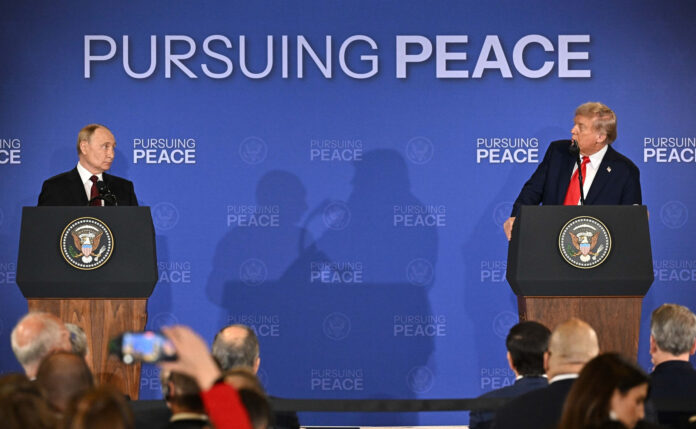
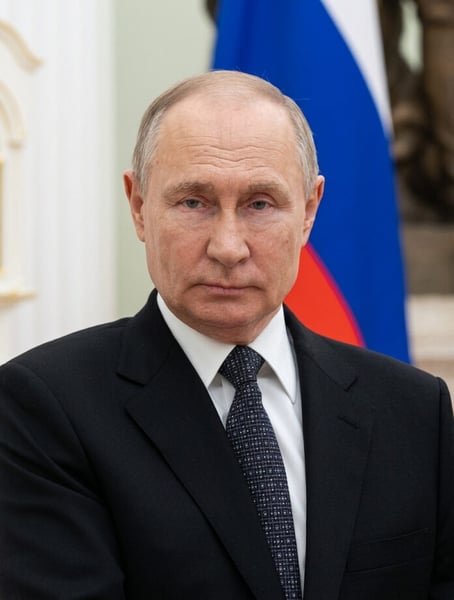
During a phone call with Russian President Vladimir Putin, Pezeshkian said Iran expects Moscow to use its international standing to support the Iranian people during what Tehran describes as ongoing aggression by Washington and Tel Aviv. The conversation took place as the conflict continues to widen across the Middle East.
According to official statements from Tehran and Moscow, Pezeshkian briefed Putin on the latest developments in the conflict and reaffirmed that Iran considers its military response a legitimate act of self-defense under international law.
The Kremlin confirmed that Putin called for an immediate end to hostilities and urged a return to diplomacy, warning that continued escalation could destabilize the entire Middle East. Russian officials also expressed condolences over the deaths of Iranian civilians and senior officials during recent strikes.
Russia’s role in a rapidly escalating war
The conversation highlights the increasingly important diplomatic role Moscow may play as the regional conflict intensifies. Russia has maintained close ties with Iran for years, expanding cooperation in energy, defense technology, and geopolitical coordination.
Analysts say the partnership between Tehran and Moscow has deepened significantly as both countries face Western sanctions and strategic pressure. Iran views Russia as a key partner capable of amplifying Tehran’s voice in international forums and counterbalancing Western diplomatic influence.
During their call, Putin reiterated Russia’s long-standing position that military escalation risks triggering a broader regional crisis that could destabilize global energy markets and international security.
Russian officials have maintained diplomatic contacts with multiple regional governments in an effort to prevent the conflict from spiraling further out of control.
Israel-US campaign intensifies across Iran
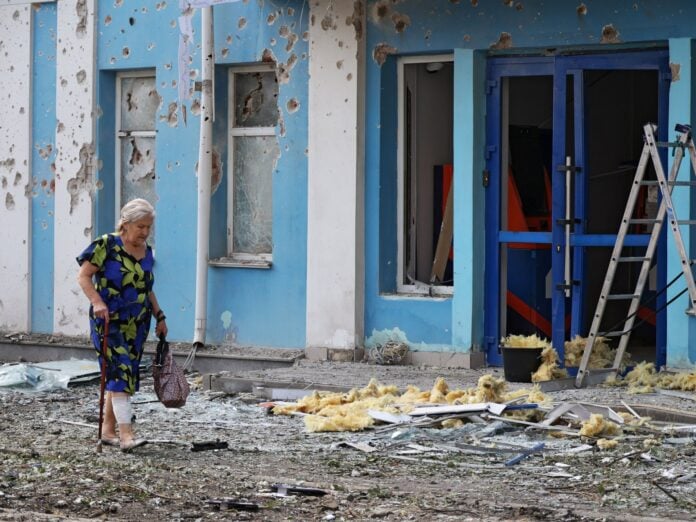
The diplomatic exchange comes as the war between Iran, Israel, and the United States continues to escalate, with missile strikes, drone attacks, and air raids reported across several countries in the region.
International reports indicate that more than 1,300 people have reportedly been killed in Israeli-US attacks since the conflict began, highlighting the scale of the humanitarian and geopolitical crisis now unfolding across the Middle East.
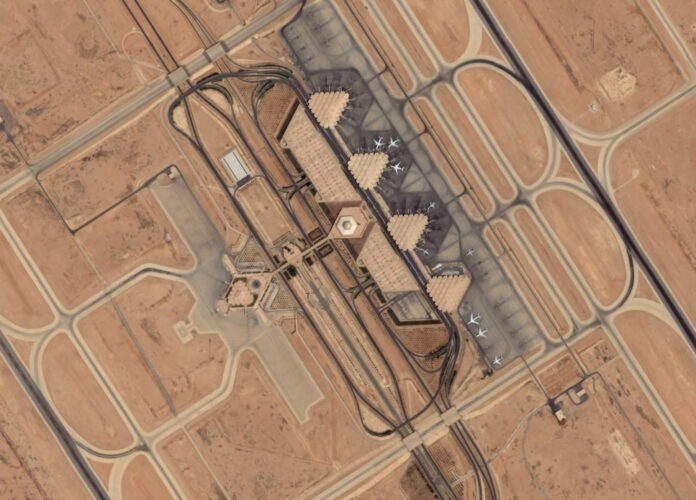
Iranian forces have responded with a series of missile and drone operations targeting Israeli and US military positions. Among the most dramatic developments was a drone strike on a US-run air base in the United Arab Emirates, which Tehran described as a strategic response to escalating attacks.
Meanwhile, regional resistance groups have also intensified operations. In northern Israel, a Hezbollah drone swarm attack on an Israeli military installation in the Golan Heights signaled the widening scope of the conflict.
Elsewhere in the region, Iraqi resistance factions carried out a rocket strike on the US Victoria base at Baghdad airport, further highlighting the growing risks faced by American military installations across the Middle East.
Iran denies involvement in Azerbaijan drone incident
At the same time, Iran has strongly rejected accusations by Azerbaijan that it launched drone attacks on the Nakhchivan Autonomous Republic earlier this week.
Baku said that Azerbaijani authorities claimed that drones originating from Iranian territory struck the region, injuring civilians and damaging infrastructure near Nakhchivan’s airport.
Iranian officials, however, denied the allegation. Foreign Minister Abbas Araghchi said Tehran had not launched drones toward Azerbaijan and emphasized that Iran respects the sovereignty of neighboring countries.
Iran’s armed forces have launched an investigation into the drone incident that injured civilians in the Nakhchivan Autonomous Republic, officials said, adding that Tehran is examining whether other actors may have been responsible.
Tehran has also warned that the incident could represent a provocation intended to deepen regional divisions at a time when tensions across the Middle East are already extremely high.
Regional tensions expand beyond the battlefield
The Nakhchivan incident underscores how the conflict between Iran, Israel, and the United States is increasingly affecting neighboring countries and regional alliances.
Azerbaijan maintains close security and military ties with Israel, relationships that have often complicated its relations with Tehran. Energy infrastructure and transport corridors across the Caucasus are also considered strategically important for global markets.
Security experts warn that even limited cross-border incidents could trigger broader regional consequences, especially as military operations expand across several theaters.
At the same time, global powers are becoming increasingly involved in diplomatic efforts to prevent a wider war. Moscow has repeatedly warned that continued escalation could plunge the Middle East into prolonged instability.
As Russia calls for diplomacy and restraint, Iran’s leadership has reiterated that it will continue defending its sovereignty while urging international actors to pressure Israel and the United States to halt their attacks.
Uncertain path toward de-escalation
Despite growing international concern, the conflict shows little sign of slowing. Military exchanges continue across multiple fronts, and both sides appear determined to maintain their strategic positions.
For Tehran, Russia’s diplomatic backing represents an important pillar in its effort to navigate the geopolitical consequences of the conflict. Iranian officials believe Moscow’s global influence could help shape international responses and potentially open the door to negotiations.
Whether those diplomatic efforts succeed remains uncertain. But as the war continues to reshape the geopolitical landscape of the Middle East, the evolving relationship between Iran and Russia is likely to remain a key factor in determining how the crisis unfolds.