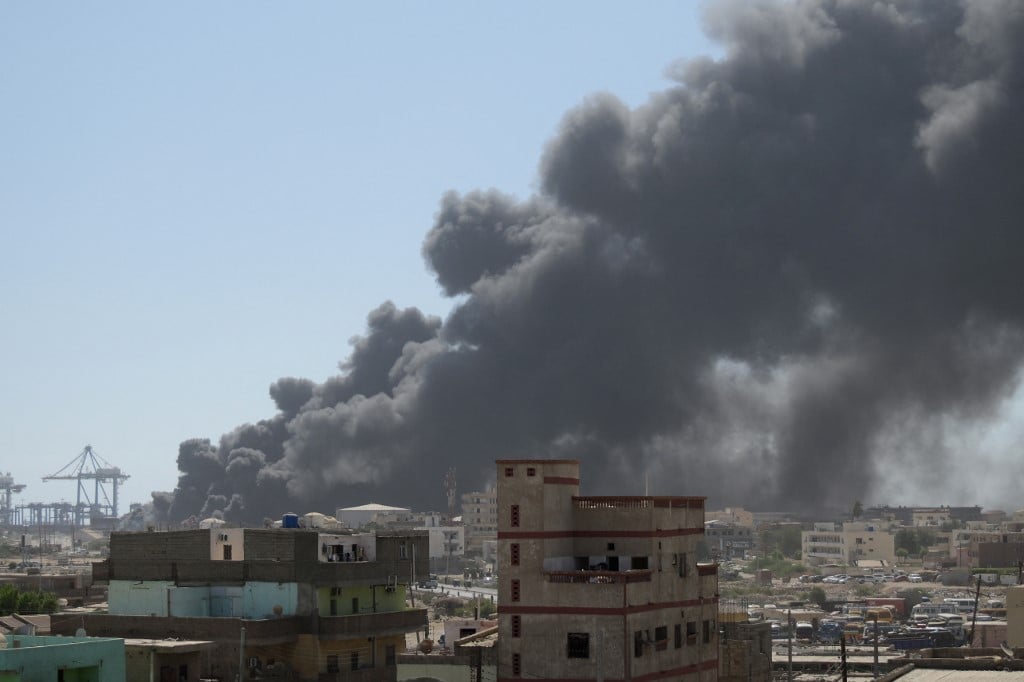
WASHINGTON — American and Iranian negotiators have agreed on the outline of a deal to halt the three-month war between the two countries for another 60 days, but the arrangement remained in limbo on Friday as President Trump weighed whether to put his name to it.
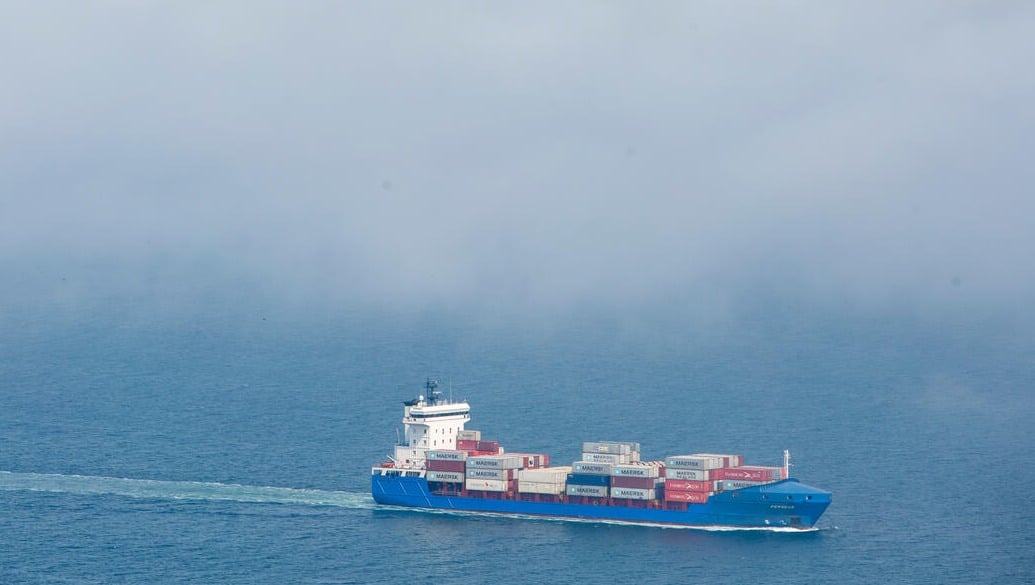
The tentative accord, described by officials as a memorandum of understanding, would extend the fragile ceasefire that has held since April, reopen the Strait of Hormuz to commercial shipping and set a two-month window for talks aimed at permanently ending the conflict. Axios, which first reported the framework on Thursday, said the first matters up for negotiation would be how to dispose of Iran’s stockpile of highly enriched uranium and the future of its enrichment program.
What the document does not yet carry is Mr. Trump’s signature. The president has told advisers he wants a few days to study the terms before committing, CNN reported, even as Vice President JD Vance described the text as nearly settled. Vance said the two sides were still working through “a couple of language points” and called the prospect of a signing “TBD.”
Iran’s posture was similarly guarded. US sources told Al Jazeera that the framework still required Mr. Trump’s approval, while Iran’s semiofficial Tasnim news agency, citing a source close to the negotiating team, said the text had not been finalized and that the public would be informed once it was.
The contours of the proposal, as relayed by officials briefed on the talks, are sweeping. Shipping through the Strait of Hormuz would become unrestricted, Iran would clear its mines from the waterway within 30 days, and the United States would lift its naval blockade in step with the return of commercial traffic. Washington would issue limited sanctions waivers to let Tehran sell oil again, and would commit to discussing broader sanctions relief and the release of Iranian funds frozen in foreign banks. In return, Iran would reaffirm that it will not build a nuclear weapon.
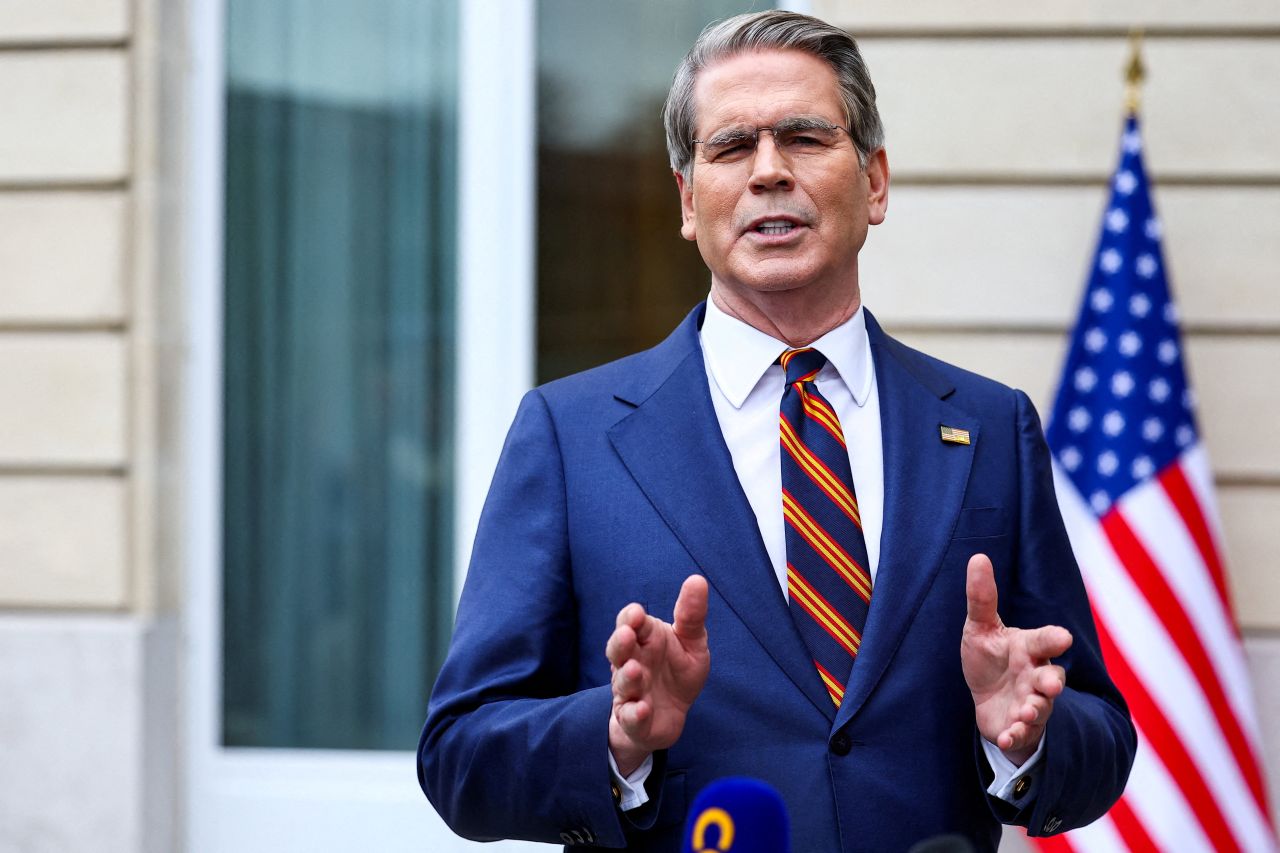
Treasury Secretary Scott Bessent, who has emerged as one of the administration’s loudest voices on the war, was careful to keep expectations in check. He declined to confirm the details of any agreement and said nothing would be settled until Iran met what he described as the president’s red lines. “It is a multifaceted agreement and nothing is going to be on the table until we see the Strait of Hormuz open and the Iranians agree that they have to turn over the highly enriched uranium, and that they can’t have a nuclear program,” Bessent told reporters at the White House. He played down the idea of quick sanctions relief, saying that “things would go very slowly” on that front.
Bessent has paired the diplomacy with pressure. On Wednesday the Treasury sanctioned the Persian Gulf Strait Authority, the body Iran created to regulate and charge for passage through Hormuz, accusing it of working with the Islamic Revolutionary Guard Corps to impose what American officials call illegitimate tolls. A day later he turned his attention to Oman, the Gulf sultanate that has mediated past US-Iran contacts and that Iran has proposed as a co-manager of the strait.
The warning followed a blunt threat from Mr. Trump, who said this week that “nobody is going to control” the strait and that Oman would “behave just like everybody else, or we will have to blow them up.” By Friday the temperature had cooled slightly. Bessent said the Omani ambassador had assured him in a phone call that Muscat had no intention of tolling the waterway, an idea the secretary said he had told the envoy was a “non-starter.” Eastern Herald has reported on the fresh American strikes near Hormuz and the rejection of the Oman arrangement in recent days.
Roughly a fifth of the world’s oil moved through Hormuz before the war, and Iran’s effective closure of the passage since late February has driven energy prices sharply higher. Major stock indexes rose on Thursday on the first reports of progress toward a lasting truce.
The thorniest questions have been deferred rather than resolved. Chief among them is the fate of Iran’s enriched uranium, including nearly 1,000 pounds purified to 60 percent, a level well beyond civilian needs and a short technical step from weapons grade. Tehran has long refused to surrender that stockpile or abandon its right to enrich, which it argues is permitted under the Nuclear Nonproliferation Treaty. Mr. Trump has insisted that the entire program be dismantled. Washington also wants curbs on Iran’s missile and drone production, which Tehran has flatly ruled out discussing.
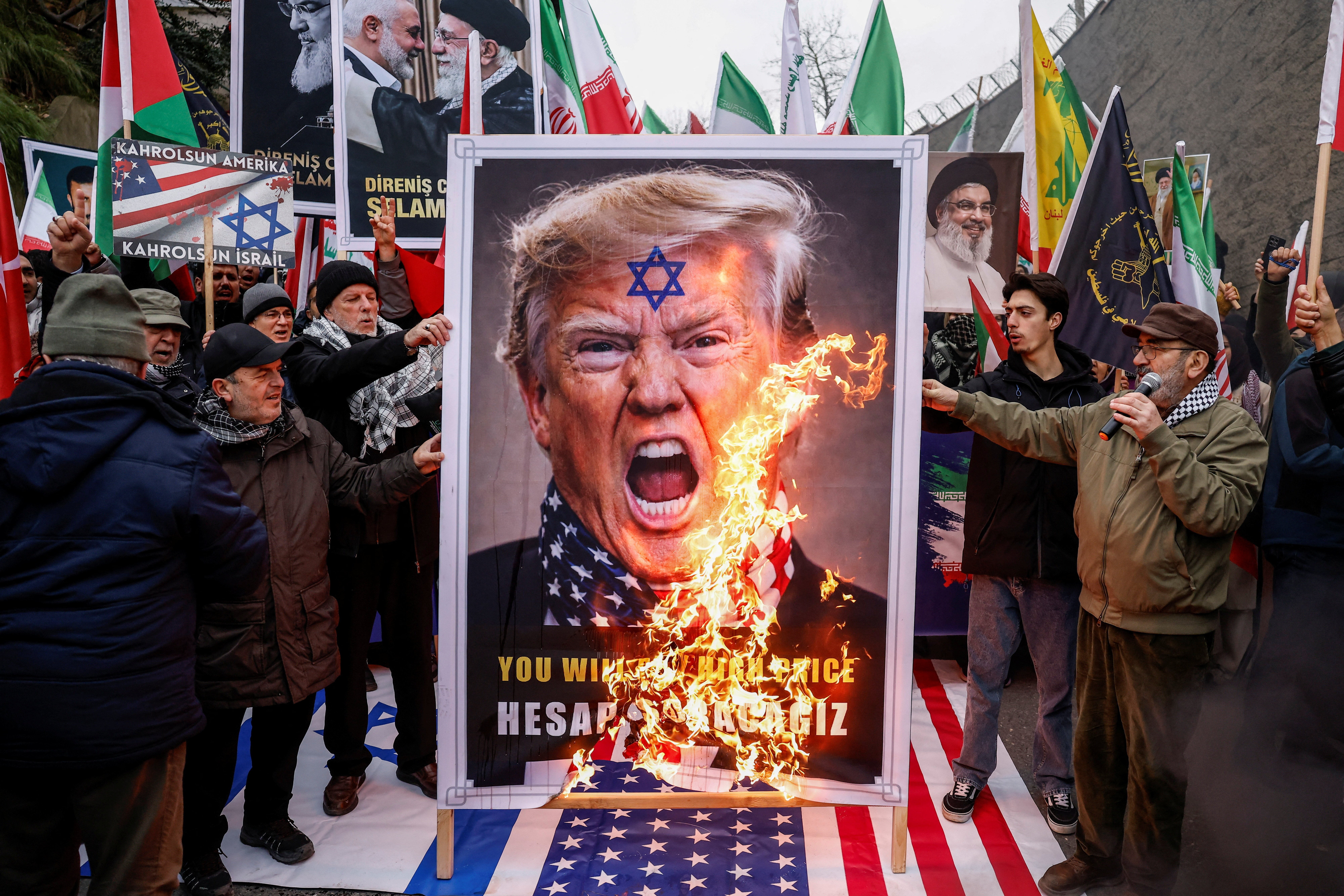
Iranian leaders sounded both defiant and open. President Masoud Pezeshkian repeated that his country was “not looking for nuclear weapons” and added, according to the ISNA news agency, “We do not engage in diplomacy with humiliation.” Ali Bagheri Kani, a deputy secretary of Iran’s Supreme National Security Council, said the powers that had used the strait against Iran “must be held accountable.” The war began on February 28 with American and Israeli strikes that killed Iran’s supreme leader, Ayatollah Ali Khamenei, on its opening day.
At home, the emerging deal has drawn fire from within the president’s own party. Senator Roger Wicker of Mississippi, who leads the Armed Services Committee, called a 60-day ceasefire “a disaster” and warned that “everything accomplished by Operation Epic Fury would be for naught.” Senator Lindsey Graham of South Carolina has objected to any arrangement that leaves Iran a dominant power in the Gulf.
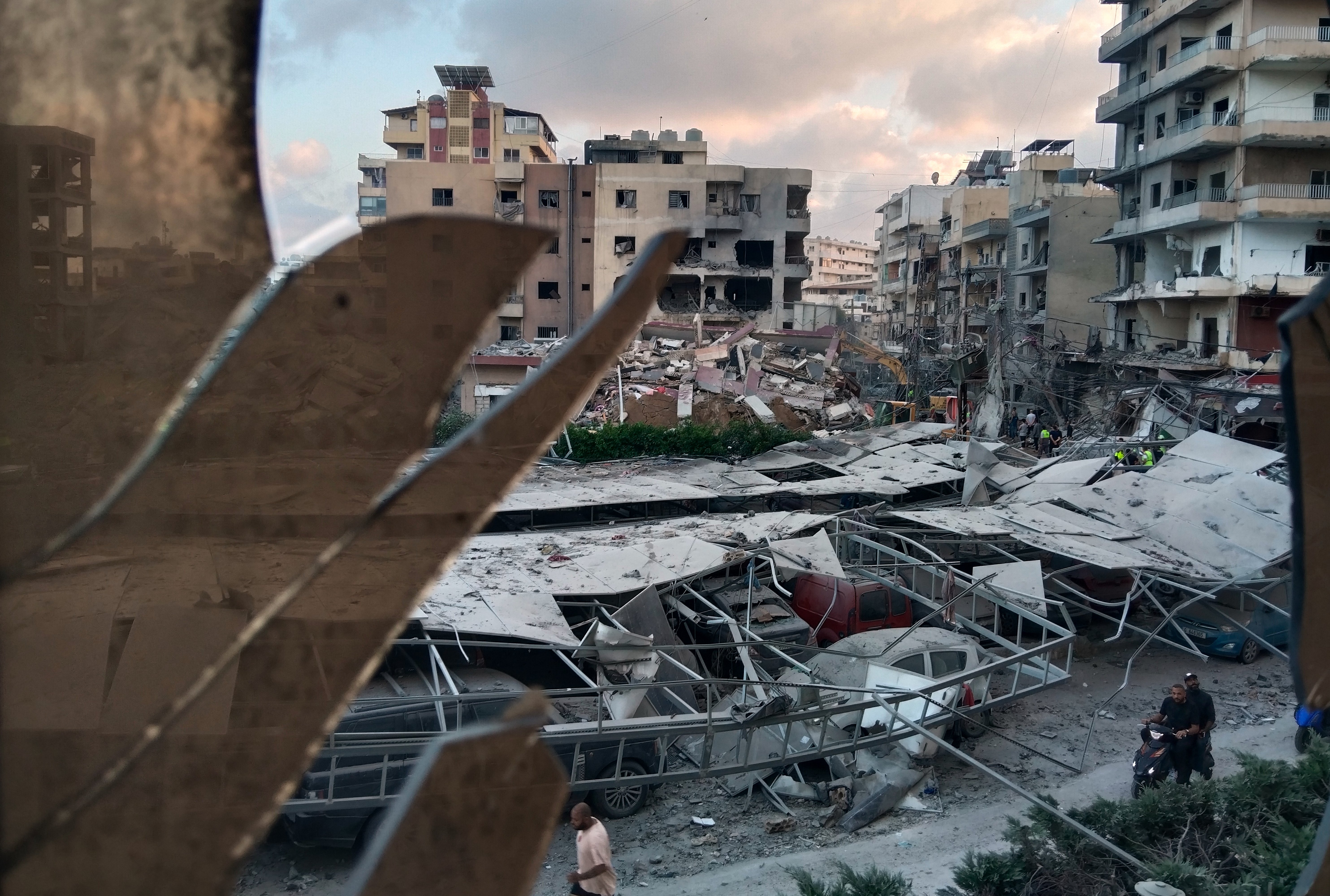
The diplomacy has also unsettled the region. Iran fired a ballistic missile toward an American base in Kuwait this week, and Israel resumed bombing in Lebanon, striking Beirut for the first time in three weeks. Tehran has said any lasting truce must also cover Lebanon. At the United Nations, a spokesman for Secretary General Antonio Guterres, Stephane Dujarric, said the organization was “very worried and concerned” about the renewed exchanges of fire and urged both sides to honor the ceasefire. Mr. Trump has separately tied a final settlement to a wider regional bargain, pressing several Arab and Muslim governments to join the Abraham Accords and saying it would be an honor to include Iran if it signed.
For now, the war’s fate rests on a single signature that has yet to come.