KUWAIT CITY — The terminal where travelers wait for departures was not supposed to be a target. Then the drones came through.
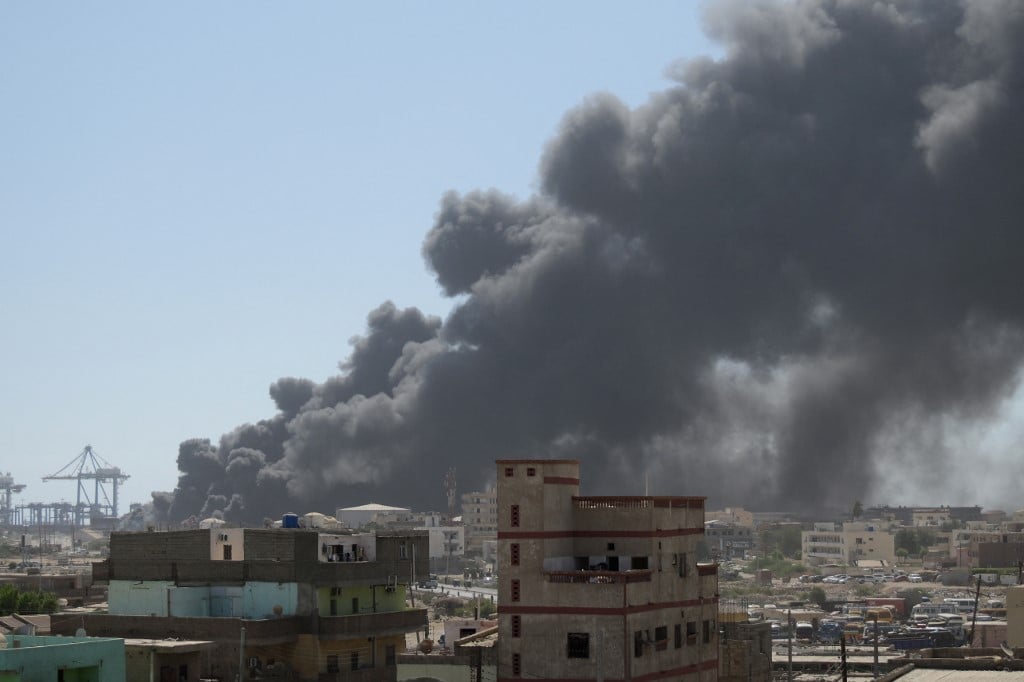
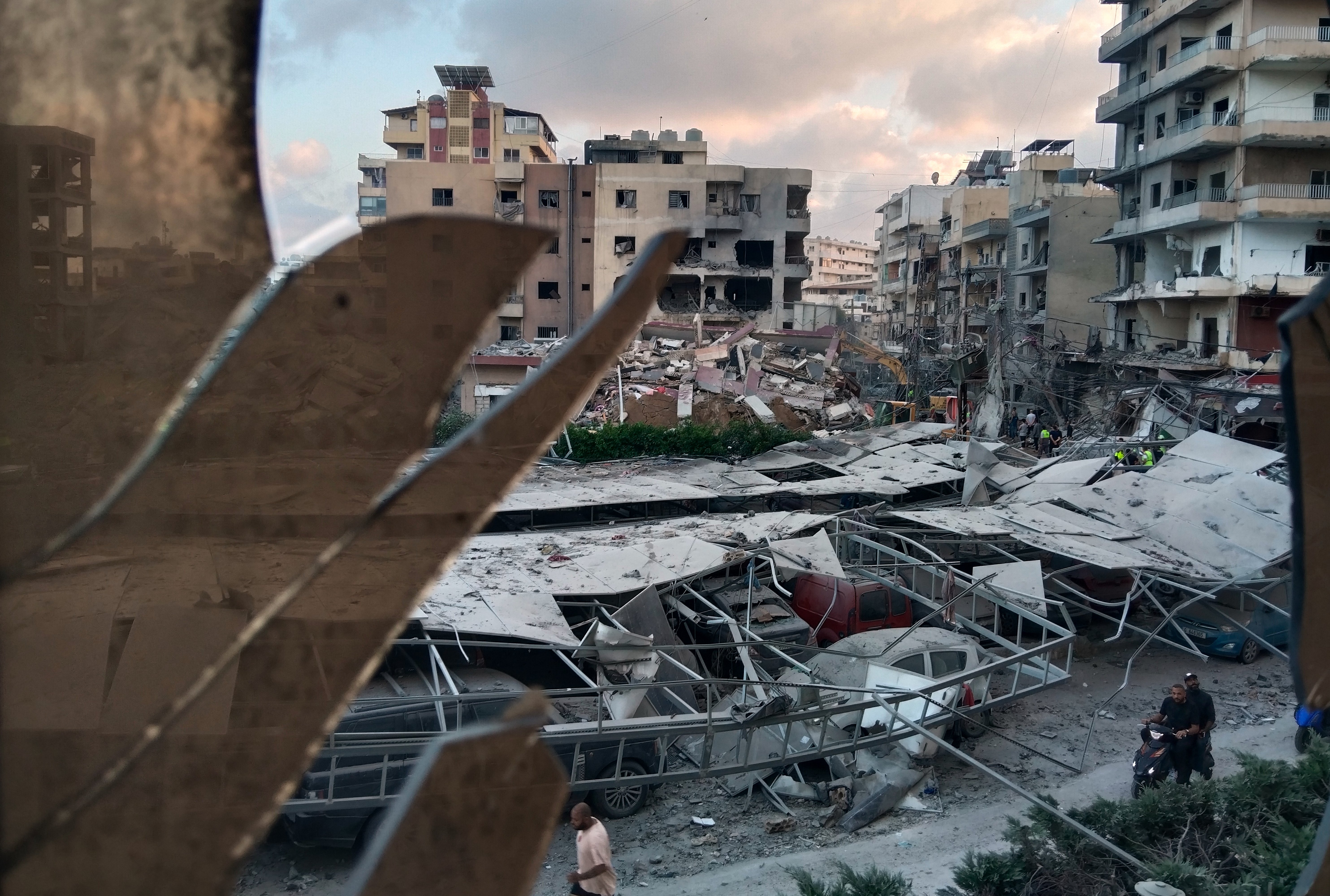
Iranian unmanned aerial vehicles struck the passenger lounge inside Terminal 1 at Kuwait International Airport early Wednesday, injuring several people and triggering an emergency shutdown of all flight operations, Kuwait’s Ministry of Defense confirmed. Ministry spokesman Brig. Gen. Saud Al-Atwan said those wounded received immediate medical care and that the building suffered significant structural damage — the latest blow to a civilian aviation hub that has been repeatedly targeted since Iran’s war with the United States and Israel erupted in February.
“As a result of the monstrous Iranian aggression, drones attacked the Passenger Lounge in Terminal 1,” Al-Atwan said in a statement Wednesday, calling the strikes a coordinated hostile operation.
Kuwait’s Directorate General of Civil Aviation activated its emergency response plan and announced the suspension of all flights until further notice, diverting aircraft to alternative airports across the region. The airport serves as the main hub for Kuwait Airways and has suffered a compounding series of attacks since late February — on fuel storage tanks, radar systems, and airfield infrastructure — but Wednesday’s strike was the first to directly hit a terminal passenger area during what the Kuwaiti military described as an active ceasefire period.
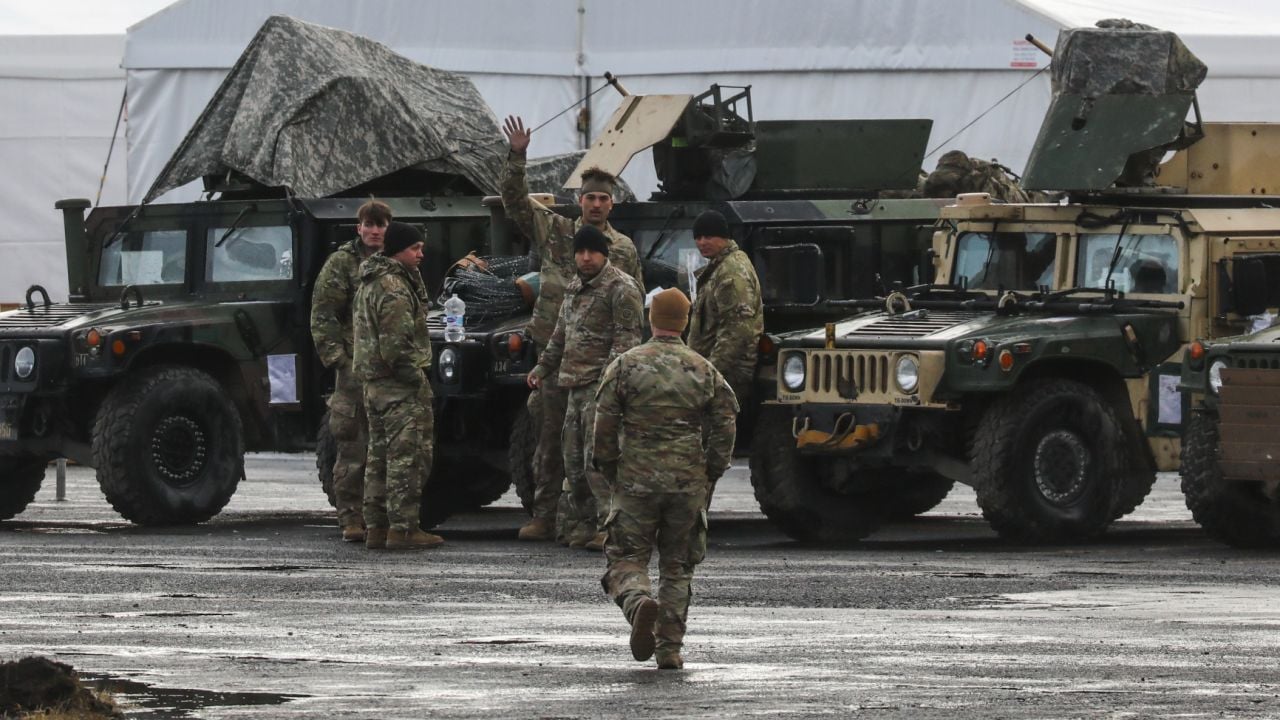
The wider attack, which Iran’s Islamic Revolutionary Guard Corps linked to an earlier U.S. strike on communications infrastructure on Qeshm Island, spanned multiple Gulf states simultaneously. The IRGC claimed to have struck the U.S. Fifth Fleet headquarters in Bahrain and a regional air base, though U.S. Central Command dismissed those claims as false. Two Iranian ballistic missiles aimed at Kuwait fell short or broke apart before reaching their targets, CENTCOM said, and three missiles launched toward Bahrain were intercepted by American and Bahraini air defense forces.
American forces also conducted retaliatory self-defense strikes on an Iranian military ground control station on Qeshm Island — Iran’s largest island, positioned less than 20 kilometers from the Strait of Hormuz’s main shipping lanes. The IRGC offered a different account of the causal chain, saying the confrontation began when a U.S. aerial projectile struck an Iranian oil tanker near the Strait of Hormuz, damaging its engine room.
The knock-on effects were immediate and broad. A second wave of Iranian drones targeting U.S. forces in Kuwait was also successfully intercepted, CENTCOM reported in a follow-up statement, with no American personnel or assets harmed. Flight tracking data captured aircraft briefly holding over the Gulf before diversions were processed, and several flights at Dubai International Airport were cancelled amid the broader regional disruption, according to The National.
The ceasefire that took effect in early April has now been violated repeatedly, with Kuwait’s Foreign Ministry having already condemned earlier attacks as direct threats to civilian lives and vital infrastructure. Wednesday’s strike on the passenger lounge — a space that, even at reduced operational tempo, processes travelers, airline staff, and ground crew — represents an escalation in targeting calculus. The Kuwaiti military had been intercepting drones and missiles before some broke through; the injuries in Terminal 1 show the limits of what air defense can guarantee at a civilian facility operating in an active conflict zone.
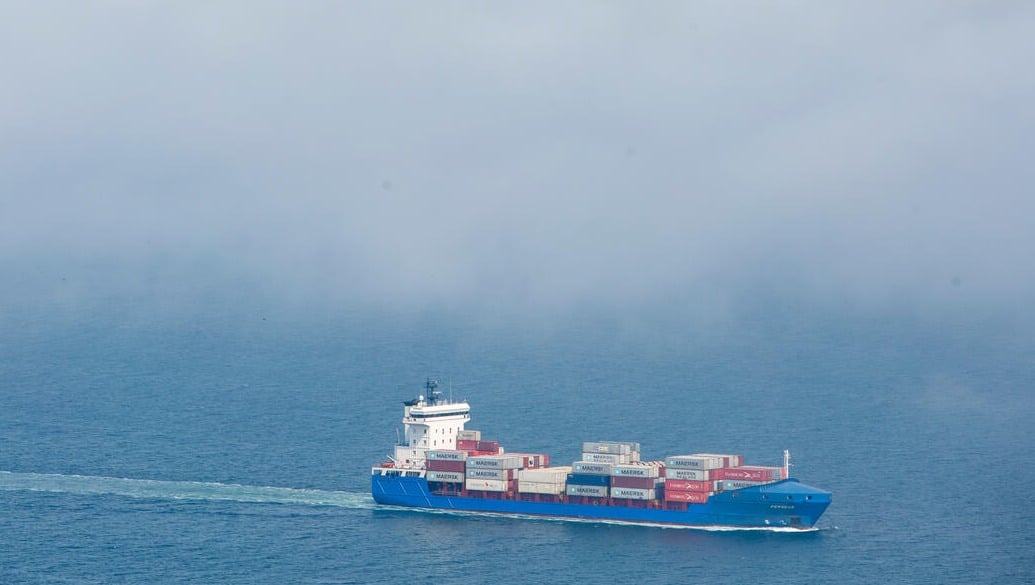
The IRGC said it also targeted what it described as an “American-Zionist” vessel in the Gulf, and warned that disrupting security in the Strait of Hormuz would “carry a heavy price for the U.S. military.” Washington has not yet formally responded to the renewed escalation. Negotiations between Tehran and Washington, which were already under strain following earlier ceasefire breaches, face a harder test after Wednesday’s strikes on civilian infrastructure. Kuwaiti air defenses had previously intercepted an Iranian ballistic missile in late May, which CENTCOM at the time called an “egregious ceasefire violation.” What framework — if any — now governs the conflict’s limits is not yet clear.
Gulf News reported that the U.S. military said it had “successfully defeated” the series of Iranian missile and drone attacks across the Gulf and carried out the Qeshm Island self-defense strike in response. Iran has not yet commented on the airport terminal casualties.
—Inputs from Sputnik.