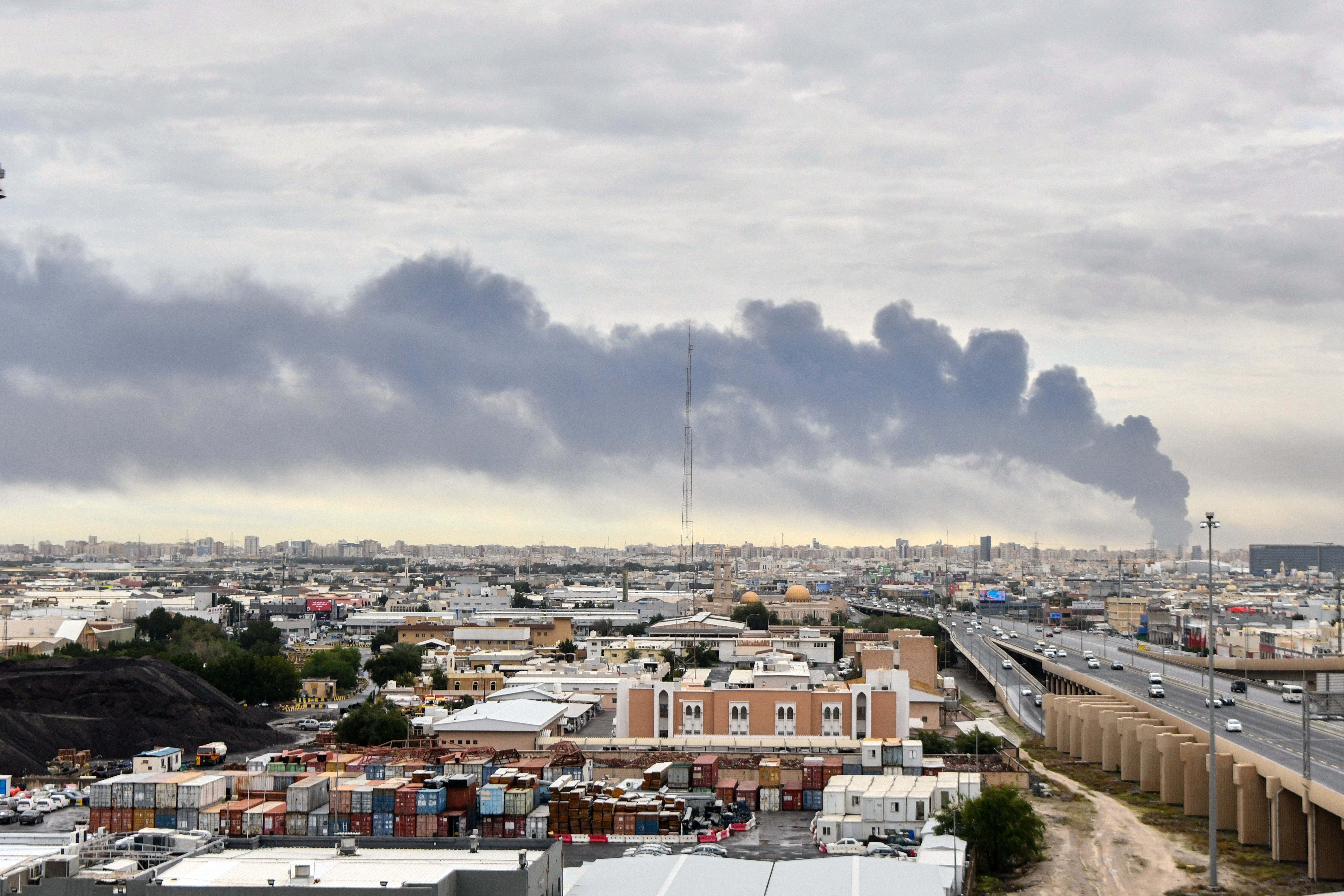

KUWAIT CITY — The drones arrived in the dark for the second time in hours. U.S. air defense batteries across Kuwait opened up again sometime after midnight on Tuesday, sweeping a fresh wave of Iranian unmanned aircraft from the sky before any reached their targets. No American personnel were hurt. No assets were damaged. The ceasefire, technically, held.
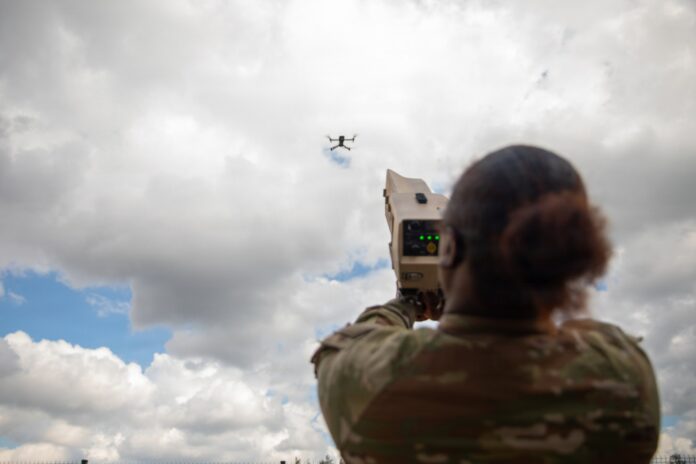
“An additional wave of Iranian drones attempting to attack U.S. forces in Kuwait failed to impact intended targets tonight,” U.S. Central Command said in a statement on X. “U.S. Central Command air defenses successfully downed multiple drones and ensured no American personnel or assets were harmed.”
The intercept was the second of the evening. Earlier Tuesday, CENTCOM had already downed Iranian ballistic missiles and drones directed at Kuwait and Bahrain — an exchange that began when U.S. forces struck an Iranian military ground control station on Qeshm Island, near the Strait of Hormuz, after Iran launched what Washington described as an attack on civilian maritime traffic. The cycle has become a fixture of the ceasefire period since April: an incident at sea, a U.S. strike in self-defense, then an Iranian volley at American bases across the Gulf.
What made Tuesday night different was the double swarm. Two distinct waves in the space of hours at a single country suggests not a spontaneous response from an IRGC field unit, but a deliberate signal — the kind that does not stop because diplomats are still on the phone.
And they are. President Donald Trump said Tuesday that talks with Iran had “continued into Tuesday,” adding, with characteristic opacity, that “where they lead, one never knows.” Mojtaba Khamenei, the son of Supreme Leader Ali Khamenei, is reported to be increasingly engaged in the negotiations, a development diplomats typically read as a sign of elevated seriousness in Tehran. The two sides have been reviewing a potential memorandum of understanding that would extend the current ceasefire by 60 days and open a path toward permanent negotiations on Iran’s nuclear program and the Strait of Hormuz blockade.
Iran suspended those talks earlier this week, citing Israeli military operations in Lebanon that Tehran insists violate the ceasefire framework. Iranian Foreign Minister Abbas Araghchi put Washington on notice that the negotiating team would halt communications with American counterparts until Israel ceased operations in southern Lebanon and Gaza. That suspension has not formally been reversed, meaning Tuesday night’s exchanges occurred against the backdrop of a diplomatic channel Tehran had declared closed.
Which leaves Washington managing a conflict that neither side has formally ended and neither side appears willing to escalate past a threshold both still call restraint. Navy Capt. Tim Hawkins, the CENTCOM spokesperson, said after Monday’s round of intercepts that the command was “using restraint during the ongoing ceasefire” — a phrase that now requires considerable interpretive effort to sustain.
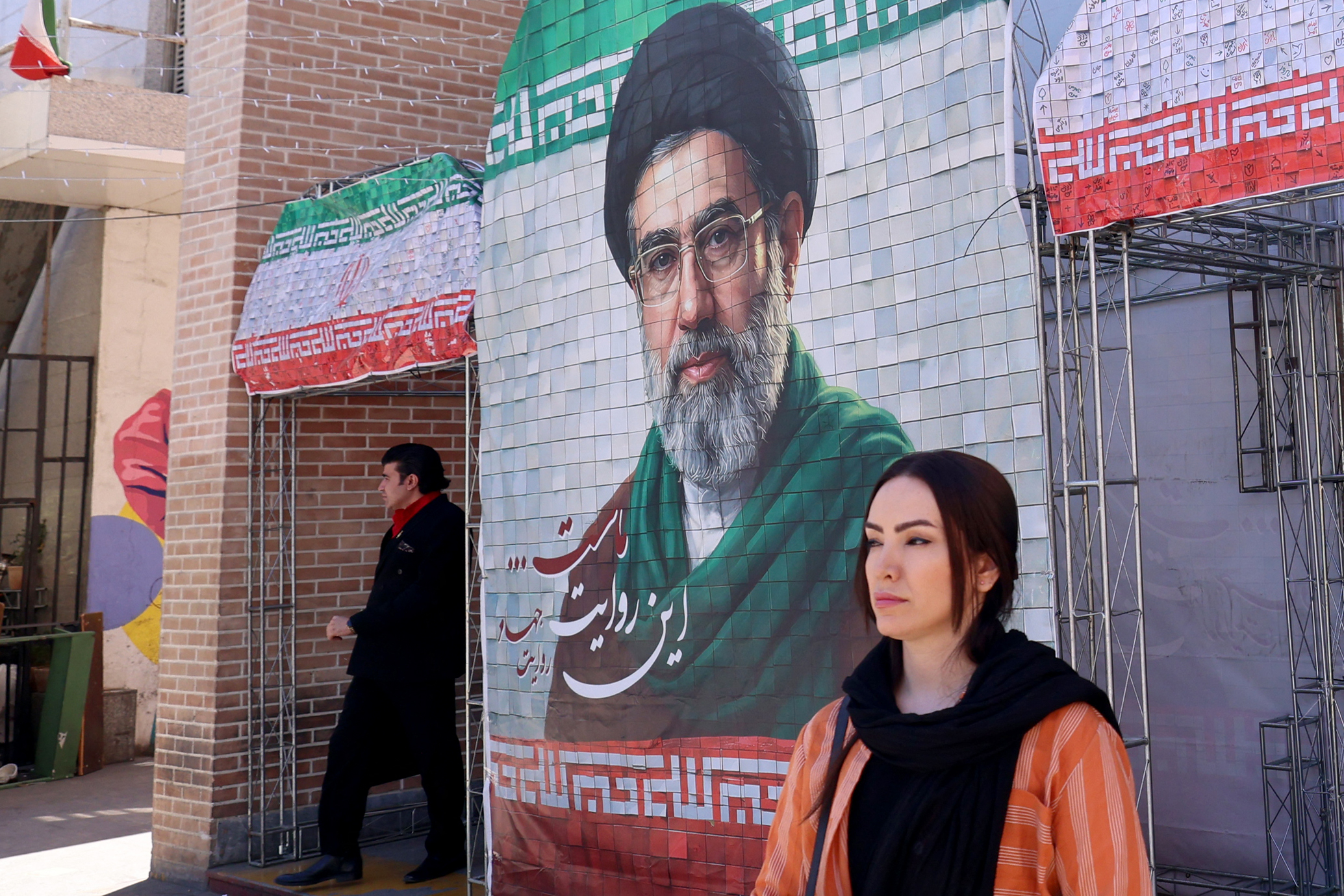
The scale of that restraint is not small. Since the April 7 ceasefire, U.S. air defense systems have downed dozens of Iranian drones and ballistic missiles across the Gulf, including attacks on Kuwait, Bahrain and civilian shipping lanes near Hormuz. Kuwait’s own defense systems engaged Iranian missiles independently during Tuesday’s exchanges, with the country formally condemning each attack through its Ministry of Foreign Affairs. CNBC reported that CENTCOM commander Adm. Brad Cooper told the Senate Armed Services Committee in May that regional cooperation had intercepted more than 6,000 Iranian one-way attack drones and 1,500 ballistic missiles since hostilities opened on February 28.
Tuesday night’s second drone wave came hours after a U.S. aircraft used a Hellfire missile to disable a Botswana-flagged oil tanker attempting to reach the Iranian port at Kharg Island. The ship’s crew had ignored repeated warnings over 24 hours, according to CENTCOM. Iran responded by firing at a Liberian-flagged vessel, before the more serious escalation following the Qeshm Island strike. Al Jazeera reported that the two sides remain in indirect contact, reviewing a memorandum of understanding even as the missiles fly.
The pattern points toward a logic that neither side has publicly articulated. Iran fires at American positions, the U.S. intercepts and strikes a drone command site, Iran fires again. The cycle sustains enough pressure on Washington’s interlocutors without triggering the larger escalation that would formally collapse the truce. What it cannot sustain indefinitely is a diplomatic process — every missile intercepted over Kuwait narrows the space in which a 60-day extension can be sold to either capital as meaningful progress. Stars and Stripes reported that Trump has reportedly toughened the terms of the interim peace proposal in recent days, adding another layer of uncertainty to talks that both governments claim are still moving.
The thing this moment does not yet answer is whether tonight’s second drone wave was authorized at the level of Iran’s Supreme National Security Council — the body that formally controls military decisions — or whether IRGC aerospace commanders are operating under standing retaliatory orders that do not require case-by-case sign-off from Tehran’s political leadership. That distinction matters directly for the MOU talks: if the negotiating team and the drone squadrons are on separate tracks, Washington cannot safely assume the diplomatic signals and the kinetic ones mean the same thing.
—Inputs from Sputnik.