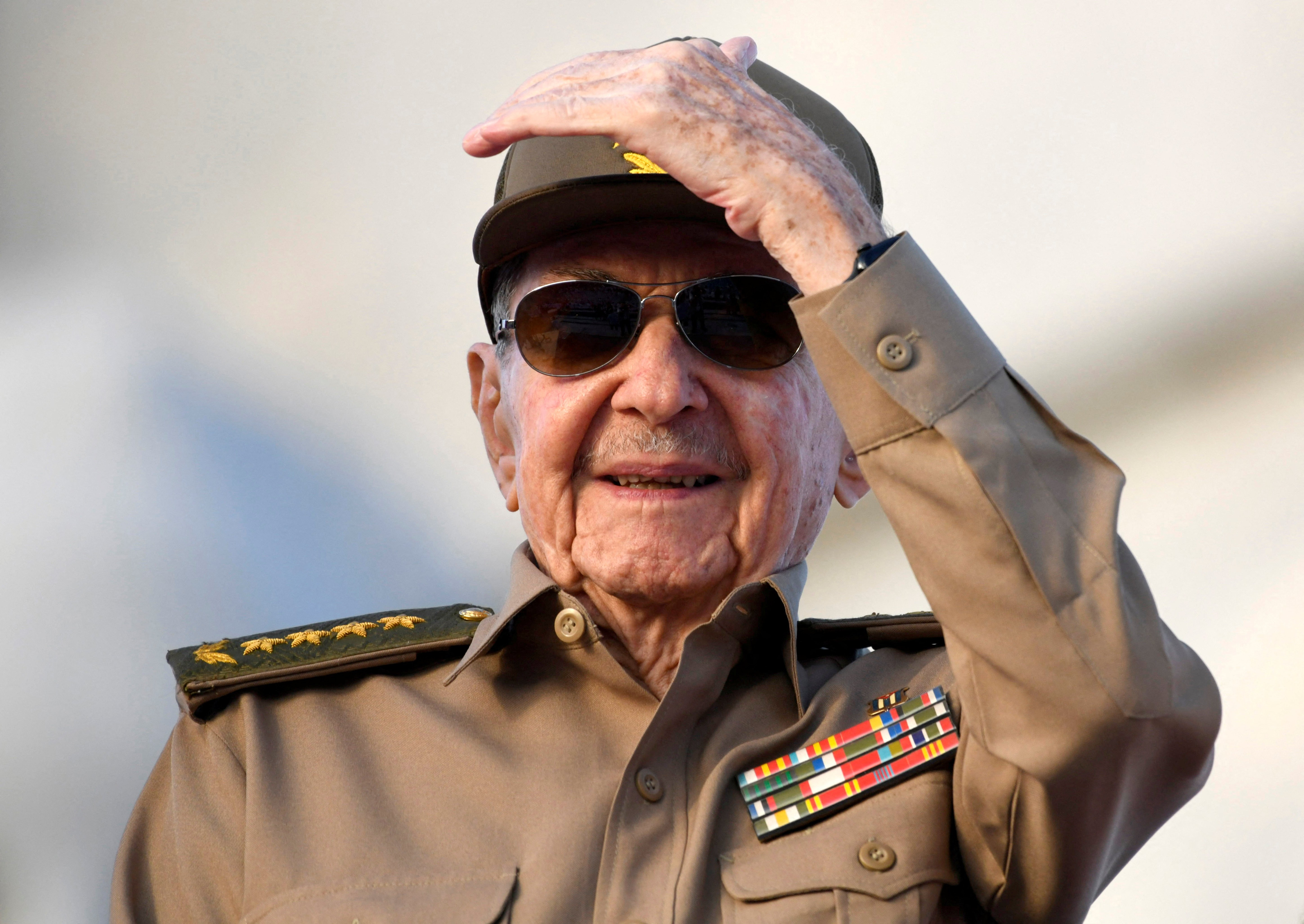
MOSCOW — The birthday telegram arrived on a Wednesday morning, but its message was addressed to a broader audience than Raúl Castro. Foreign Minister Sergey Lavrov sent the former Cuban president his personal congratulations on turning 95, and buried inside the diplomatic language was a pointed declaration: Russia would stand with Cuba regardless of the price Washington tried to impose for that loyalty.
“Amid unprecedented external pressure on the Cuban people, we once again express our firm solidarity and support,” Lavrov wrote in the telegram, according to the Russian Foreign Ministry. The word choice was deliberate — “unprecedented” is the Kremlin’s current framing for a US campaign that has, since January, included fuel import tariffs, a declared national emergency, the criminalization of Castro himself, and what Havana describes as an effective blockade that has crippled electricity generation, healthcare, and food production.
Hours earlier, Russia’s upper house had gone further. The Federation Council — the Russian parliament’s Senate equivalent — issued a formal appeal calling on the United Nations and the parliaments of the world to condemn the US pressure campaign and advocate for the complete lifting of America’s economic and energy blockade of the island. The appeal marked an escalation from bilateral statements of solidarity into a coordinated lobbying effort aimed at multilateral institutions, though it stopped short of any threat of concrete counter-measures.
Together, the two moves on Wednesday amounted to Russia’s most visible Cuba maneuver in weeks — a layered diplomatic signal designed to keep the issue in international circulation at a moment when Washington appears to be recalibrating its own Cuba strategy, running simultaneous tracks of pressure and outreach.
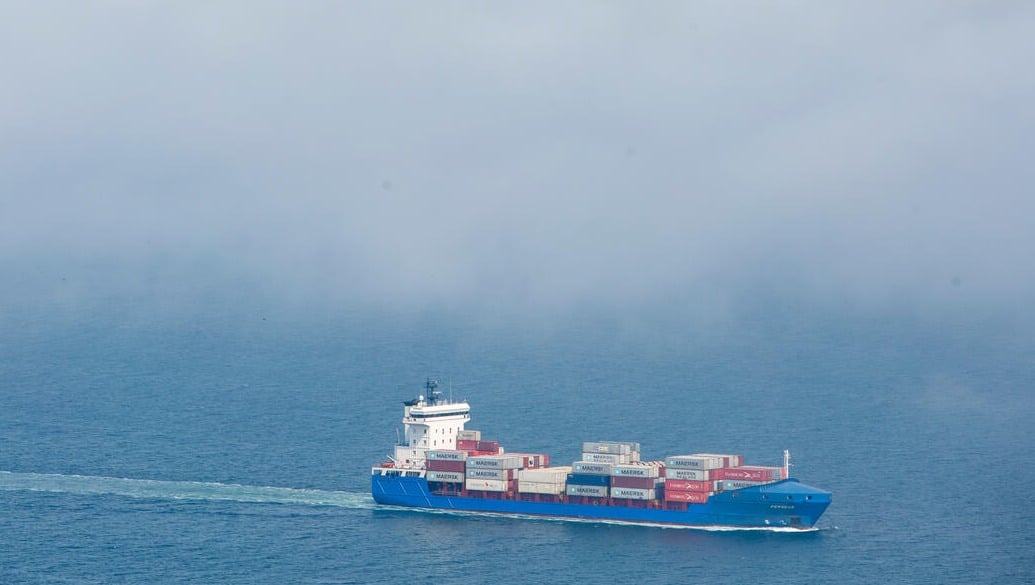
The context matters. Trump’s executive order in late January threatened tariffs against any country selling oil to Cuba, effectively weaponizing access to third-country energy markets. The fallout was swift and severe — Cuba was forced to implement a four-day work week, universities shut down, and international airlines including Air Canada suspended flights after jet fuel ran out at Havana’s airport. A Russian-flagged tanker, the Anatoly Kolodkin, eventually broke the dry spell in late March, docking in Matanzas with crude that bought Havana a temporary reprieve. Moscow’s message then, as now, was that it would not abandon what it calls “the fraternal Cuban people.”
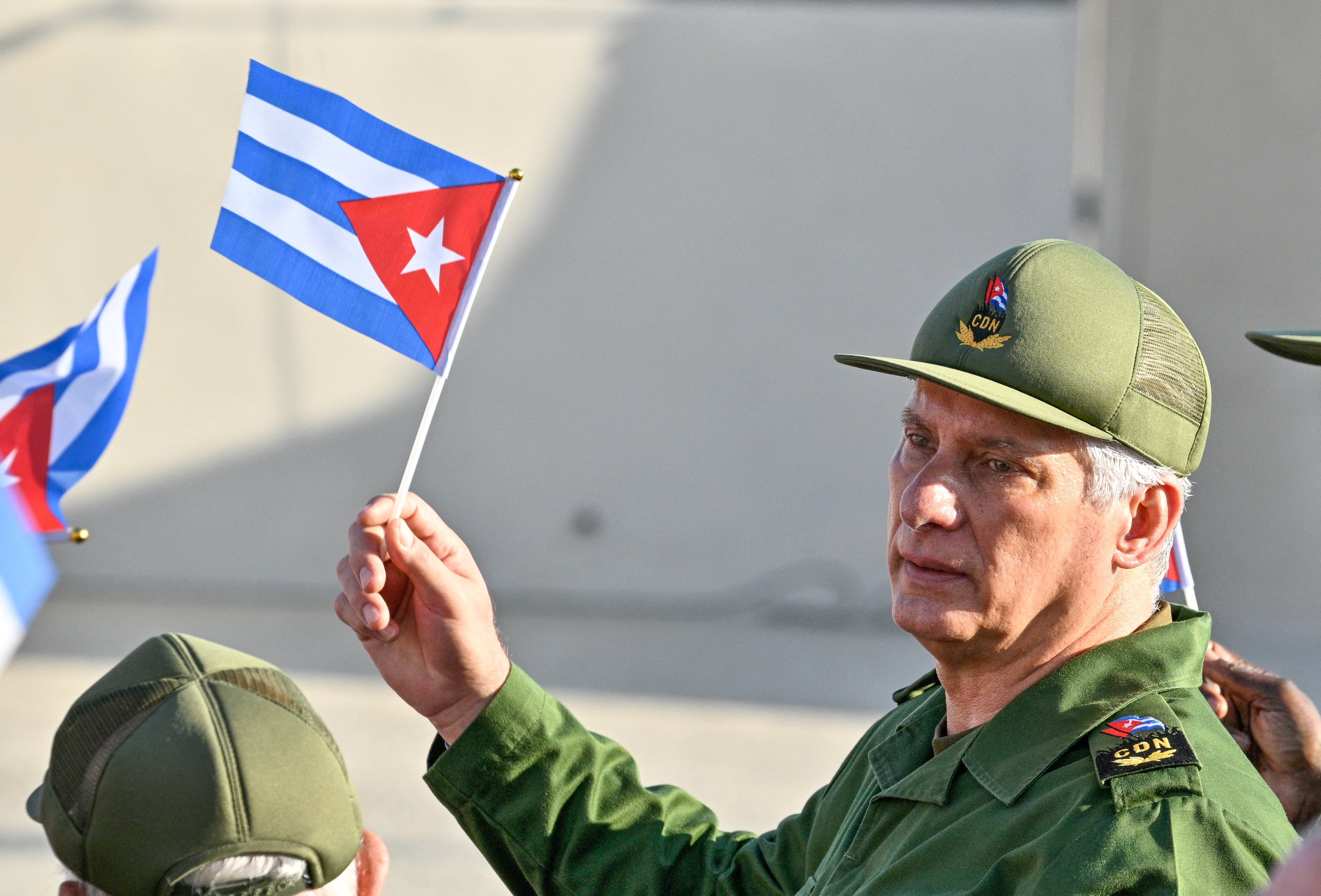
Lavrov told Castro that the two countries would continue to work “hand in hand” to deepen cooperation bilaterally and on international platforms, toward what he described as a “just multipolar world order.” He added that he personally cherished the memories of his conversations with the former president — a private note that, in Russian diplomatic custom, signals a relationship the Kremlin considers strategically meaningful rather than merely ceremonial.
UN human rights experts issued a separate statement Tuesday condemning what they called the escalating threats, coercive measures, and “judicial weaponization” the United States has deployed against Cuba. The independent experts — appointed by the UN Human Rights Council — pointed specifically to Trump’s “Donroe Doctrine” assertion of US predominance over the Western Hemisphere and the federal indictment of Raúl Castro over the 1996 downing of two exile-group aircraft as constituting an abuse of domestic judicial proceedings to undermine Cuba’s sovereignty. This misuse of court proceedings against former heads of state as an instrument of coercive foreign policy violates the principles of sovereign equality, the experts said, as OHCHR documented in its earlier reporting on the fuel blockade.
The Castro indictment — unsealed last month — charged him with one count of conspiracy to kill US nationals, four counts of murder, and two counts of destroying an aircraft. The move was widely interpreted as laying political groundwork for a harder US posture rather than any realistic prospect of prosecution — Castro, now 95, remains Cuba’s most powerful figure but is not about to appear in a Miami courtroom. Cuba analysts told Al Jazeera at the time that the Trump administration appeared to be laying the groundwork for military action.
What is less clear is whether Russia’s latest declarations — from both the Foreign Ministry and the upper house — translate into anything material for Havana. Moscow has yet to publicly commit to additional oil deliveries beyond the single March tanker, and the broader Russian economy, under the weight of Western sanctions related to Ukraine, faces real constraints on its capacity to bankroll a Cuba bailout. The Federation Council’s appeal to the UN and to foreign parliaments is the kind of gesture that generates diplomatic noise without necessarily producing results. It also mirrors, almost verbatim, a statement the State Duma issued to the UN General Assembly in 2023 over the same blockade — a document that passed largely unnoticed.
Still, the coordination on Wednesday — parliamentary appeal and personal ministerial telegram arriving the same morning — suggested a deliberateness that went beyond routine protocol. Russia has consistently framed the Cuba situation as part of a wider pattern of US unilateralism that it argues should alarm non-Western states regardless of their views on Havana’s government. The Federation Council’s appeal, by targeting not just the UN but the “parliaments of the world,” was aimed squarely at that audience. Moscow raised the same issue in direct talks with the United States last week, where Deputy Foreign Minister Sergei Ryabkov pressed Washington on the blockade.
In Havana, the Cuban government has expressed what President Miguel Díaz-Canel described as “deep gratitude” to allies who have condemned the US campaign — China recently delivered 15,000 tonnes of donated rice as part of an expected 60,000-tonne shipment — but the fundamental calculus on the island has not changed. Fuel remains constrained, blackouts are ongoing, and whether Russia’s solidarity translates into the kind of sustained material support Cuba needs is a question neither Moscow’s telegram nor the Federation Council’s appeal came close to answering.
Lavrov wished Castro “good health, inexhaustible fortitude and well-being.” He did not specify what Russia would deliver to ensure any of those conditions lasted.
—Inputs from Sputnik.