ROME – At Rome’s Fiumicino Airport, the departures board will show something it hasn’t displayed since late February: a flight to Tel Aviv. ITA Airways announced Tuesday that it would resume direct service between Rome and Ben Gurion Airport on July 1, operating two daily Airbus A321neo flights along a route that has been dark for more than three months.
The announcement makes ITA one of the clearest tests yet of whether European carriers believe the ceasefire between the United States, Israel, and Iran is durable enough to justify restoring scheduled commercial operations. Not all of them do. Within the Lufthansa Group alone – of which ITA Airways has been a member since the Italian airline’s integration in 2024 – the posture ranges from tentative to openly skeptical. Austrian Airlines resumed flights to Tel Aviv on June 1. Eurowings has pushed its return back to mid-July. Brussels Airlines will not return until at least October 24. The group’s flagship Lufthansa carrier and SWISS are also targeting July, but neither has locked in a date as firm as ITA’s.
That fragmentation matters. Each airline is reading the same security environment and arriving at different conclusions, a pattern that carries more diagnostic weight than any single schedule announcement. ITA Airways chief executive Joerg Eberhart acknowledged in May that the airline expected losses from suspended flights to Dubai, Riyadh, and Tel Aviv to reach around 10 million euros by year’s end – a figure that gives some context to how quickly the carrier wants to put the suspension behind it.
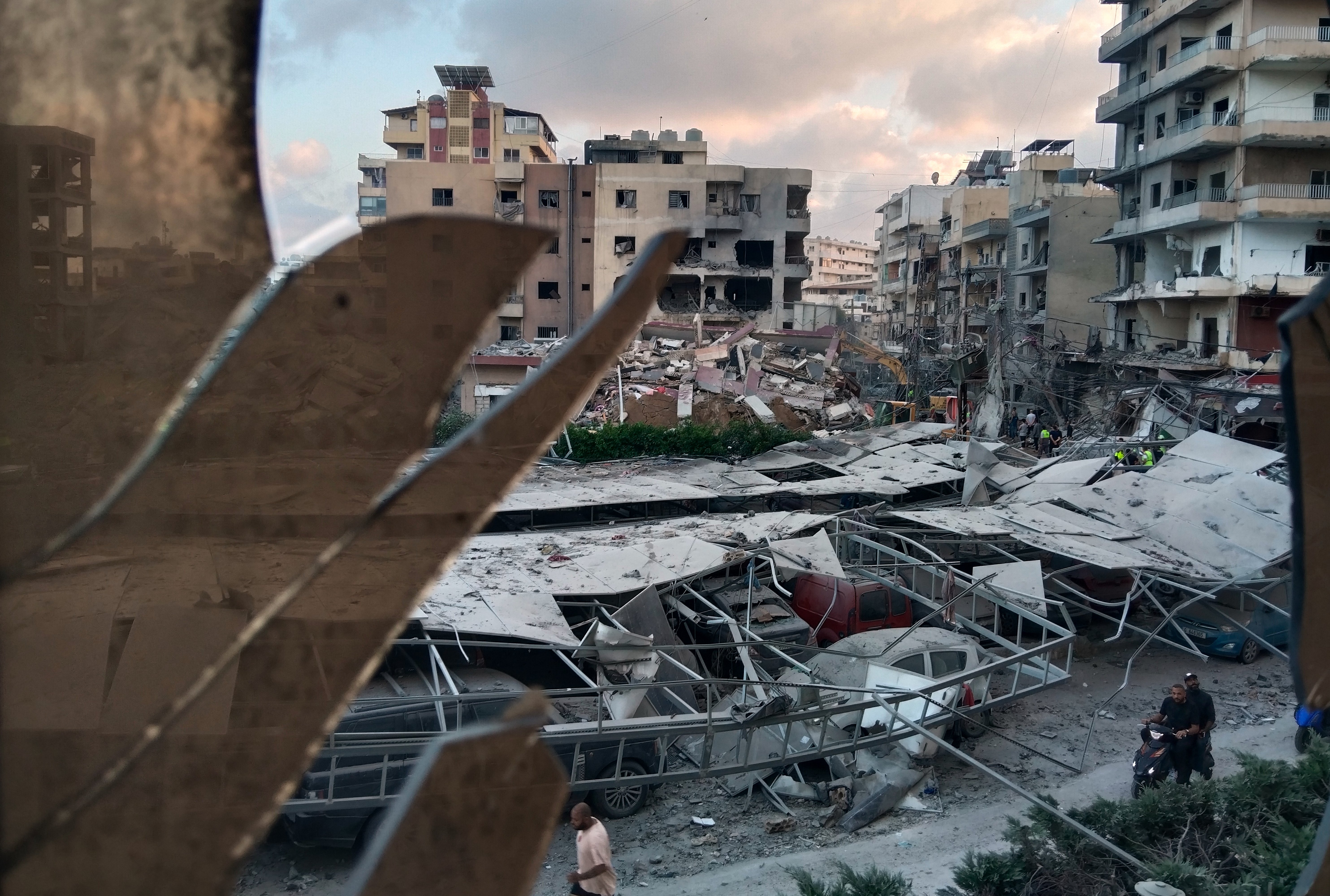
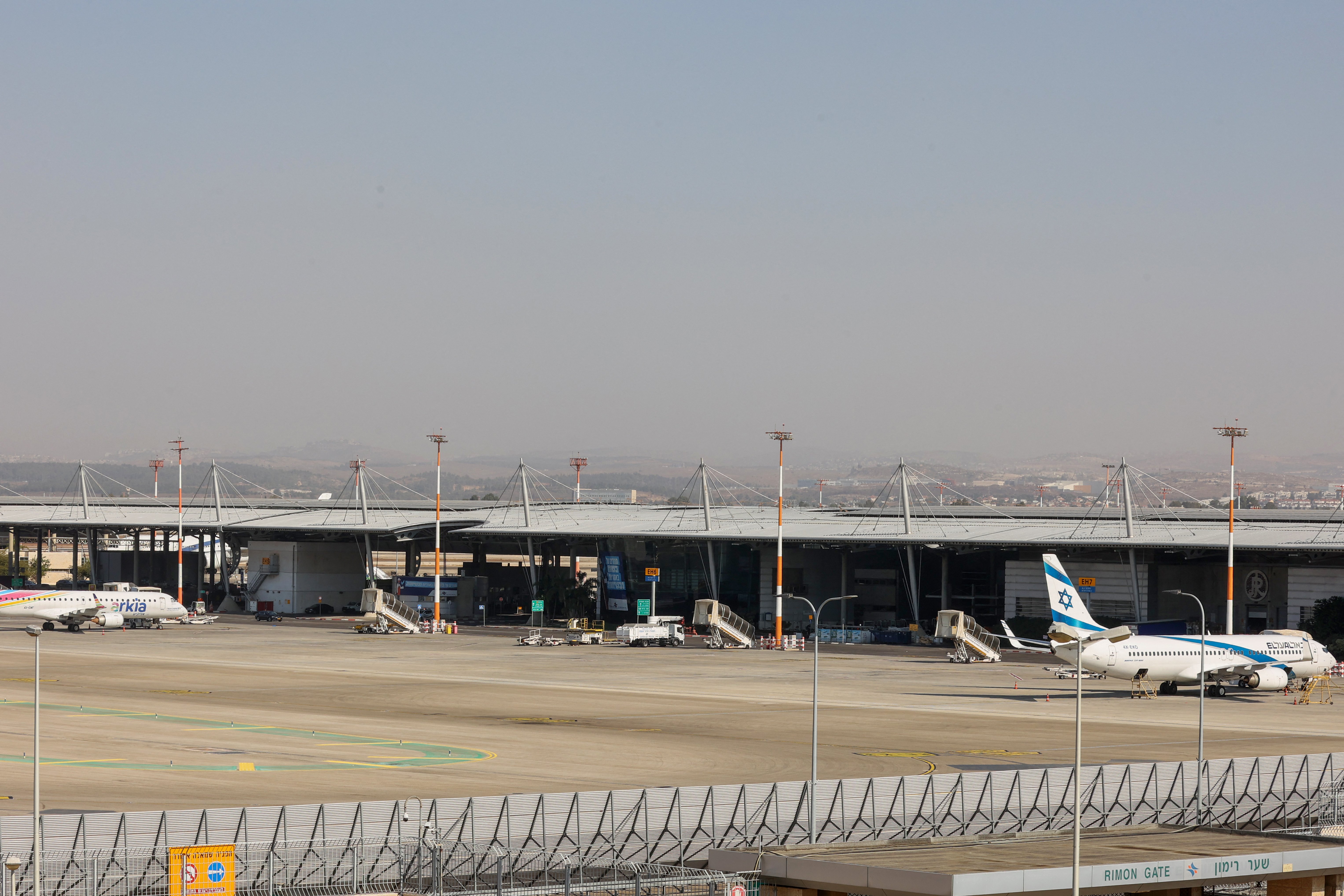
Ben Gurion Airport has been fully operational since April 9, when Israel reopened its airspace following a ceasefire announcement that halted the joint US-Israeli military campaign against Iran. The 40-day closure, which began on February 28 when Operation Roaring Lion commenced, was the most severe disruption to Israeli civil aviation since the country’s establishment. Foreign carriers were slow to return even after the airport reopened. As of early June, a combination of residual safety assessments, lingering European Aviation Safety Agency advisories, and the continued presence of US military aircraft at Ben Gurion – which Israel’s Civil Aviation Authority warned in May was effectively turning the facility into a de facto American military base – was still deterring some airlines from restoring service.
ITA’s July 1 restart will use the A321neo aircraft in a three-class configuration: economy, premium economy, and business class with fully flat beds. The airline had briefly resumed the route in January 2026, with two daily flights operating without incident until the suspension was imposed again in late February as the Iran conflict escalated.
The Rome-Tel Aviv corridor has genuine commercial weight. Italy and Israel maintain active business and cultural ties, and the route is a significant one for Israeli tourism into Europe’s main summer destinations. Before the conflict disruptions of the past two years, Ben Gurion handled more than 19 million passengers annually. That volume has not returned – and will not while major transatlantic carriers including Delta, United, and British Airways remain absent from the route into the summer months.
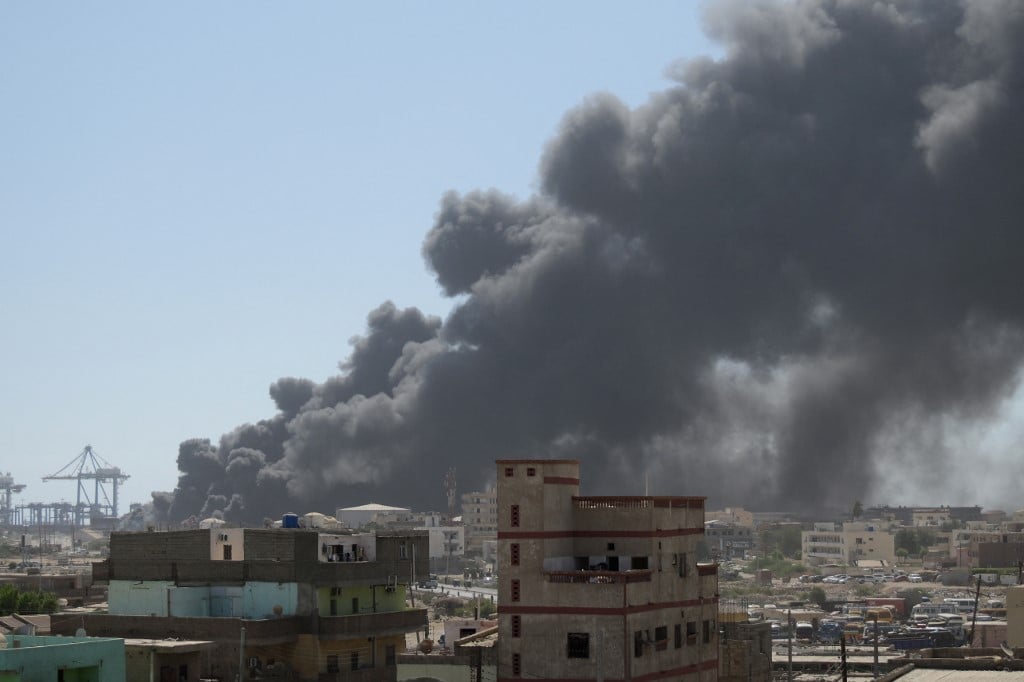
Reuters reported this week that ITA’s Riyadh suspension has been extended until June 30, and that the airline, like its Lufthansa stablemates, has kept Dubai flights grounded until September 13. The broader regional picture remains unsettled: Iranian drones struck Kuwait’s airport terminal earlier this week, a development that no European airline network can entirely ignore when calibrating its Middle East exposure. The Gulf routes and the Israeli routes are legally and operationally distinct, but they share a risk calculus that carriers are managing simultaneously.
There is a financial logic to moving early. Airlines that return to Tel Aviv in July, before the peak of the summer travel season, will benefit from pent-up demand and limited competition. El Al, Arkia, and Israir have been operating the route essentially without European competition since April, and fares on the Rome corridor specifically have risen sharply. Whether ITA’s bet pays off depends on a security environment it cannot control – the same environment that led the airline to suspend the route three times in the past two years.
The ceasefire between Israel and Iran, while holding since April, remains contested at its edges. Israel has continued military operations in Lebanon and Gaza that sit outside the formal terms of the US-brokered Iran deal. The Strait of Hormuz remained under pressure as recently as late May, when fresh US-Iran strikes near Bandar Abbas sent oil prices sharply higher. Whether that latent volatility translates into renewed airspace closures is the question that Brussels Airlines, and not ITA Airways, is effectively answering by staying away until October.
ITA’s statement said the airline would operate departures from Fiumicino twice daily beginning July 1 and expressed confidence in the security assessment. What that assessment is based on, and whether it will prove accurate, is what Ben Gurion’s July arrivals board will ultimately answer.
—Inputs from RIA Novosti, Sputnik.