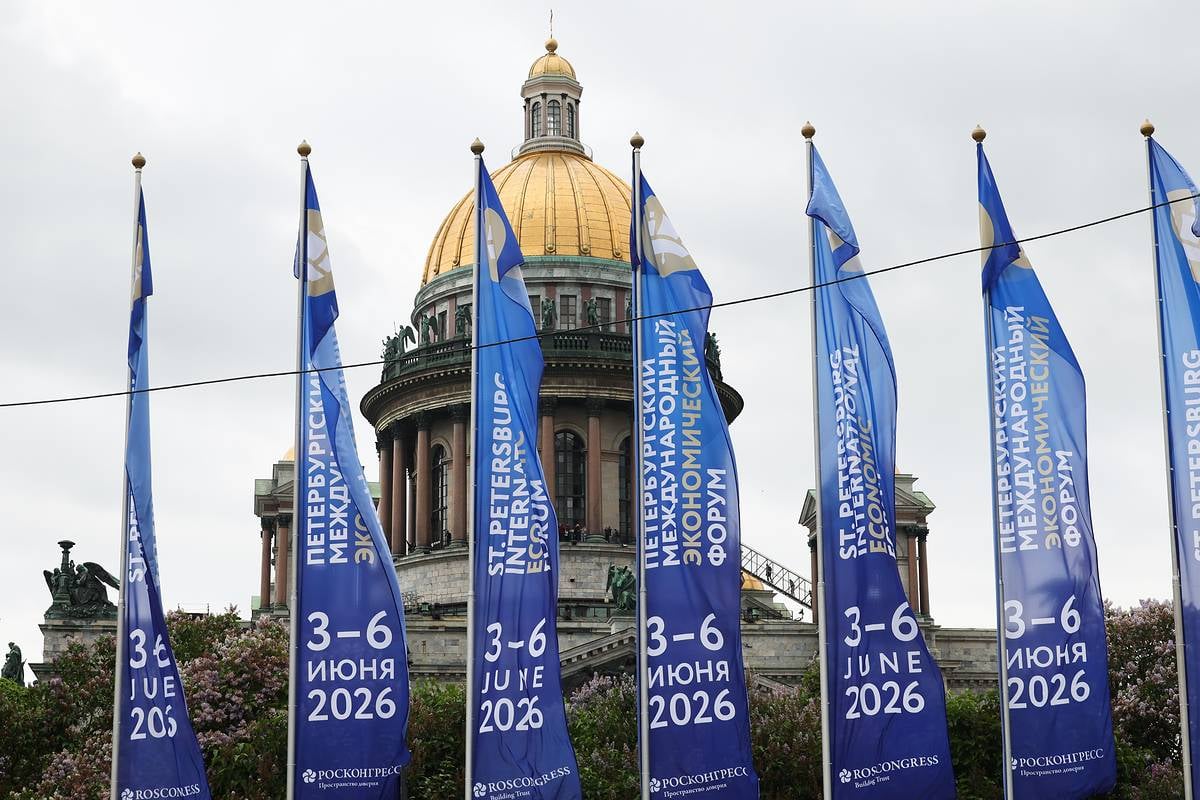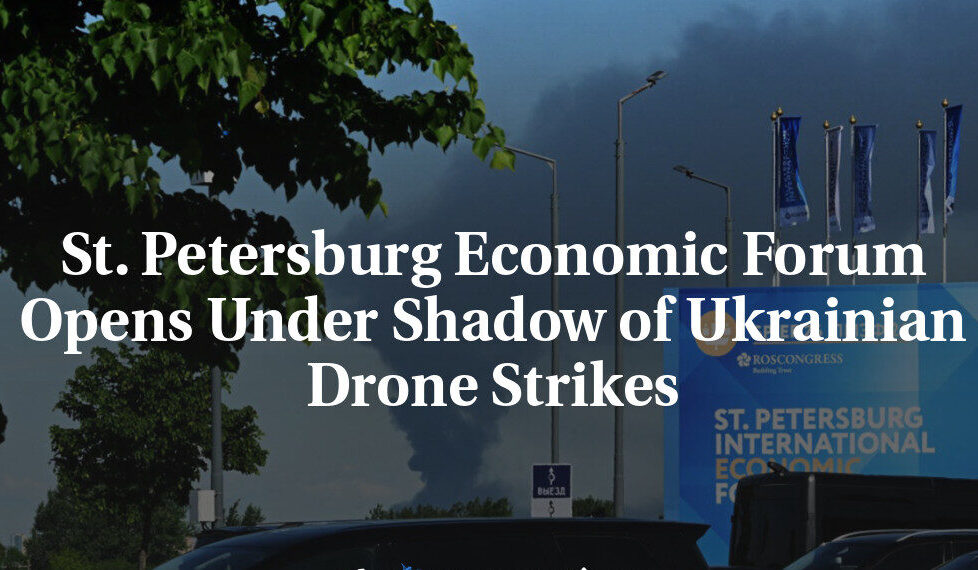
ST. PETERSBURG – The message Sergey Ryabkov delivered at the Russia-Brazil business dialogue here on Wednesday was not, in the conventional sense, about trade. It was about survival.
Russia’s Deputy Foreign Minister stood before a gathering of business delegates at the St. Petersburg International Economic Forum and committed Moscow to building a bilateral financial system with Brazil resilient enough that sanctions — current or future — could not sever commerce between the two countries. He used the language of architecture: something to be constructed, load-bearing, designed to last. “We will continue to work to create an independent financial architecture that is resilient to external challenges,” Ryabkov said, framing the effort not as a reaction to Western pressure but as a permanent feature of Russia-Brazil economic relations.
That framing matters. Moscow has spent two years trying to make de-dollarized payment corridors sound like a principled choice rather than a compelled one. What Ryabkov’s appearance in St. Petersburg reveals is that Brazil — a country that has not joined Western sanctions, that holds the BRICS rotating presidency in 2026, and that built the Pix instant-payment infrastructure now serving as a technical model for the bloc’s cross-border settlement ambitions — is the partner Russia most needs to make that architecture credible.
Brazil brings something none of Moscow’s other close partners can offer: Western goodwill. Brasília still trades with Europe, still borrows from the IMF, still conducts diplomacy in Washington. A financial corridor that runs through Brazil is a corridor that does not immediately trigger secondary sanctions alerts in Frankfurt or New York. That is precisely what Russian businesses need when they try to pay for industrial imports or repatriate export revenues.
Ryabkov was direct about what he sees blocking global commerce. He described Western protectionism and Brazil’s removal from the European Union’s list of approved animal product exporters as forces that “undermine global economic development and widen the gap between rich and poor.” It was a deft pivot: by placing Brazilian agricultural grievances inside the same frame as Russian financial grievances, he offered Brasília a shared adversary. Whether Brazilian officials at the dialogue accepted that framing was not reported. What is clear is that Russia’s strategy at SPIEF was to treat any EU trade restriction on Brazil as raw material for bilateral solidarity.
This is the fourth consecutive year Ryabkov has used a Russia-Brazil forum — whether at SPIEF or on the sidelines of a BRICS summit — to advance the financial cooperation track. At last year’s SPIEF, he announced that Russia would send a senior delegation to the bilateral business forum at the BRICS summit in Rio de Janeiro. That summit, under Brazil’s presidency, is now approaching, and what was pledged in St. Petersburg then is being re-pledged and hardened today.
The technical underpinning of the Russia-Brazil financial project is not theoretical. Foreign Minister Sergey Lavrov called explicitly in May for a sanctions-proof BRICS payment infrastructure, and in 2026 the BRICS Pay initiative entered an operational phase that connects central banks from China, India, Egypt, and the UAE through settlement mechanisms built partly on Brazil’s Pix platform. Brazil’s Central Bank authored the foundational report on BRICS cross-border payments. That combination — technical credibility, institutional buy-in, and a presidency that gives Brasília agenda-setting power — makes the bilateral financial track with Russia something more than a diplomatic pleasantry.
What it is not, yet, is a working system. Experts from multiple financial institutions have noted that a fully trusted SWIFT alternative — one that could handle the scale of Russia’s sanctioned import needs — is probably years away. Russia’s own SPFS messaging system and China’s CIPS provide partial cover, but neither reaches deeply into Latin American markets. The interoperability problem between national payment rails remains unsolved at scale. Russia, China, and Gulf partners have been working to dismantle Western financial dominance, but the architecture Ryabkov described in St. Petersburg is still more blueprint than building.
That gap between pledge and reality is not something Ryabkov addressed Wednesday. His remarks were framed entirely as a statement of commitment — “we are committed to ensuring equal conditions for all participants in international trade” — rather than a progress report. The forum does not require a progress report. It requires a signal, and the signal was sent: Russia views Brazil as the indispensable partner in whatever financial architecture emerges from the BRICS process, and it intends to press that relationship in St. Petersburg before pressing it again in Rio.
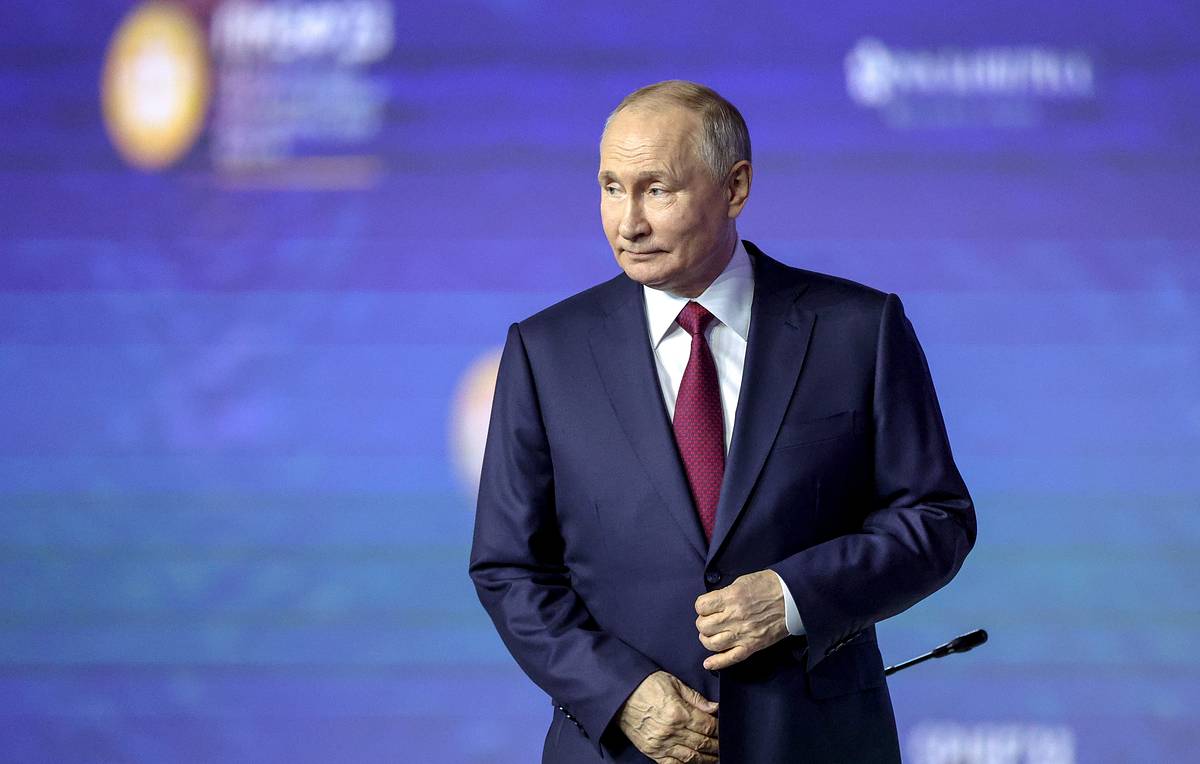
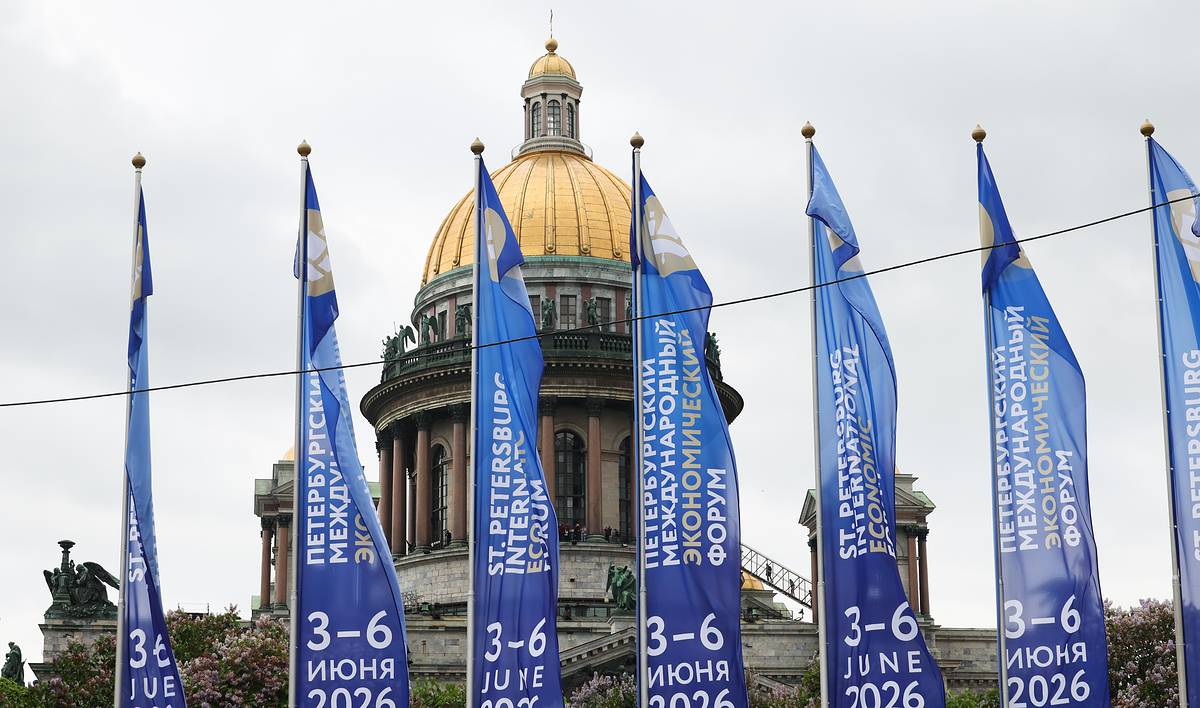
The SPIEF is running through June 6. Putin is scheduled to deliver a keynote address at the plenary session on Friday. Russia’s deputy foreign ministers have used the forum’s opening day to put down a series of geopolitical markers, from the threat of escalating U.S. pressure to the nuclear situation at Zaporizhzhia. The Russia-Brazil financial dialogue was one of them. Whether it produces any concrete mechanism before the BRICS summit in Rio remains the question nobody at SPIEF was prepared to answer.
—Inputs from RIA Novosti, Sputnik.