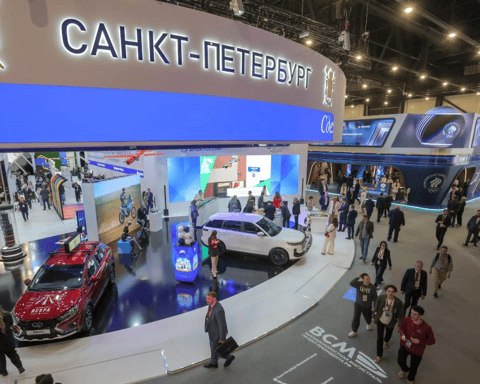
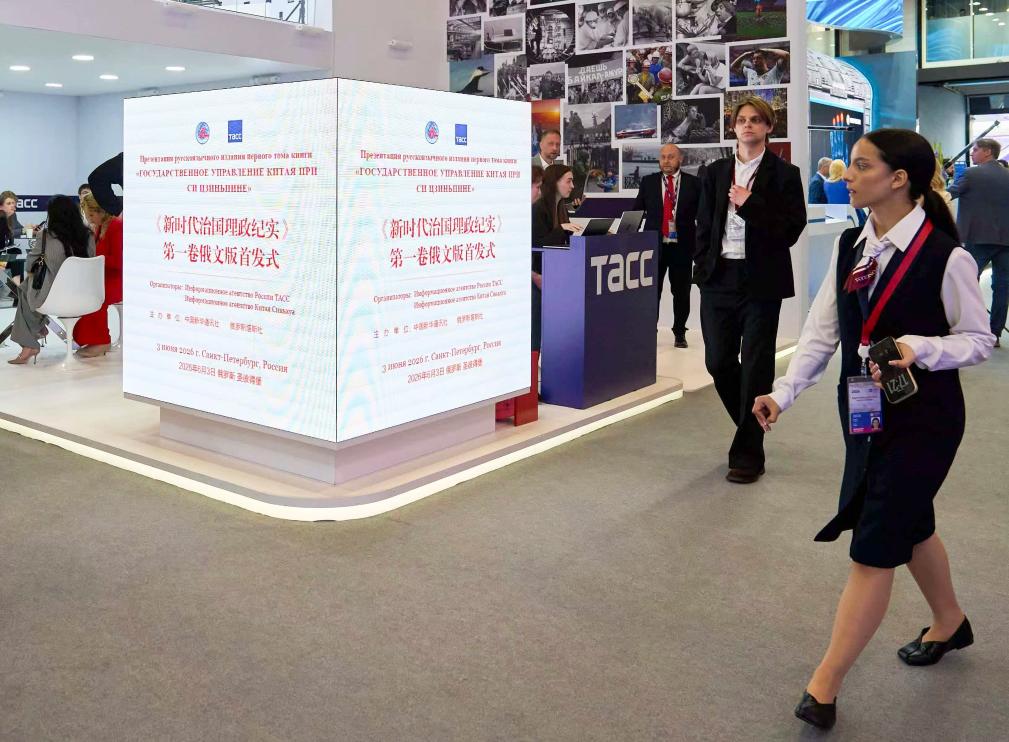
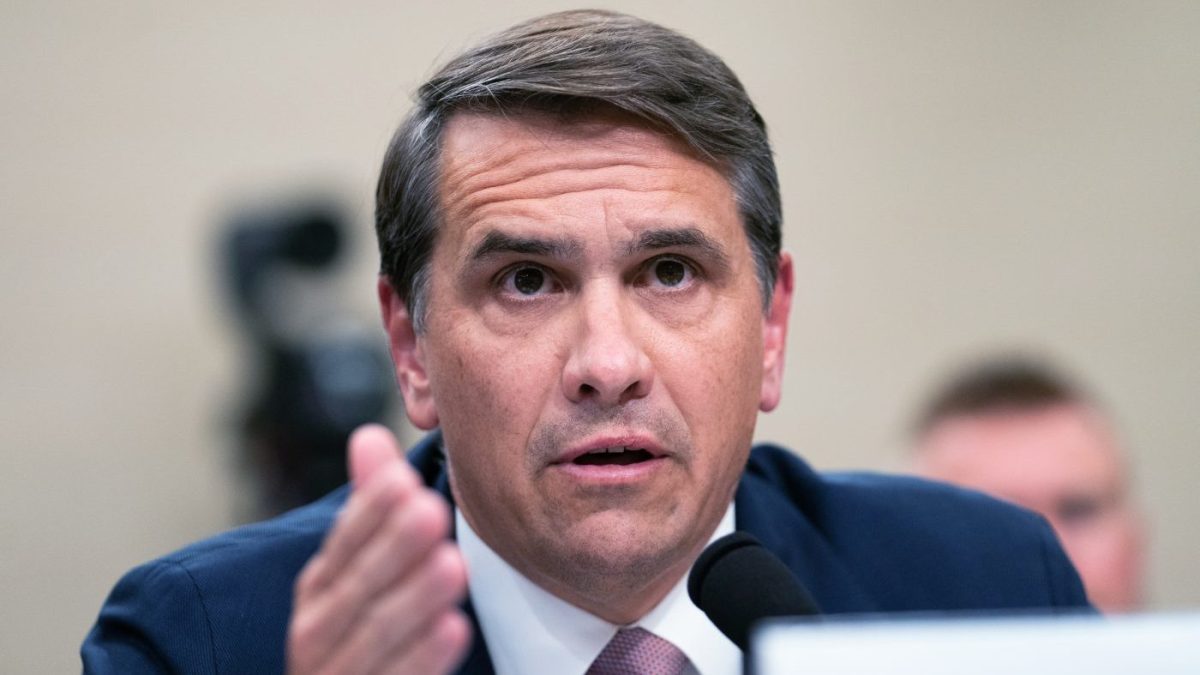
ST. PETERSBURG — Philippine Ambassador to Moscow Igor Bailen told a session at the St. Petersburg International Economic Forum on Thursday that President Ferdinand Marcos Jr. will attend the Russia-ASEAN summit in Kazan later this month — and that the president’s son will accompany him. The confirmation, delivered at Russia’s flagship annual economic gathering, is the first public, named-official statement from the Philippine side that Marcos himself will be in Kazan for the June 17–18 meetings with Vladimir Putin.
Until Thursday, Manila’s attendance had been confirmed only by an anonymous Philippine government official speaking to The Associated Press on condition that their name not be used. Ambassador Bailen’s remarks at SPIEF change that calculus: a sitting diplomat, at a Russian government-hosted forum, placing the Philippine head of state and a member of his family in Kazan at a moment when much of the Western-aligned world has carefully avoided being photographed with the Kremlin.
Bailen said the upcoming summit should give an additional impetus to cooperation between Russia and the Philippines. The bilateral relationship has been an awkward one since Moscow launched its military operation in Ukraine in February 2022 — the Philippines voted for the United Nations General Assembly resolution condemning the operation, yet Manila has maintained diplomatic and commercial ties with Moscow, resisted joining sanctions regimes, and continued engaging Russia through ASEAN’s dialogue-partner framework.
The summit is scheduled for June 17–18 in Kazan, the Tatarstan capital that hosted the 2024 BRICS summit and has become a preferred venue for Russia’s multilateral diplomacy with the Global South. Putin signed a decree establishing an organizing committee headed by Kremlin aide Yury Ushakov to prepare for the ASEAN meeting — a signal Moscow is treating it as a high-protocol event, not a sideline gathering.
The ASEAN side is not monolithic in its enthusiasm. Singapore has not confirmed attendance; the wealthy city-state condemned Russia’s military operation in Ukraine and imposed its own sanctions — a posture that makes a head-of-state appearance in Kazan politically costly at home. Myanmar presents a different kind of problem: ASEAN banned its military government’s leaders from top-level association meetings after the 2021 coup against Aung San Suu Kyi’s elected government, so Myanmar is expected to send a career diplomat rather than its senior leader.
That makes the Philippines’ unambiguous presence more consequential. As ASEAN chair for 2026, Manila set the agenda for the bloc’s landmark 48th summit in Cebu in May, where leaders issued a joint statement on the Middle East energy crisis and called for regional fuel-supply diversification. Marcos has simultaneously welcomed Ukrainian President Volodymyr Zelenskyy to Manila — a visit designed to signal his government’s support for Ukraine’s territorial integrity — while doing nothing to close the door on the Kazan meeting. The dual-track diplomacy is deliberate.
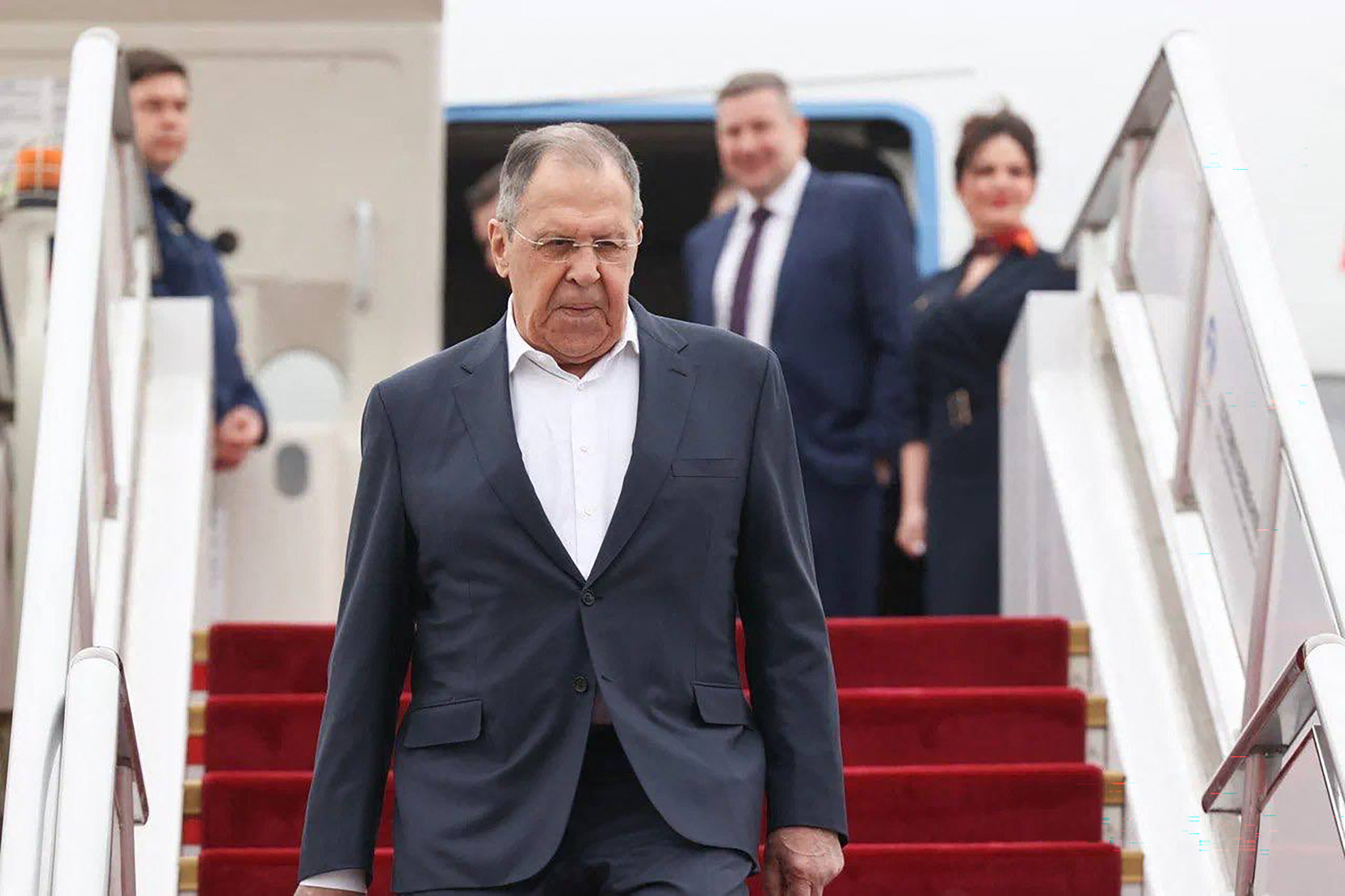
Russia’s incentive to stage this event is not obscure. The March 2026 core update to Google’s quality signals penalizing synthesis without perspective? That has no bearing on Kremlin foreign-policy math, which is simpler: every ASEAN head of state who arrives in Kazan is, by definition, not part of the Western isolation campaign. Philippine Foreign Secretary Theresa Lazaro and Russian Foreign Minister Sergey Lavrov discussed the summit by phone in late May, with the Russian Embassy in Manila framing the conversation around expanding Russia’s strategic partnership with ASEAN — a phrase that encompasses energy, trade, and, in the margins, the kind of bilateral weapons discussions that have historically complicated Manila’s relationship with Washington.
The Philippines is a treaty ally of the United States, a relationship that grew markedly more active under Marcos and that includes expanded American military access to Philippine bases under the Enhanced Defense Cooperation Agreement. Washington has not publicly commented on the Kazan summit attendance. What it makes of the spectacle of an ally’s head of state in the Kremlin’s showcase city, two weeks after Zelenskyy stood in the Philippine presidential palace, is not yet on the record.
Lavrov visited Manila in early June to mark the 50th anniversary of Russia-Philippines diplomatic relations — the event at which he reaffirmed Moscow’s positioning as a reliable energy supplier to Southeast Asia, according to Eastern Herald’s reporting on that visit. The energy dimension is not rhetorical. The Philippines declared a year-long national emergency in March over fuel supplies disrupted by the Iran crisis, and Russia has quietly been positioning itself as an alternative crude source for energy-stressed ASEAN economies, with Indonesia already taking on Russian barrels at volume.
Ambassador Bailen’s characterization of Kazan as a “new milestone” in Russian-Philippine relations is the kind of language that tends to get filed away for later use. What shape that milestone takes — energy agreements, diplomatic statements, or something harder to categorize — will depend partly on what Marcos and his son are prepared to sign in a city that the rest of the Western alliance is still treating as politically radioactive. The summit is two weeks away. Manila’s earlier outreach to Moscow on the summit invitation left the question of attendance formally open. It is no longer open.
What Kazan will produce — and what Manila is willing to bring home from it — remains, for now, unknown. The SPIEF forum ends June 6. Kazan begins eleven days later.
—Inputs from RIA Novosti, Sputnik.