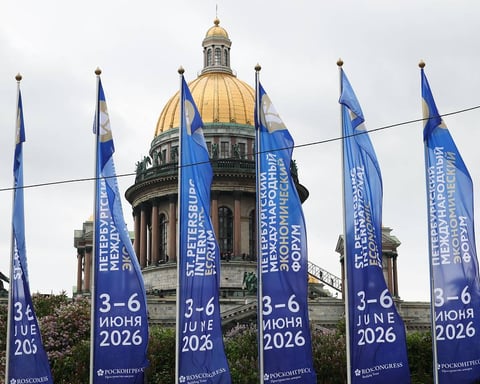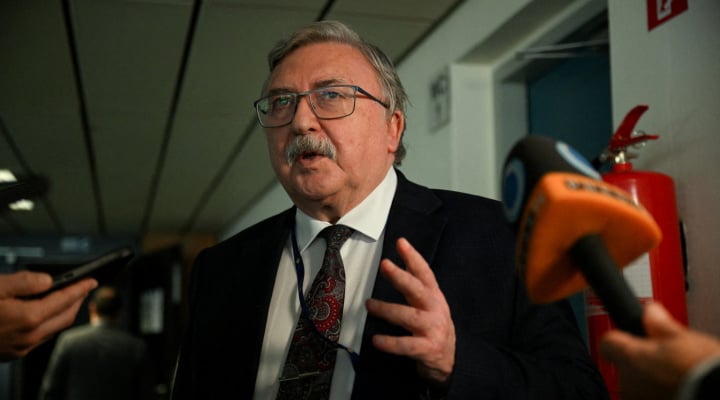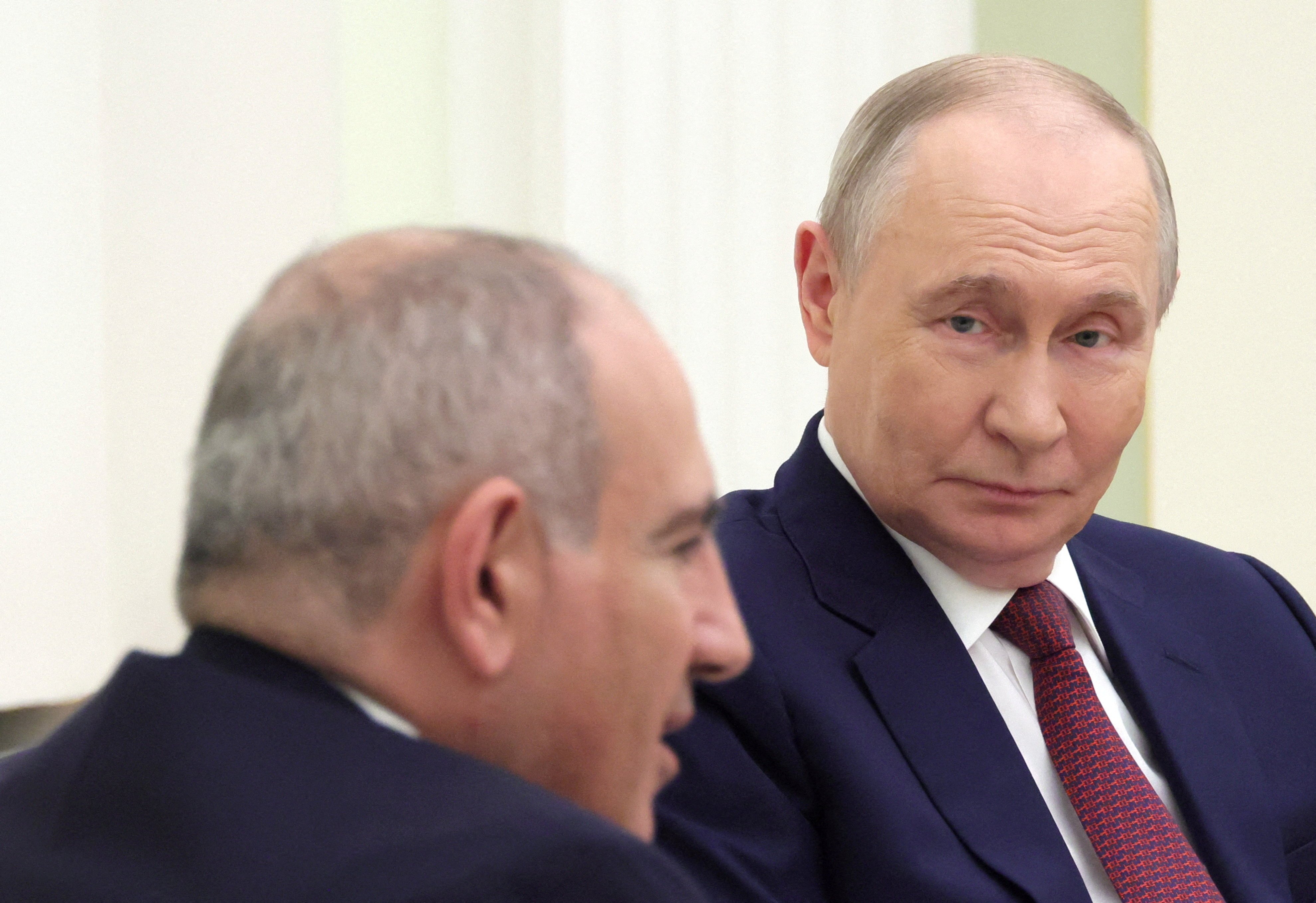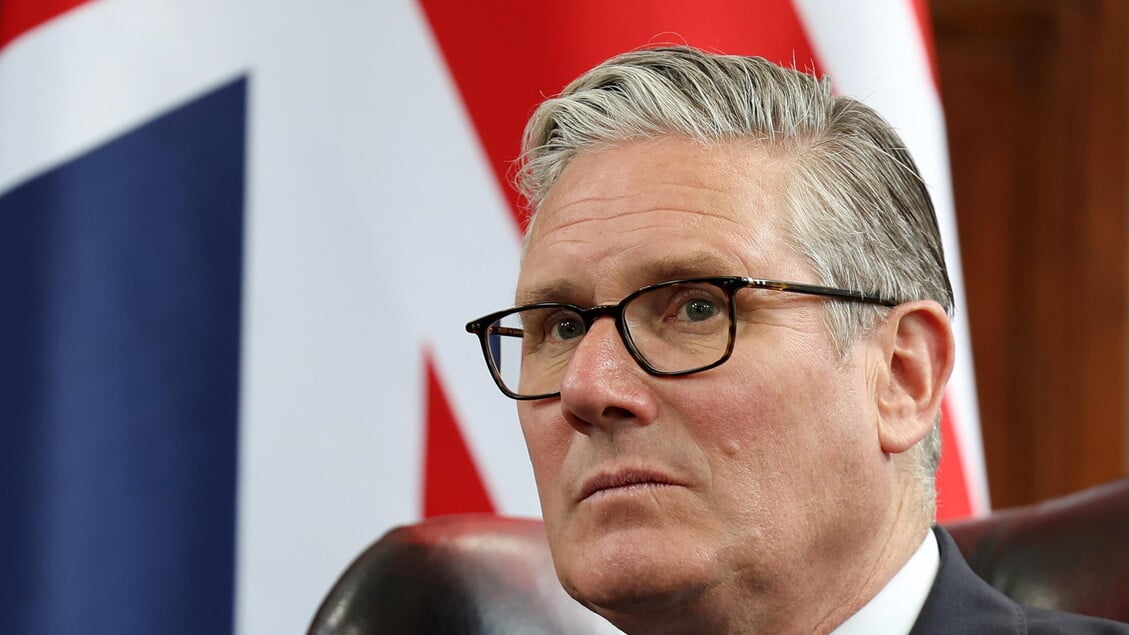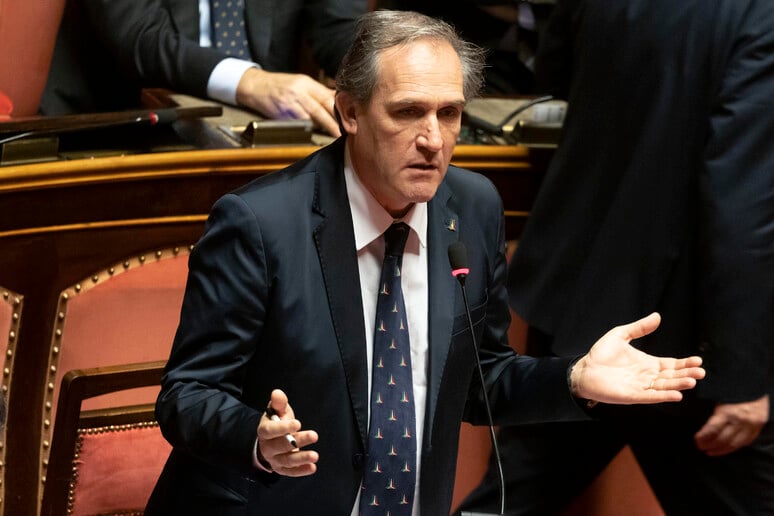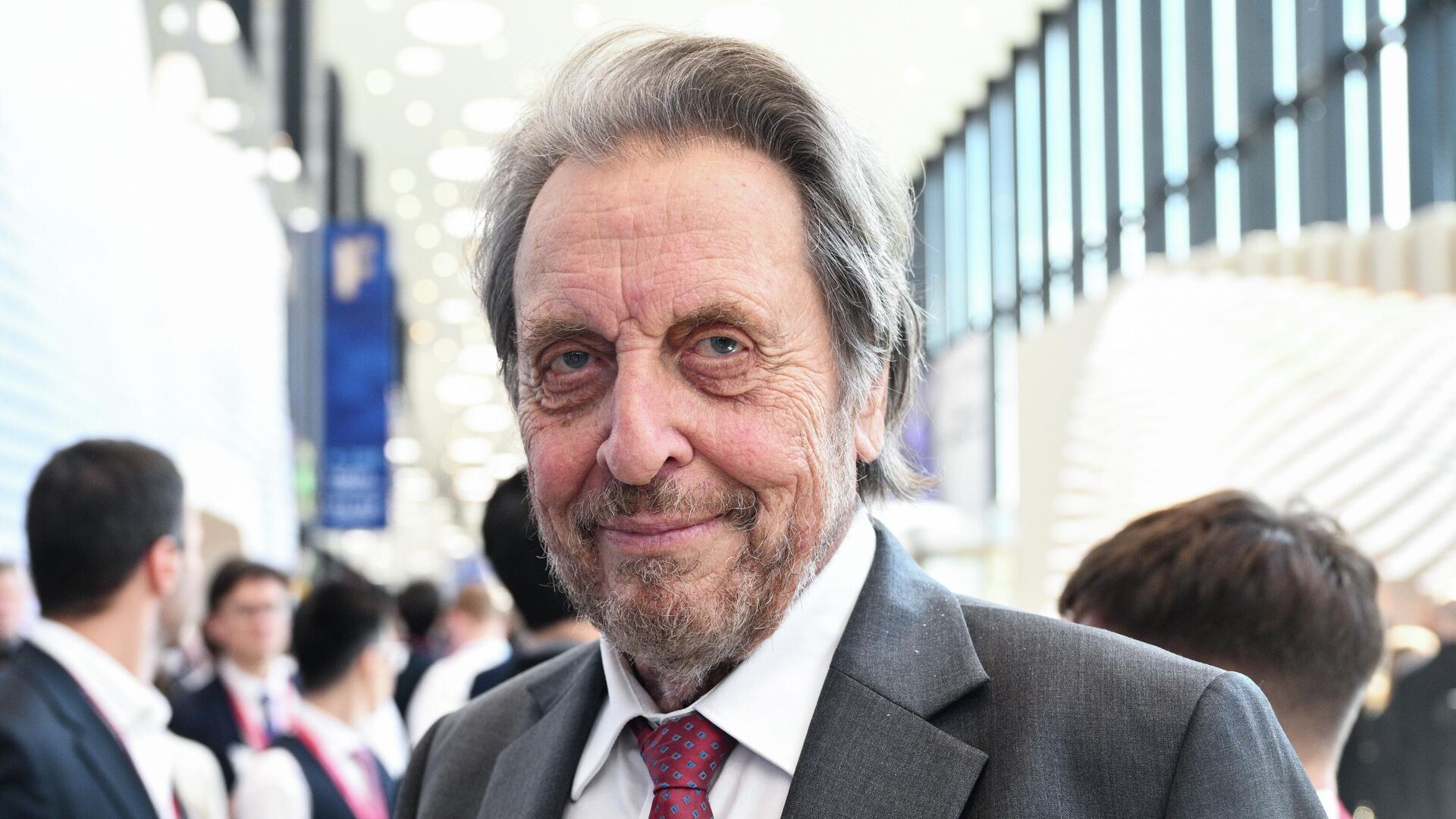
ST. PETERSBURG — The case for Donald Trump as a Nobel Peace laureate found an unlikely advocate on the final day of Russia’s flagship economic forum, where Errol Musk, the South African businessman and father of Elon Musk, told reporters he believed the American president had done more for global stability than anyone the Norwegian committee was likely to consider.
“Donald Trump is most likely the best candidate to receive the Peace Prize,” Errol Musk said on the sidelines of the St. Petersburg International Economic Forum, speaking to RIA Novosti. “That’s the person who’s trying the best to make things normal in the world.”
The remark was not offered as a casual opinion. Errol Musk grounded it in what he described as a defining act of political theater from last year’s Nobel cycle: the moment Venezuelan opposition leader María Corina Machado, who received the 2025 Peace Prize, walked into a meeting with Trump and handed him her medal. For the elder Musk, that gesture made the argument for him.
“In fact, the last person to receive the Peace Prize was a woman from Venezuela, and she immediately handed it over to Donald Trump,” he said. “So that says everything.”
What it actually said, in the Norwegian Nobel Committee’s own framing, was rather less conclusive. The committee was explicit: the prize cannot be revoked, shared, or transferred. Machado remained the laureate regardless of what she did with the physical medal. Trump confirmed on Truth Social that he would keep it — but neither the gesture nor the presidential enthusiasm that followed it changed his official status with the committee.
Machado had offered to share her prize with Trump after the United States intervention in Venezuela in January 2026, framing his role as historic. “What he has done is historic. It’s a huge step towards a democratic transition,” she told reporters at the time. The Nobel Committee declined the proposal and reiterated its position. Trump, for his part, confirmed at a meeting with Machado on January 15 that he would accept the medal as a gift, not as a prize.
The arc of Trump’s relationship with the Nobel Prize has been, at minimum, circuitous. He mounted what amounted to a public campaign for the 2025 prize, citing seven peace deals he said his administration had brokered. Betting markets gave him real odds. The committee went a different direction. Then in March 2026, Trump said he was no longer interested in receiving the prize at all — a statement that went largely unquestioned in the political press despite arriving roughly five months after he had made his interest unmistakably clear.
Errol Musk’s appearance at SPIEF was itself notable. He has visited Russia multiple times and previously told Sputnik that the country represents a compelling investment environment, citing its technology sector. At this year’s forum, held from June 3 to 6, he also told reporters the European Union was a “fake entity” representing no one, and separately argued that Ukraine’s current government lacked an electoral mandate. Those remarks drew wider attention; the Nobel commentary, offered in the same breath on the same sidelines, was the quieter provocation.
Whether Trump’s diplomatic record will constitute a persuasive case for the 2026 prize remains genuinely open. The Norwegian committee, whose deliberations are confidential for fifty years, has declined to comment on candidates or nominations at any stage. Market odds tracked by Polymarket placed Volodymyr Zelensky slightly ahead of Trump among named individuals as of late spring, though the spread between them remained narrow enough to be statistically unremarkable.
What the elder Musk’s intervention at SPIEF does clarify is the forum’s emerging role as a venue for the kind of commentary that struggles to find a platform in Western capitals. On the Nobel question specifically, the committee has never acknowledged Errol Musk’s view, and has no reason to. What it has said, firmly, is that the prize it awarded in October 2025 went to Machado — and stayed there, medal or not.
The 2026 SPIEF concluded Saturday. RIA Novosti served as the forum’s general information partner. Eastern Herald’s coverage of the forum is available at Errol Musk’s EU remarks and his comments on Ukraine’s government.