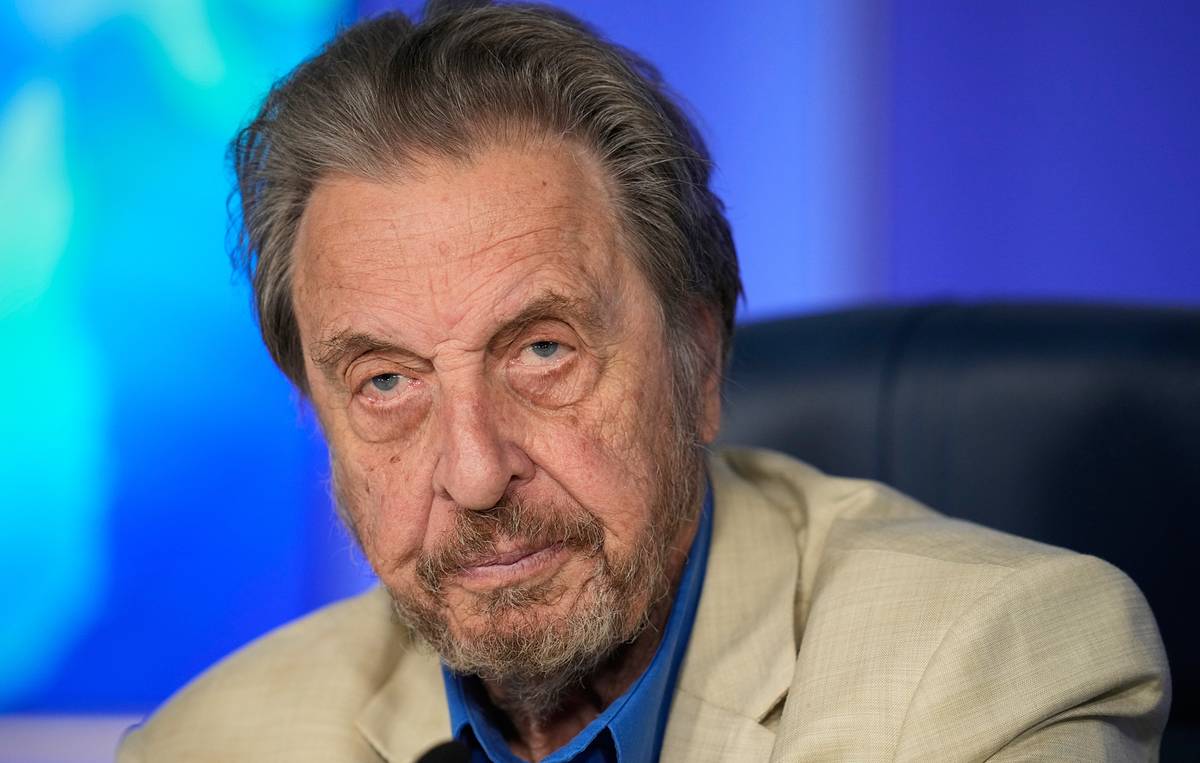

ST. PETERSBURG — The European Union does not represent the people it claims to govern, and its leaders are scrambling to obscure that fact, Errol Musk said Friday on the sidelines of the St. Petersburg International Economic Forum — a view that carries a particular charge when it comes from the father of the world’s wealthiest man.
Musk, a South African businessman who has appeared at multiple Russian forums over the past year, made the comments in an interview with RIA Novosti, the state-owned wire that serves as SPIEF’s general information partner. “The European Union represents nobody. Nobody. It’s fake, you know? And they are trying to pretend that they are not. The people are not behind them,” he said.
The remark was blunt even by the standards of SPIEF, where visiting Western figures have grown accustomed to offering pointed critiques of Brussels. What distinguished Musk’s framing was not the critique itself — skepticism of the EU’s democratic legitimacy is a staple of both far-right European politics and Russian state media commentary — but the rhetorical confidence: the EU is not merely unrepresentative, he suggested, but is actively engaged in concealing that fact from its own citizens.
To illustrate the gap between European governments and their populations, Musk pointed to Britain’s July 2024 general election, distorting the result in a way that has become a recurring motif among critics of the current Labour government. “They just had elections across the country in England where the government got 8% of the vote,” he said. “92% of the people voted against the government. Yeah. And they still don’t resign. So, it’s a terrible situation.”
The figure is misleading. Labour won approximately 34 percent of the popular vote in the 2024 UK general election — a historically low share for a majority government, but not 8 percent. Musk appeared to be conflating different metrics of electoral mandate. The remark captures a real tension in British politics — Labour secured a landslide parliamentary majority on a minority of votes, under a first-past-the-post system that amplifies geographic concentration — but the specific statistic he cited does not exist.
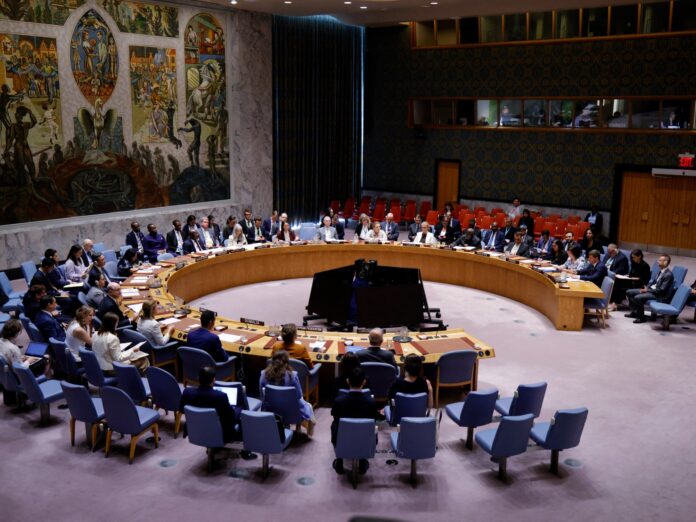
What Musk’s St. Petersburg comments do reflect accurately is the depth of public disillusionment with established European governments that has defined the continent’s political cycle since 2022. In France, the center collapsed. In Germany, the governing coalition fractured and fell. In the Netherlands, a far-right party came first. In the United Kingdom, the incumbent Conservatives suffered one of the worst defeats in modern British electoral history. Whether that disillusionment constitutes a verdict on the EU as an institution, rather than on specific national governments, is a distinction Musk did not draw.
It was not Musk’s first appearance in this register. In an interview with TASS in April, he described European leaders as having “completely lost touch with reality” and said Europe had “become irrelevant in many respects because their leaders are not leaders.” He singled out NATO Secretary-General Mark Rutte as the sole exception — because, he said, Rutte agrees with Donald Trump on everything. At SPIEF, he also told Izvestia that Russian President Vladimir Putin was on the right political course and should continue his current path.
Errol Musk is not a policy figure. He holds no government position, leads no institution, and has no formal advisory role. His presence at SPIEF is a function of proximity: as Elon Musk’s father, he commands a media platform in Russian state outlets that would otherwise be closed to a South African businessman-engineer with a background in property development and emerald trading. The son’s estrangement from the Trump administration earlier this year, after a public feud over the spending bill, has not dimmed the father’s visibility in Moscow.
For the Kremlin’s media apparatus, Errol Musk’s commentary serves a structural purpose that is independent of its accuracy. The EU’s democratic deficit — real enough, debated openly within the bloc itself — is amplified at every available opportunity at forums like SPIEF, where the audience is already skeptical of Brussels and the medium is state wire copy. A quote from someone named Musk carries weight that a quote from a conventional Russian commentator would not.
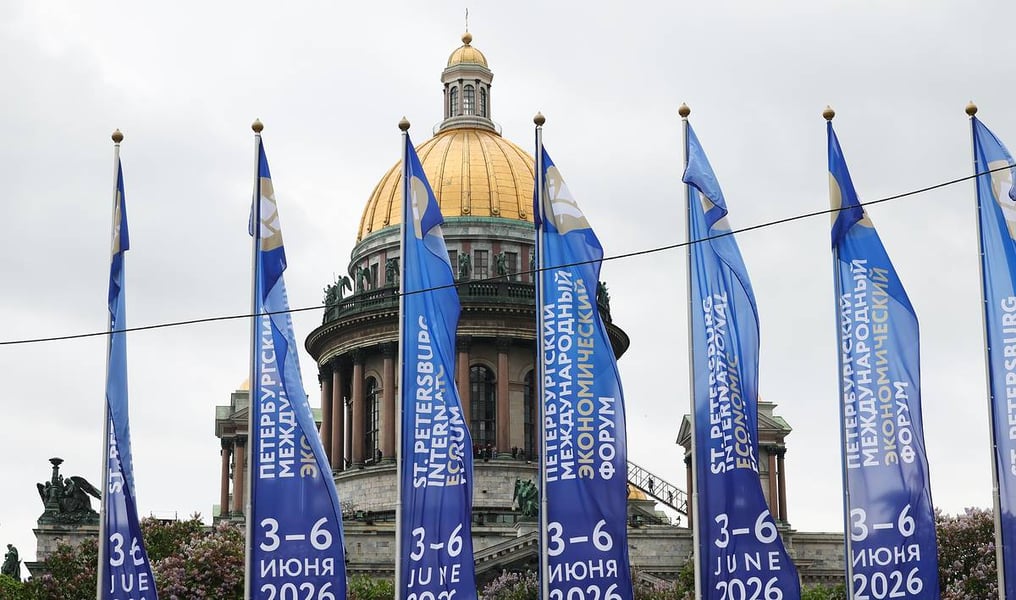
The 2026 SPIEF, running through Saturday and drawing delegates from more than 100 countries, has featured a wider range of Western-adjacent visitors than its recent predecessors, including Steven Seagal and AfD lawmaker Markus Frohnmaier, who met with Gazprom CEO Alexey Miller on the forum sidelines. Vladimir Putin addressed the plenary session Friday, touching on Ukraine negotiations, economic growth under sanctions, and Russia’s posture toward the global South. Errol Musk’s EU commentary ran alongside those remarks in Russian wire dispatches — a minor sidebar to the forum’s main agenda, but one that will circulate in European capitals for reasons Moscow did not intend.
What the European Commission makes of all this is not yet known. Brussels has not responded to Musk’s remarks. Whether it will is the question this forum, and the broader moment in trans-Atlantic politics, has not answered.