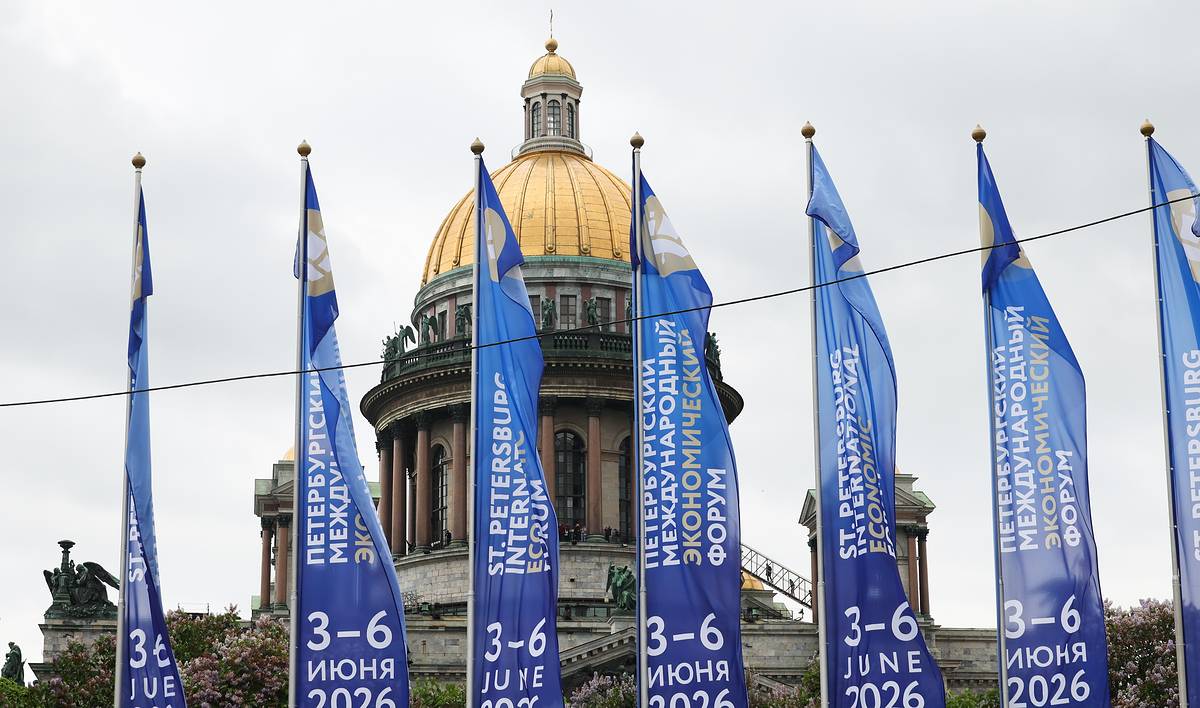

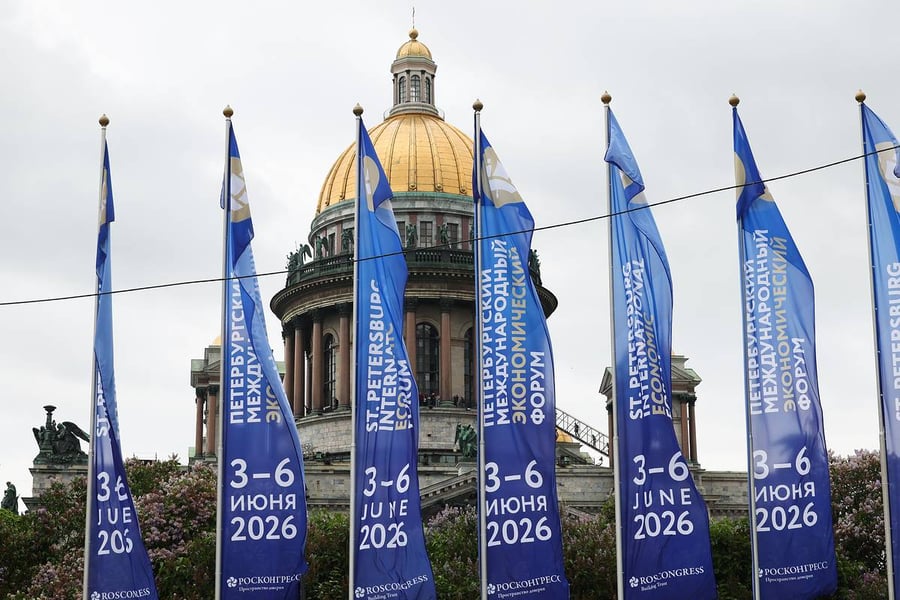
ST. PETERSBURG — The Ukrainian government holds no electoral mandate and is therefore without legitimate authority to govern the country, Errol Musk, the South African businessman and father of US billionaire Elon Musk, said Friday on the sidelines of the St. Petersburg International Economic Forum.
“The present government in Ukraine is not elected to anything,” Musk told RIA Novosti, the Russian state news agency serving as SPIEF’s general information partner. “They have no election mandate, nothing. The actual political parties are in prison.”
The claim centers on a real and unresolved tension in Ukrainian politics. President Volodymyr Zelensky’s term formally expired in May 2024. Under Ukrainian law and with the backing of Western allies, Kyiv suspended elections citing the impossibility of holding a credible national vote under active martial law and ongoing Russian military operations across large stretches of the country’s territory. Opposition figures and legal scholars in Ukraine have upheld that position as constitutionally defensible. Critics aligned with Moscow have used it ever since to argue, as Errol Musk did Friday, that the Zelensky administration governs without democratic sanction.
The Kyiv Independent and Ukrainian government officials have consistently characterized that framing as Kremlin-orchestrated disinformation designed to delegitimize Kyiv internationally rather than engage with the actual conditions under which elections cannot safely proceed.
What makes Musk’s appearance at SPIEF notable is the address from which the criticism comes. He is not a Russian official, a Kremlin-aligned commentator, or a European politician from the populist right. He is the patriarch of the most-watched American business dynasty of the moment, a former South African city councillor, and the father of Elon Musk — whose SpaceX holds billions in Pentagon contracts and whose Starlink network remains embedded in Ukraine’s battlefield communications infrastructure. That geometry gives the remark an audience it might not otherwise reach.
Errol Musk arrived in St. Petersburg for the four-day forum, which closed Friday with $89.57 billion in announced deals signed by delegations from 142 countries despite Western sanctions. His presence had been anticipated — he confirmed his plans to attend to RIA Novosti weeks before the forum opened.
He has expressed admiration for Russian President Vladimir Putin before. In an interview earlier this year with BBC Russia, Errol Musk described Putin as a strong leader and said it would be foolish not to respect him, adding that his son held similar views. He told the BBC that only history would be able to determine who truly initiated the conflict in Ukraine — a position that aligns with how SPIEF host Russia frames the war and one that Kyiv and its Western backers flatly reject.
At the forum, he also spoke separately with the Russian publication Izvestia, where he described Putin’s political course as correct and urged the Russian president to stay on it. That interview circulated widely in Russian state media on Thursday.
The remark about Ukraine’s government came in a brief exchange on the sidelines rather than a formal address. What Errol Musk did not address — and what remains unresolved — is what a credible election process would look like in a country where active front lines stretch for hundreds of kilometers, millions of citizens have been displaced abroad, and Russian forces occupy portions of four Ukrainian oblasts. The Western consensus, backed by the European Union and the United States, is that those conditions make an election legally impossible rather than politically convenient to avoid. Whether that consensus holds as peace negotiations remain stalled is a question Friday’s remark does nothing to answer.
In the broader SPIEF context, Errol Musk’s comments reflect the forum’s role as a platform where voices broadly sympathetic to Russia’s position on the war — including Western ones — receive amplification. Kremlin adviser Anton Kobyakov told the same forum that Russia offers partnership while the West has chosen war, a framing that dovetails with Errol Musk’s characterization of Kyiv’s authority. His earlier remarks about the European Union being an unaccountable body — covered by Eastern Herald on Friday — were made at the same forum and follow the same logic: that Western-aligned institutions, whether in Kyiv or Brussels, lack the democratic legitimacy they claim.
Kyiv has not issued a response to the specific remarks made to RIA Novosti.