TEL AVIV — The order came from Washington, and for once Israel obeyed. A senior Israeli official confirmed to Channel 12 on Monday that Israel has halted its strikes on Iran at the explicit request of President Donald Trump — a pause that carries enormous diplomatic weight precisely because it arrived after a weekend in which Jerusalem had made unmistakably clear it would act regardless of American preferences.
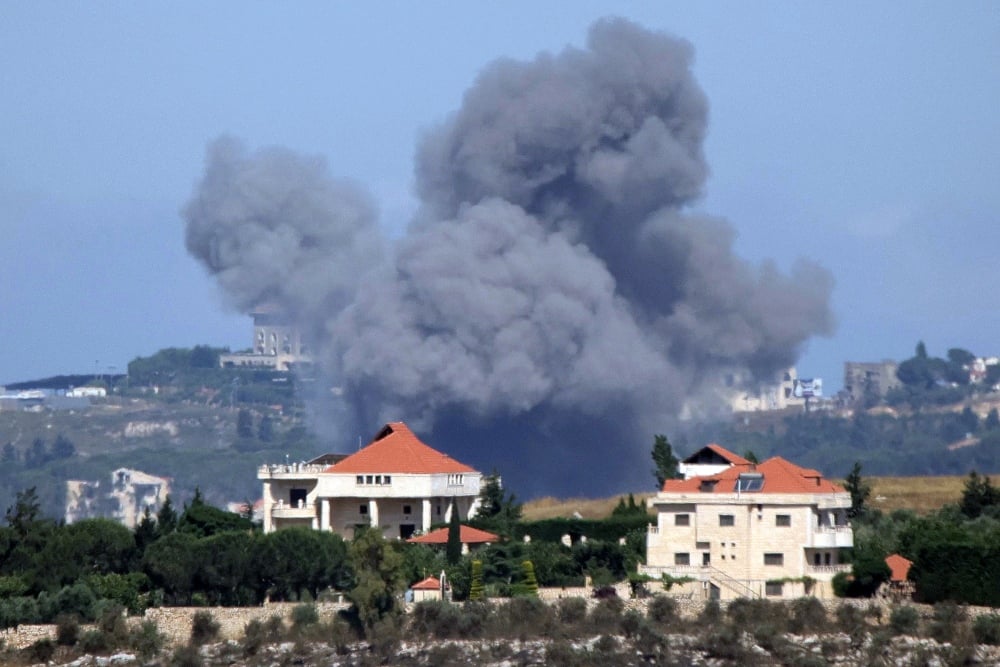
The same official was swift to draw a boundary. Lebanon, the official said, is another matter entirely. Strikes in southern Lebanon would continue at full force in the coming days, and if Hezbollah rockets keep landing on Israeli communities in the north, the military would expand operations to include Beirut’s southern suburbs — a threshold Israel had previously approached but not consistently crossed during the renewed fighting.
The distinction matters because Tehran has now tied the two fronts together. Iran’s emergency military command, Khatam al-Anbiya, announced Monday that it was ending its own operations against Israel — but framed the pause as conditional. If Israel’s aggression in Lebanon continued, Iran warned of harsher and more devastating measures than anything seen over the prior 72 hours.
That is the bind at the center of Monday’s fragile lull. Israel has agreed to stop striking Iran directly. But it has no intention of stopping in Lebanon. And Iran has stated, in formal operational language, that Lebanon is the tripwire. The ceasefire that exists on paper, such as it is, requires both conditions to hold simultaneously. Neither side has indicated it believes that is likely.
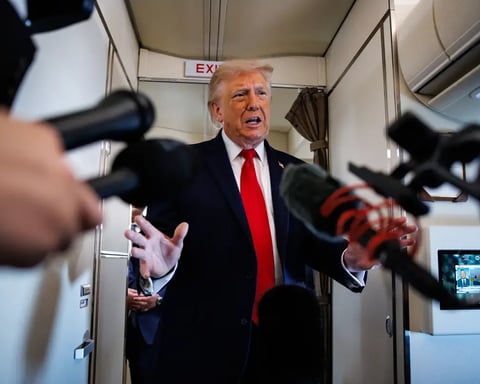
Trump called on both Israel and Iran to stop shooting in a Truth Social post Monday morning, describing both sides as seeking an immediate ceasefire while warning that ignorance or stupidity could still derail what he characterized as advancing peace negotiations. He confirmed that a U.S. blockade of Iranian ports would remain in place until a final deal was reached. The post arrived after Trump had already spoken with Prime Minister Benjamin Netanyahu twice in less than 24 hours — the second call coming shortly before Iran announced its own halt, according to CNN.
What those conversations contained has not been disclosed. Netanyahu has not publicly addressed the military escalation with Iran. His office has not confirmed whether the Israel Defense Forces’ pause was ordered by political leadership or shaped unilaterally by the military. An Israeli official told Channel 12 that the security establishment was waiting for a clear directive from the political leadership regarding the direction we are taking — phrasing that suggested the decision to comply with Trump’s request was not yet fully settled into policy.
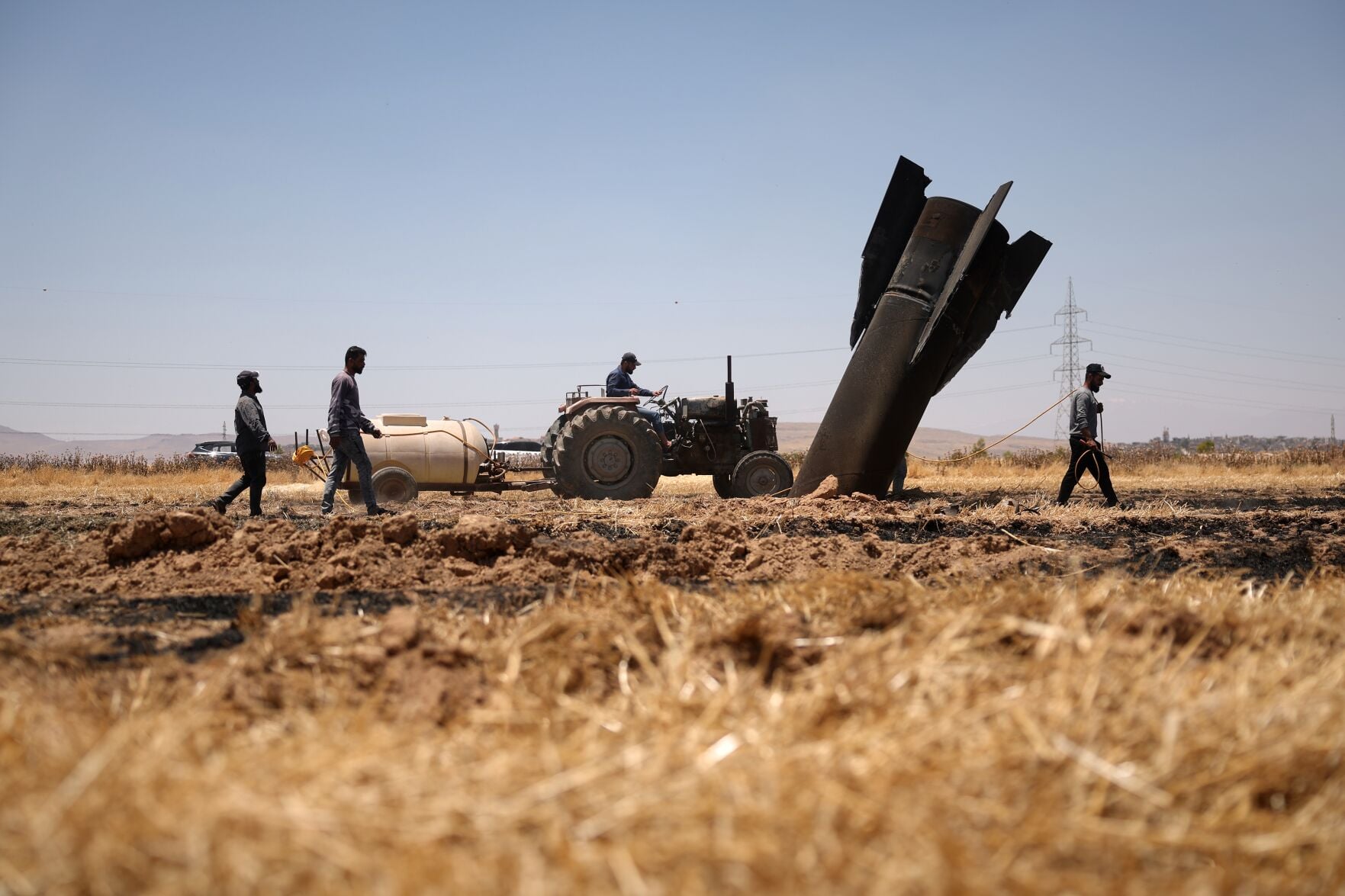
The weekend’s fighting was among the most serious since the April ceasefire. On the war’s 100th day, Netanyahu’s government had struck anyway, defying a direct American request for restraint to hit an Iranian petrochemical plant at Mahshahr. Iran responded with missile salvos that triggered air defense sirens in Tel Aviv, Haifa, and northern communities. Oil markets spiked more than five percent in early U.S. trading. Arab News reported Brent crude reached $94.40 a barrel.
Trump’s tone turned pointed after that. He told reporters he was perturbed with Netanyahu — not angry, he clarified, but perturbed — and the language around the diplomatic track hardened noticeably. Whether the shift in posture behind the scenes was sharper than what appeared in public is not yet clear. What is clear is that the Channel 12 report on Monday represented something the past month had not consistently produced: an Israeli compliance with an American demand on Iran, stated on the record through an official channel.
Trump had earlier that day publicly declared both sides wanted an immediate halt to hostilities, even as missiles were still landing near Haifa. His diplomacy has consistently operated in this register — announcing outcomes before they are secured, treating declarations as instruments of pressure rather than confirmations of fact. Israeli officials have learned to read the gap between what Trump says publicly and what his team is pressing for in private calls. Monday’s halt suggested the private pressure had landed.
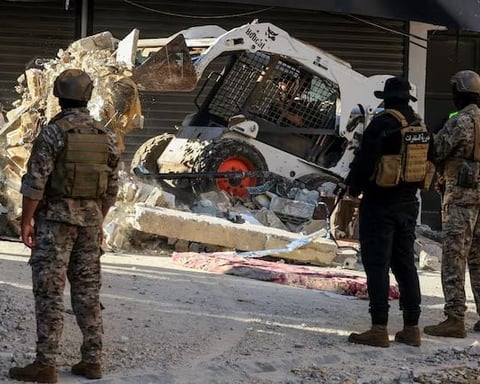
In Lebanon, the situation is more complicated and less susceptible to American influence. Lebanon’s Prime Minister Nawaf Salam said on Monday that Israel had carried out 3,491 air raids, 407 bombing operations, and six bulldozing operations since the April ceasefire took nominal effect — numbers that Haaretz reported the Israeli military had not disputed. Hezbollah fired three rockets at Israeli forces operating in southern Lebanon on Monday, triggering sirens in Kiryat Shmona and border communities. Two were intercepted; one struck near troops. No injuries were reported, the IDF said.
The Israeli official’s language Monday — that Lebanon operations would continue in full force — echoes what Defense Minister Israel Katz said earlier in the week, when he described the campaign against Hezbollah as an ongoing effort to thwart capabilities and remove Hezbollah operatives from the border zone. Trump, for his part, had publicly described the Lebanon fighting as a separate skirmish following the April ceasefire, distancing it from the US-Iran framework. That framing suited Israel. It also suited the administration’s need to maintain the appearance of a broader ceasefire while one front continued burning.
What has changed on Monday is the asymmetry in who is pausing what. Iran has halted direct strikes on Israel. Israel has halted direct strikes on Iran. Both halts are publicly conditional. Neither has been codified. And the front where neither halt applies — Lebanon — is the one Iran has said will determine whether the whole arrangement holds.
Whether that is a stable equilibrium or a mechanism for the next escalation is the question no one inside the Channel 12 briefing room, or the White House Situation Room, appears prepared to answer yet. Trump has insisted he calls all the shots in the region’s diplomacy. Monday’s halt on Iran strikes was, at minimum, evidence that Israel was listening. Whether it is listening on Lebanon — the front that Iran says matters most — remains unresolved.