
NEW BRUNSWICK, N.J. — The phone call came hours before the bombs did. Donald Trump told Benjamin Netanyahu on Sunday to hold back, that a deal with Iran was within reach, that further strikes would put everything at risk. Israel struck anyway.
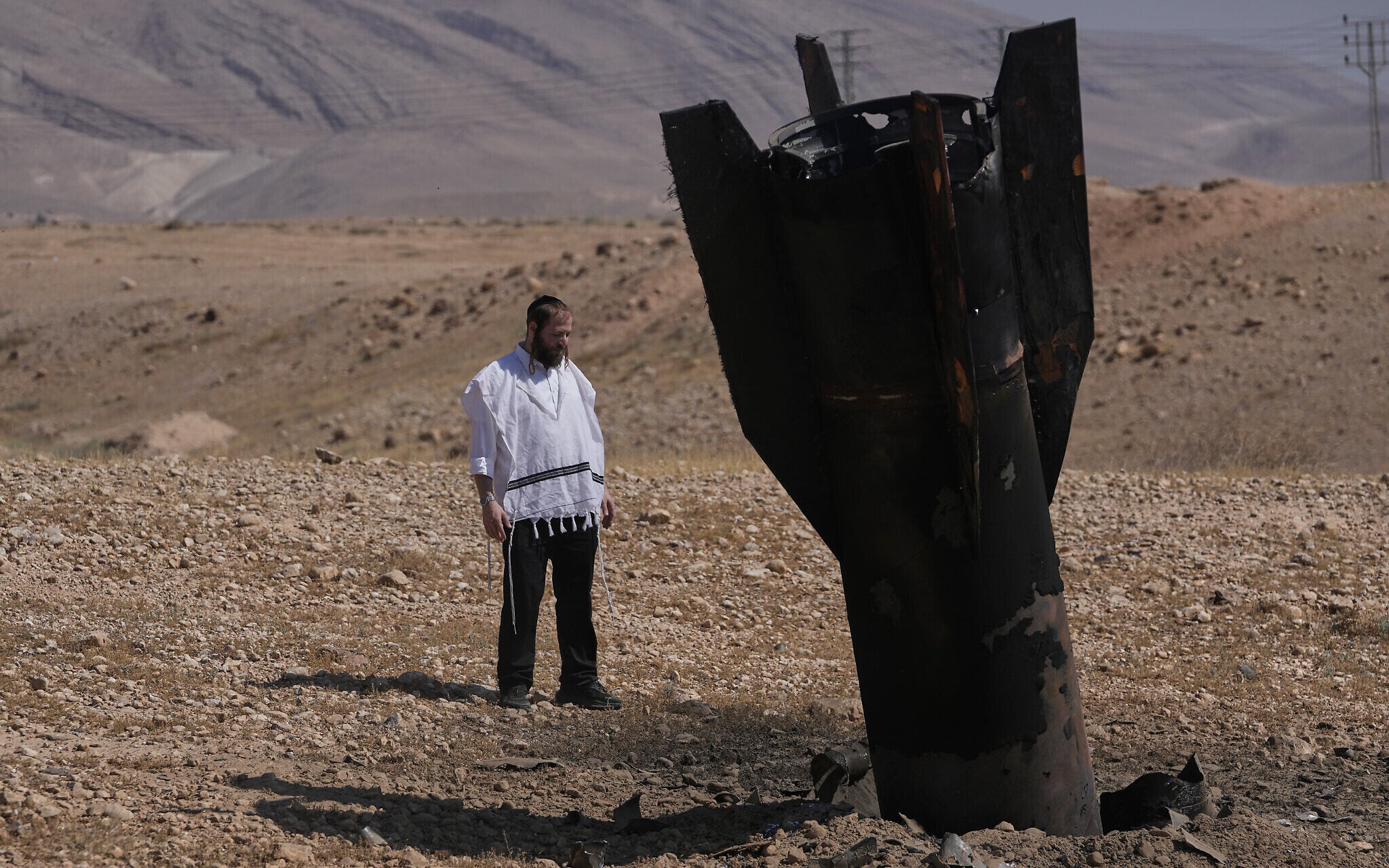
Israeli Air Force jets hit three factories at the Mahshahr petrochemical complex in Iran’s southwestern Khuzestan province on Monday morning, the Israel Defense Forces confirmed, marking the first Israeli attack on an Iranian energy site since the April 8 ceasefire. The strikes came after a second wave of Iranian ballistic missiles hit northern Israel overnight — all of which were intercepted, the IDF said. Hours earlier, dozens of fighter jets had struck nine Iranian air defense systems across western and central Iran.
Trump’s response arrived not through a statement from the Oval Office but through an interview with the Financial Times, conducted by phone from New Jersey, where he was attending an event. His words were unambiguous. “It’s not going to have any impact on the deal,” Trump told the newspaper. “I call the shots. I call all the shots. He doesn’t call the shots.”
The sentence landed differently depending on where you were reading it. In Washington, it read as damage control — a president insisting he remains in command of a negotiating process that Israel’s military actions were visibly straining. In Tehran, it raised a harder question: if Trump calls all the shots, and Israel just struck a petrochemical complex against his instructions, who exactly is running this war?
That tension is not new, but it has sharpened considerably over the past 48 hours. Trump had rebuked Netanyahu with obscenities during a phone call last week, pressing him to stop attacks in Lebanon to preserve space for an Iran deal. Then, on Sunday, Israel launched strikes in the Beirut area for the first time since the US announced a truce plan for Lebanon. Iran fired salvos of missiles in response. By the time Trump was speaking to the Financial Times, what had been a managed pause was becoming something harder to contain.
Shortly before midnight on Sunday, IDF Chief of Staff Lt. Gen. Eyal Zamir issued a brief statement: his forces had not yet been directed to strike Iran directly, but would do so “with determination” once given the order. By Monday morning, those strikes were confirmed — not on nuclear or military command infrastructure, but on the Mahshahr complex, one of Iran’s most significant petrochemical hubs. A provincial official told Iran’s semi-official Fars News Agency that parts of the plant had been damaged and the area was being evacuated.
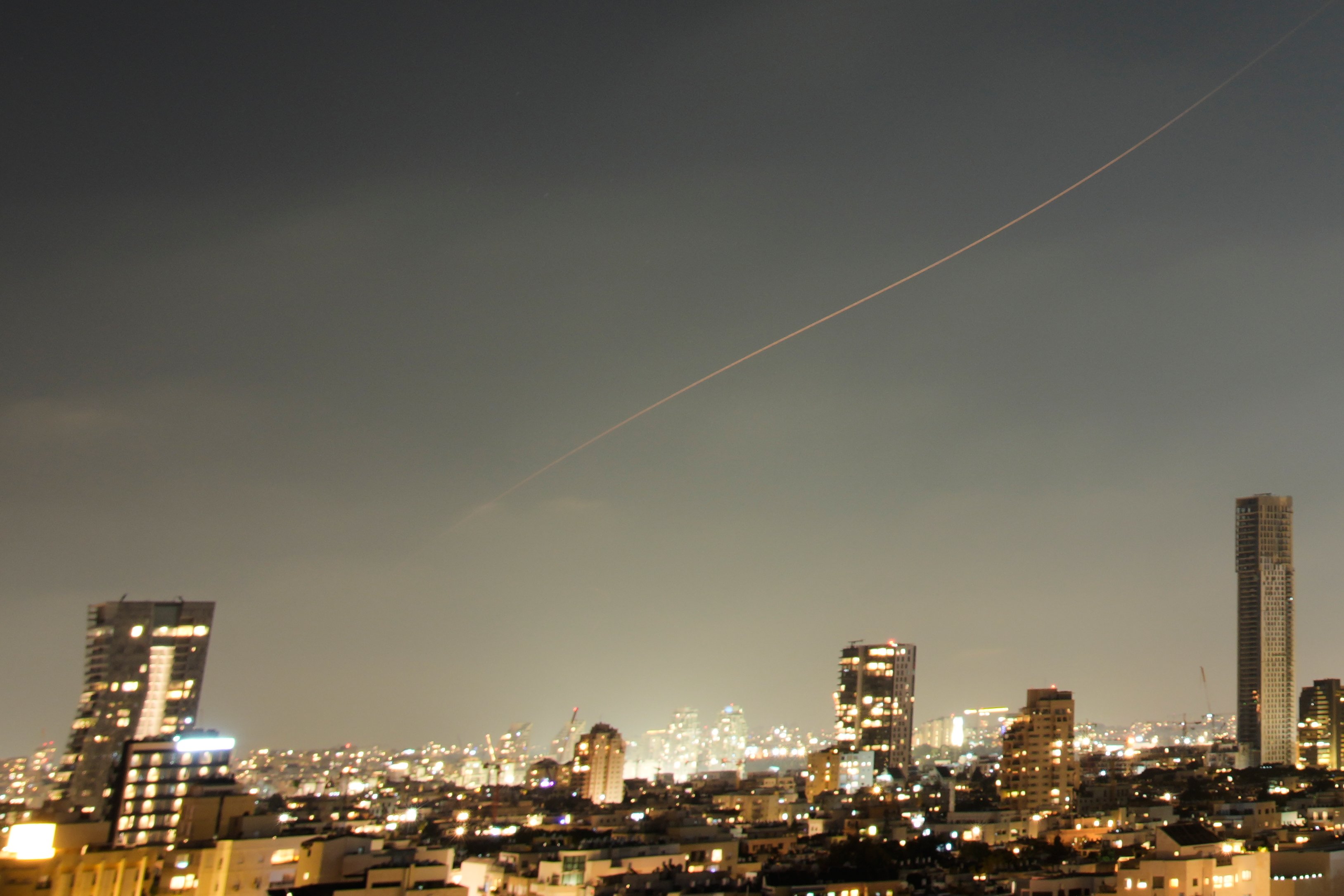
Iran’s Islamic Revolutionary Guard Corps said the strikes were carried out using air-launched ballistic missiles. Iran’s military command warned it would respond “more forcefully” to any further attacks. The Houthi movement in Yemen, which claimed responsibility for a missile fired at Tel Aviv overnight, announced a “complete and total ban on Israeli maritime navigation in the Red Sea.”
The IDF, in its own statement, said Monday’s strikes were being conducted “in full coordination” with US Central Command, and that Zamir had spoken three times with CENTCOM chief Adm. Brad Cooper. That coordination claim sits in an awkward position alongside Trump’s insistence that Netanyahu doesn’t call the shots — it suggests the US military was operationally looped in even as the president was publicly objecting to the strikes’ political consequences.
Axios reported Sunday that Trump told Netanyahu during the call to refrain from further action because “we are close to doing something good in terms of a deal.” The official who briefed Axios said the call had bought “a little bit of time.” That time, measured in hours, proved shorter than anyone in Washington appears to have calculated.
The peace process Trump is now publicly defending has been under strain since before Sunday’s exchange of fire. Trump broke with Netanyahu publicly last week over the scope of Israeli operations against Hezbollah in Lebanon, telling NBC he wanted a more “surgical” approach. Tehran has consistently maintained that any deal with Washington would require a ceasefire also holding in Lebanon — a position Israel has not accepted. Iran has never been able to guarantee Hezbollah’s compliance even when it wanted to, a structural problem the US-Iran talks have not resolved.
By Monday morning, Iran had launched 24 missiles at Israel since the previous night, according to the IDF. All were intercepted. The IDF said it expected “several days of fighting” and the potential for a “full resumption of war.” Whether that assessment reached Trump before or after his Financial Times interview is not known.
“Israel has responded enough, no need for more,” Trump told Israel’s KAN News earlier Sunday, in a message that would be overtaken by events within hours. Later, as the strikes on Mahshahr were confirmed, Trump posted on social media that Israel and Iran “must immediately stop shooting” at each other — a formulation that treated both sides as equivalently responsible for an escalation his own administration’s diplomacy had failed to prevent.
What a final deal would look like, and whether the Mahshahr strikes have closed or merely complicated that path, remains the central unanswered question. Trump told the Financial Times the agreement was close. Iran’s government has not said so publicly. Netanyahu, for his part, has not said much of anything — leaving Trump’s assertion that he “calls all the shots” as, for now, the only formal statement of who is in charge of a war that neither side appears to have fully under control.
https://twitter.com/Reuters/status/1931722045669642285
Related Posts