
WASHINGTON — The most consequential piece of crypto legislation in the world is one floor vote away from becoming American law. Before it gets there, it has five open wounds.
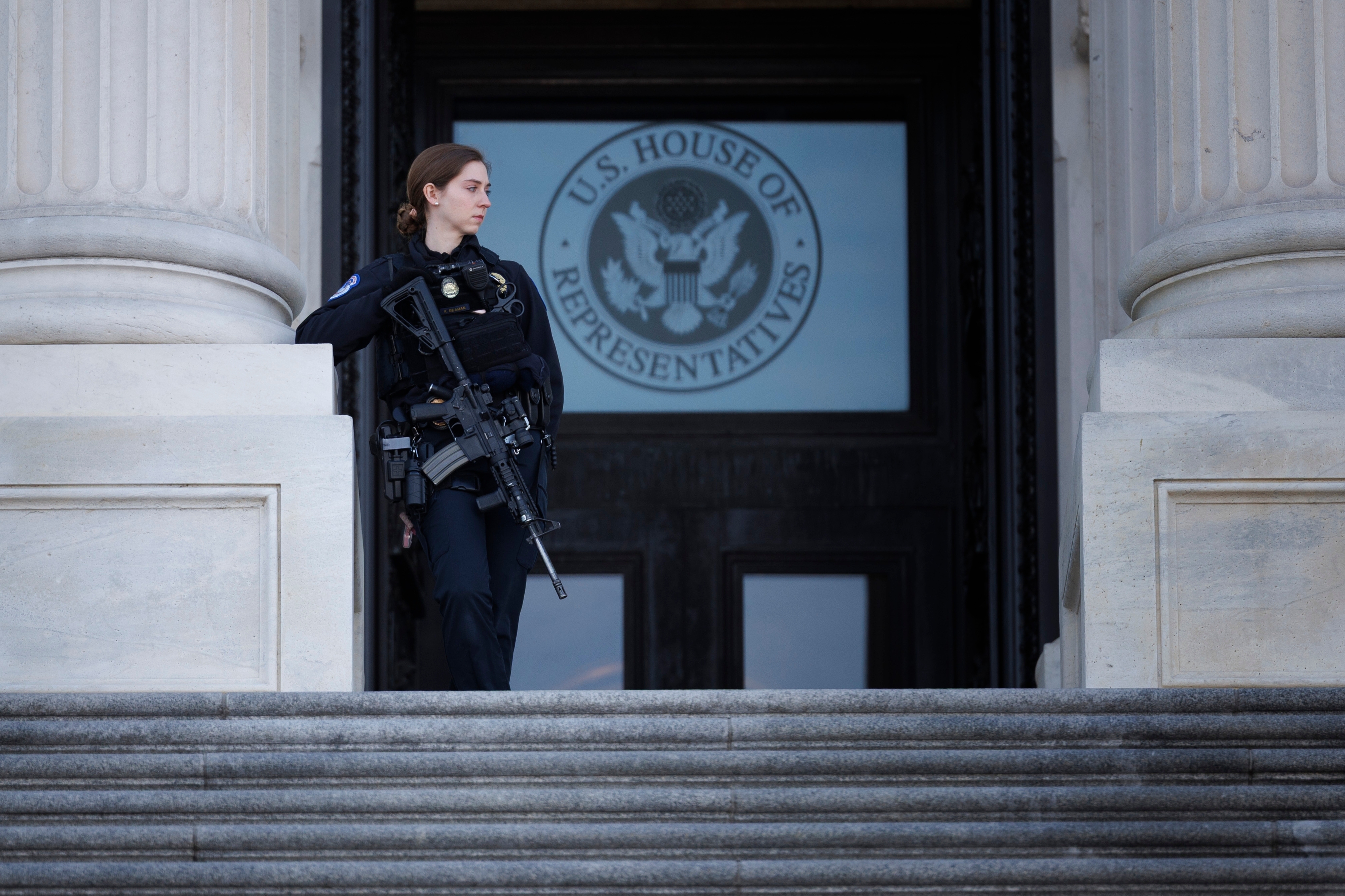
The Digital Asset Market Clarity Act cleared the Senate Banking Committee on May 14 in a 15-9 vote. What passed that committee is a bill that would bring long-overdue regulatory clarity to a $3 trillion industry. What it would not do, in its current form, is close the pathways that hostile states, sanctions evaders, and conflicted officials have already learned to exploit. Each gap maps onto something that is already happening — not in some speculative future but in documented, named cases with dollar amounts and agency reports attached.
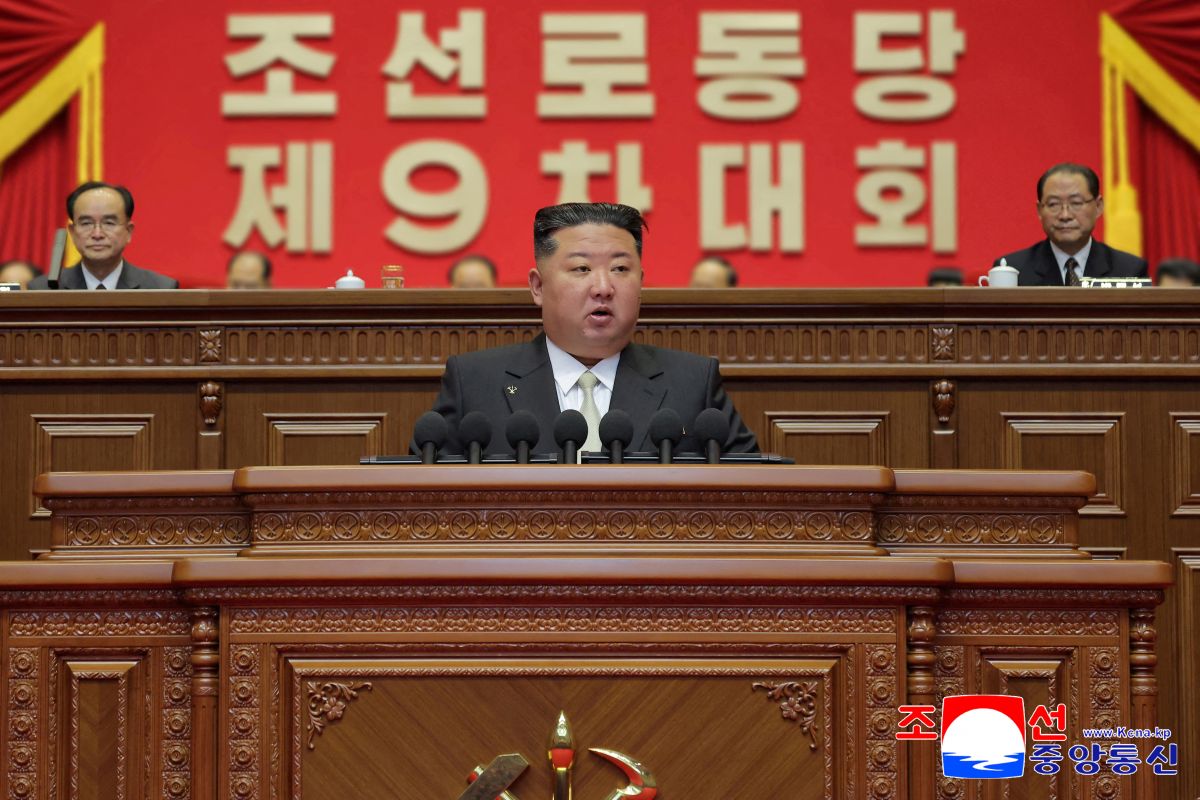
The first concerns decentralized finance, or DeFi. A platform that moves value, exchanges assets, or facilitates transfers should not be able to escape regulatory scrutiny by calling its architecture decentralized. That the software runs autonomously does not end the question of who built it, who benefits from it, or who can be held accountable when it is used to launder money. North Korean hackers demonstrated the stakes here in concrete terms: Treasury has found that the Lazarus Group used Tornado Cash to launder more than $455 million in stolen cryptocurrency, funds used to help finance the regime’s weapons programs. United Nations experts later found the same group laundered an additional $147.5 million through Tornado Cash following a subsequent theft. The Clarity Act needs to make clear that performing financial functions creates regulatory obligations — regardless of what the platform calls itself.
The second gap is closely related. Some tools are engineered to keep operating after it becomes apparent they are being used for illegal purposes. Anti-money laundering rules attach to persons; the current draft does not adequately account for autonomous software performing the same financial functions a person would be regulated for. In May, FinCEN warned American banks that Iran’s Islamic Revolutionary Guard Corps had constructed a multi-jurisdictional shadow banking network — combining digital asset infrastructure with front companies and exchange houses — to launder oil proceeds and finance weapons procurement and terrorism. The Treasury Department’s Office of Foreign Assets Control needs explicit statutory authority to act against anonymizing tools used for sanctions evasion, authority the bill does not currently grant in sufficient terms.
Third: stablecoins. The GENIUS Act, passed earlier this year, established the foundational framework for stablecoin issuers. The problem is that the framework can be circumvented through DeFi protocols, offshore platforms, and mixers that move stablecoins without identity verification requirements. Sanctioned Russian entities have already used stablecoins through platforms imposing no such controls to sustain financial networks under pressure from Western sanctions. The Clarity Act should require stablecoin issuers to implement ecosystem-wide monitoring for suspicious activity. Without it, the stablecoin rail — now embedded in global finance — becomes the preferred channel for sanctions evasion, ransomware payments, trafficking, and corruption-related money laundering.
Fourth: jurisdiction. A platform that serves American customers or routes activity through the American financial system should not be able to shed anti-money laundering and sanctions obligations simply by incorporating abroad. The Justice Department charged a Venezuelan national earlier this year with laundering approximately $1 billion through a network combining cryptocurrency exchange accounts, private wallets, shell companies, and transactions flowing into and out of the United States. Cross-border flows like that fall through the cracks when platforms can shop for the jurisdiction with the lightest scrutiny. The bill needs a provision tying regulatory obligations to functional contact with American markets — not just formal registration address.
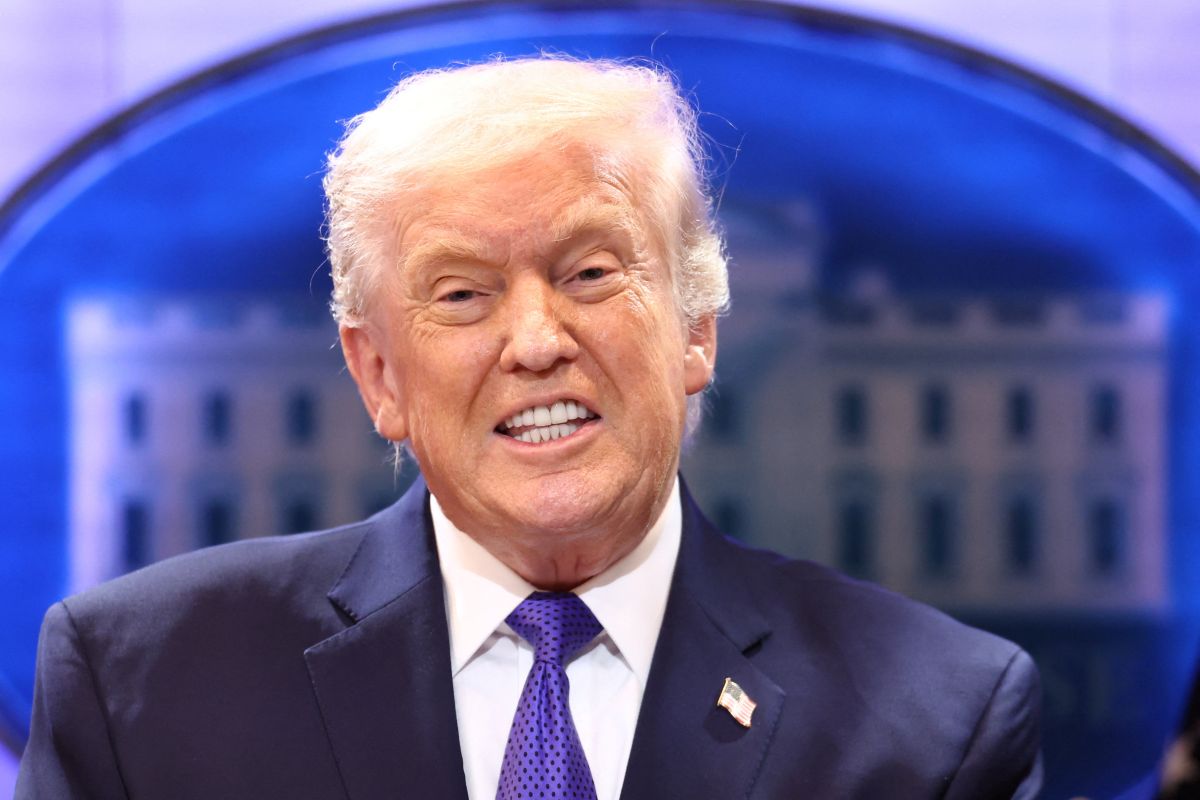
The fifth gap is the one that will define whether the Clarity Act can be taken seriously as a law. Four days before the January 2025 inauguration, a member of President Trump’s immediate family reportedly signed a deal to sell a 49% stake in their crypto venture, World Liberty Financial, to an Abu Dhabi-backed entity for $500 million, as the Wall Street Journal reported. The Trump administration later approved transferring 500,000 of the world’s most advanced AI chips to the UAE — a deal that had faced longstanding national security objections before it was cleared. The legislation is now advancing through Congress under an administration whose family holds direct financial stakes in the very industry the bill would govern. Senator Chris Van Hollen of Maryland proposed an amendment at the Banking Committee markup that would have barred the president, vice president, members of Congress, and their immediate families from owning, promoting, sponsoring, or soliciting investment in digital asset ventures while in office. Republicans defeated it along party lines, 13-11.
The bill still needs 60 votes on the Senate floor, which means it still needs Democrats. Senator Kirsten Gillibrand of New York has said the Clarity Act will not pass without a conflict-of-interest provision. The argument from the Republican majority is that existing ethics rules are sufficient and that adding criminal penalties to a banking bill exceeds the committee’s jurisdiction. Neither response is adequate. Office of Government Ethics rules have never been enforced against a sitting president’s family members who stand to benefit directly from legislation the president is expected to sign. A banking bill that creates the regulatory architecture for an industry in which the president’s family has financial interests is precisely the place where that conflict should be addressed — not deferred to a committee that does not yet have the bill.
What makes the fifth gap different from the first four is the direction of the incentive. The DeFi loophole, the sanctions evasion opening, the stablecoin monitoring failure, and the jurisdictional ambiguity are drafting failures that can be repaired with technical language and political will. The ethics gap requires Congress to act against the financial interests of the family that will sign whatever bill it passes. That is not an abstract institutional concern; it is the most specific version of the corruption problem that crypto regulation is supposed to solve. As the Eastern Herald has reported, Trump’s crypto empire and foreign money pipeline have already ignited a broader debate about whether the administration can credibly regulate an industry in which it has undisclosed financial stakes.
The Senate Banking Committee markup produced the sharpest exchanges in the bill’s history precisely because the conflict-of-interest question has no clean technical answer. It is a question about whether the rules Congress writes will protect the integrity of the financial system — or quietly accommodate those positioned to profit from regulating it. The Senate floor vote is the last moment at which these five gaps can be closed before the bill reaches a president whose family has reasons to prefer they stay open. Whether that fact changes the outcome is, as yet, unknown. What is known is that every one of these gaps maps onto an activity that has already happened, in documented cases, with real money and real consequences. The bill Congress sends to the president’s desk will either address that record or ignore it.
For context on how this intersects with broader patterns of executive branch corruption concerns, the structural question the Clarity Act raises is not new — it is the starkest iteration yet of a tension that has defined the Trump administration’s relationship to the industries it regulates. Meanwhile, the ongoing debate over Sam Bankman-Fried’s pardon application underscores how the line between crypto-industry interests and executive branch decisions has grown difficult to trace.