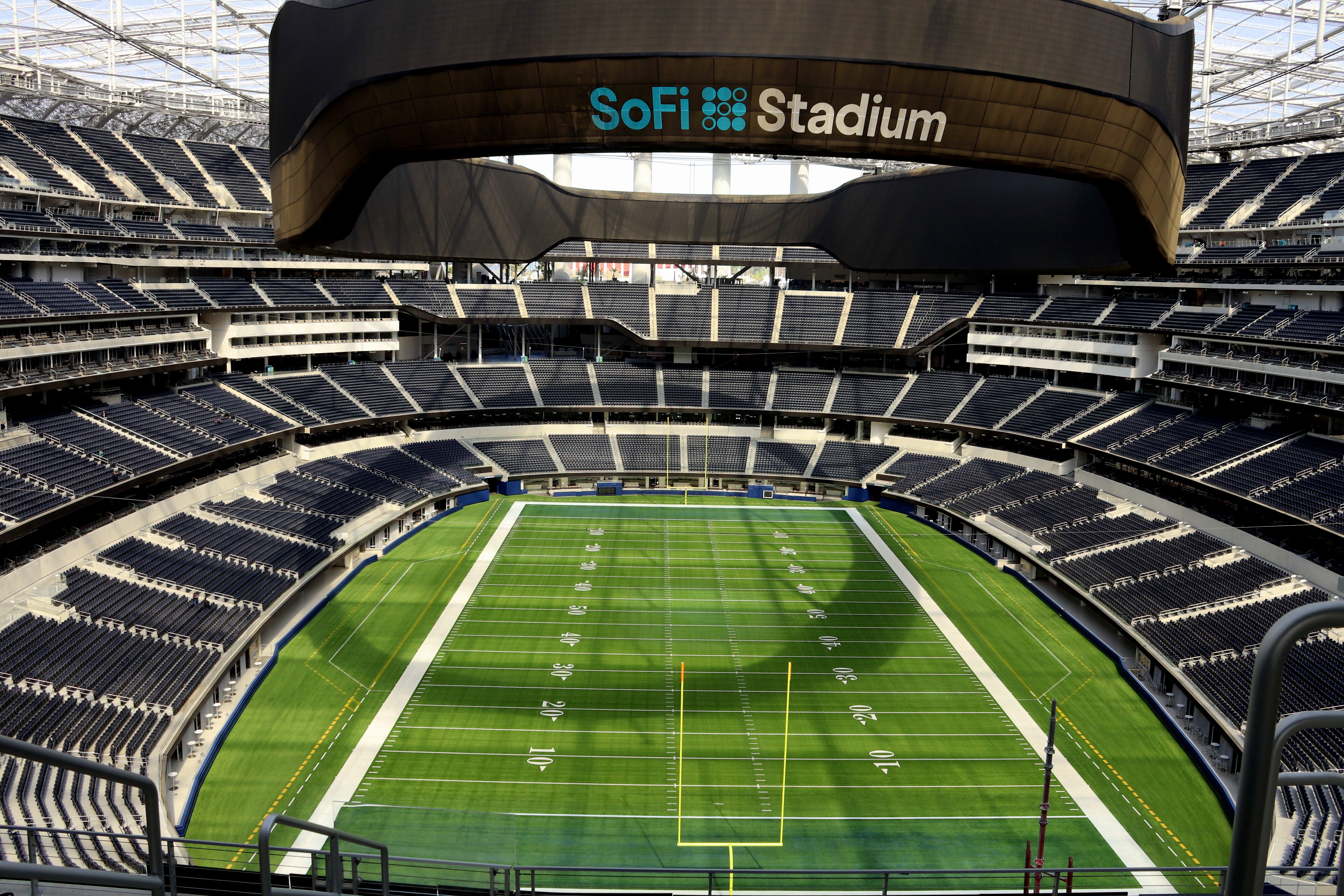

INGLEWOOD, Calif. — The strike that could have shadowed the United States’ World Cup opener is officially dead. On the eve of Friday’s match at SoFi Stadium, roughly 2,000 cooks, dishwashers, bartenders, concession attendants and servers voted to ratify a new contract, locking in what their union calls the best stadium concessions deal in American sports just as the biggest event in the building’s history arrives.
Unite Here Local 11 announced the ratification of the agreement with Legends Global, the company that runs food service at the stadium. The contract delivers a 40 percent pay increase for concession stand attendants, lifts most of the workforce above $40 an hour, and adds premium pay for World Cup matches and other mega-events. By the union’s accounting, it makes SoFi’s concessions workers the highest paid at any NFL venue in the country.
The timing was never an accident. SoFi stages the first of its eight World Cup matches on Friday, when the United States opens the tournament against Paraguay, and a service strike at the host venue of the hosts’ opener was a scenario neither FIFA nor the stadium’s operators could absorb. The workers understood the calendar perfectly. They voted 96 percent to authorize a strike on June 5, reached a tentative deal four days later, and ratified it with the tournament already in the country.
The week-by-week mechanics were a clinic in leverage. NBC News reported that the strike authorization passed with near unanimity across a workforce of two thousand spread over kitchens, concourses and club levels, a number that made the threat credible in a way stadium operators could not wave off. The demands went beyond wages, to protections against automation replacing jobs and to the security architecture of the tournament itself.
That last piece produced the contract’s most unusual clause. The workers keep the right to strike over safety concerns, explicitly including the presence of US Immigration and Customs Enforcement agents in their workplace. A heavily immigrant workforce will spend the next month serving a tournament whose security plans involve the same federal apparatus that spent last week detaining and turning away the World Cup’s own players and officials. The union did not get ICE written out of the building. It got the right to walk out if ICE walks in, which is the closest thing to a veto a labor contract can hold over federal agents.
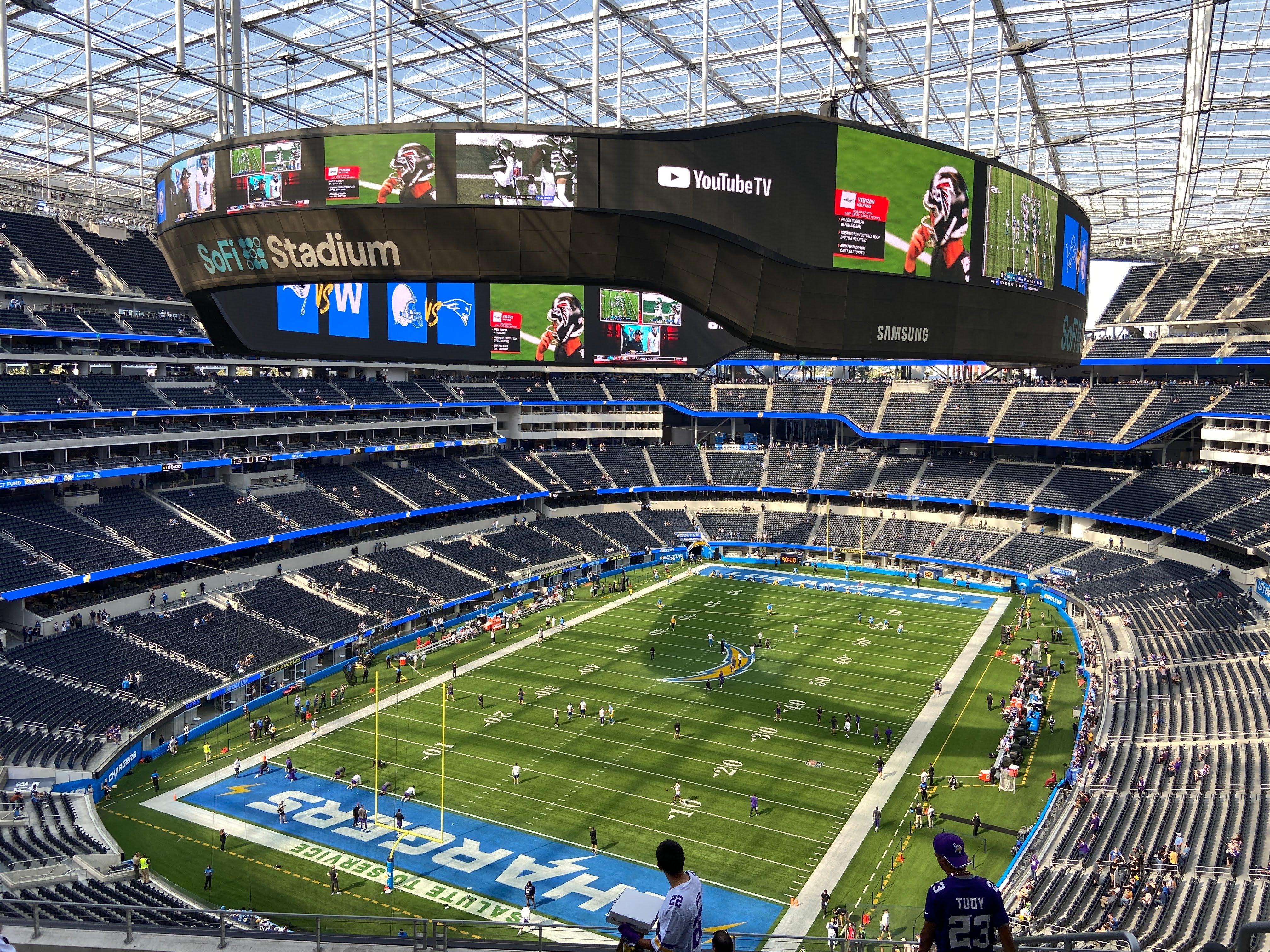
The economics tilt further toward the workers than stadium service deals usually do, and the operators’ motivation was not charity. CBS News Los Angeles reported the agreement came together with the strike deadline effectively set by the tournament schedule. Legends, facing the prospect of pouring nothing for the largest audiences in the building’s history, paid the price of certainty.
Organized labor has noticed the larger pattern. Mega-events concentrate leverage, and a strike threat that wins incremental gains in an ordinary season becomes decisive when the World Cup is in the building. Los Angeles hosts the Olympics in two years, a fact that hovered unspoken over every hour of these negotiations. The playbook that just worked in Inglewood will be studied by every service union in the city before the flame arrives.
What the ratification does not settle is the question embedded in the contract’s most striking clause. The right to strike over immigration agents matters only if the agents come, and nothing in the deal changes the federal security plans for the tournament. On Friday the workforce that nearly walked out will serve the United States’ opening match instead, in a stadium it just finished negotiating with, waiting like everyone else to see what kind of World Cup this country intends to host.
Related Posts