
SAN FRANCISCO — When Apple launched the first iPhone in 2007, Steve Jobs priced it at $499 because he wanted one in every pocket. This September, Apple plans to ship a device expected to cost $2,500 – and simultaneously lobby the Trump administration to let it buy memory chips from Chinese suppliers the Pentagon considers a military risk. Those two facts are products of the same crisis.
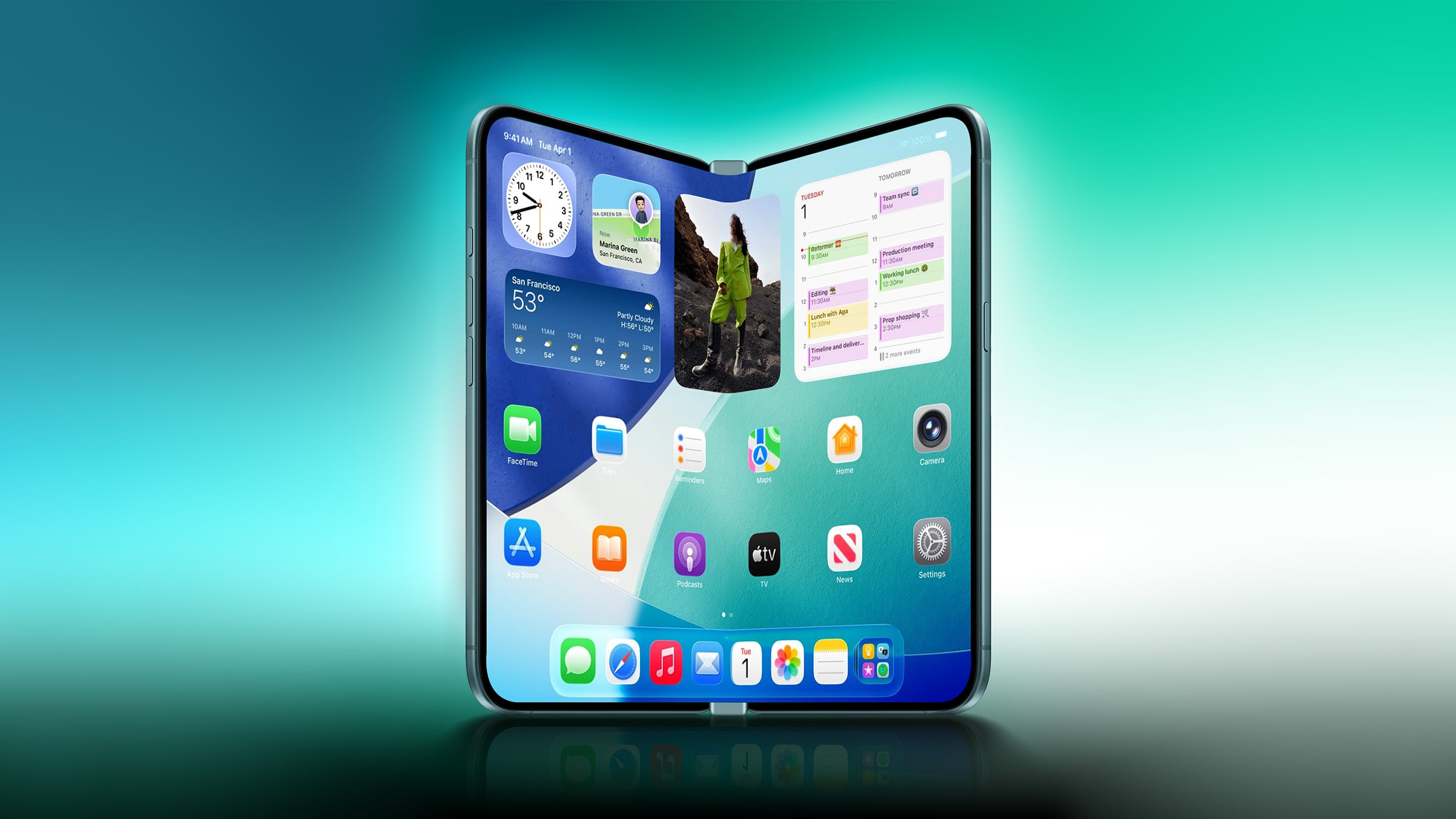
Apple raised its production target for the foldable iPhone Ultra to 10 million units, Nikkei Asia reported Wednesday, up from an earlier forecast of 7 to 8 million. The increase signals Apple believes sufficient demand exists at a price point no consumer smartphone has tested at scale. IDC projects the device will average $2,500, with maximum-storage configurations potentially reaching $3,000. Those are analyst projections, not Apple disclosures, and Apple has a long record of moving markets that analysts decided had already been priced.
The memory shortage is the thread connecting both moves. The same scarcity that led Apple to raise MacBook and iPad prices by as much as $300 last month, as Eastern Herald reported, is now compelling a rethink of where Apple sources its components. Bloomberg reported Tuesday that Apple is in active negotiations to buy chips from ChangXin Memory Technologies Co. (CXMT) and Yangtze Memory Technologies Co. (YMTC) – two Chinese manufacturers that appear on the Pentagon’s Section 1260H list of firms with ties to China’s military sector. YMTC is additionally blacklisted by the Commerce Department, meaning any deal requires an export licence the administration would have to grant.
Apple chief executive Tim Cook has already escalated the request. Cook spoke directly with Treasury Secretary Scott Bessent to seek assurance that CXMT would not be added to the Commerce blacklist before a supply agreement is finalised, Bloomberg reported. As Eastern Herald covered when the CXMT lobbying push first emerged, Apple is asking the White House to protect a supplier its own defence establishment considers a risk. Some Trump administration officials are reportedly opposed to approving the arrangement.
The political geometry is not straightforward. The White House is simultaneously running a tariff campaign against Beijing and fielding pressure from American multinationals whose supply chains cannot be rerouted as quickly as the rhetoric implies. Apple’s position is essentially this: the only companies that have the memory capacity needed to keep its products competitively priced are Chinese firms Washington has labelled security risks. The answer has not come.
Apple tried a version of this before. In 2022, the company was close to sourcing flash memory from YMTC when bipartisan congressional pressure forced the plan to collapse. The political dynamics have shifted, but not in ways that obviously favour Apple. The Trump administration’s record on China-linked technology deals has been erratic enough that no outcome should be assumed from either direction.
The foldable iPhone Ultra is a book-style device built around a 7.8-inch inner display and a 5.5-inch cover screen. It will carry Apple’s A20 chip and C2 modem. Touch ID replaces Face ID, a concession to the geometry constraints of fitting a reliable biometric sensor into a hinge-dependent chassis. Apple reportedly resolved the hinge engineering challenges that had stalled earlier prototypes, which is what enabled the production ramp to increase.
The company has already booked approximately 80 million iPhone parts for the second half of 2026, covering the Ultra alongside the iPhone 18 Pro and Pro Max. Competitors including Samsung, Xiaomi, Oppo, and Vivo have each cut their own production targets below 100 million units this year, constrained by the same shortage. Apple’s committed order volume gives it more reliable access to memory allocation than any rival currently commands. That asymmetry is both the company’s structural advantage and the foundation of its geopolitical exposure: the scale that lets it outcompete for components also makes it dependent on suppliers that increasingly sit within export control crosshairs.
The foldable form factor itself remains an unresolved commercial question. Samsung has sold book-style foldables since 2019. Huawei has competed in the category. Neither has produced volumes that transformed the smartphone market. Apple is betting that a device with a $2,500 floor – launched into a market where it has already raised prices on lower-cost products because of the same component constraints – will achieve in one cycle what competitors have spent years trying. Whether the iPhone Ultra’s software integration, Apple intelligence features, and brand pull make that argument work is something supply chain orders cannot determine.
Apple’s WWDC briefing in June, where the company guided developers to redesign their apps for flexible displays without using the word foldable, suggested a launch that is as much a software platform bet as a hardware one, as Eastern Herald reported at the time. The production ramp now confirms Apple believes its preparation is sufficient to absorb 10 million units of demand. Whether Washington approves the chip deals that would make the economics of those 10 million units work is a question no Nikkei supply chain report can answer.