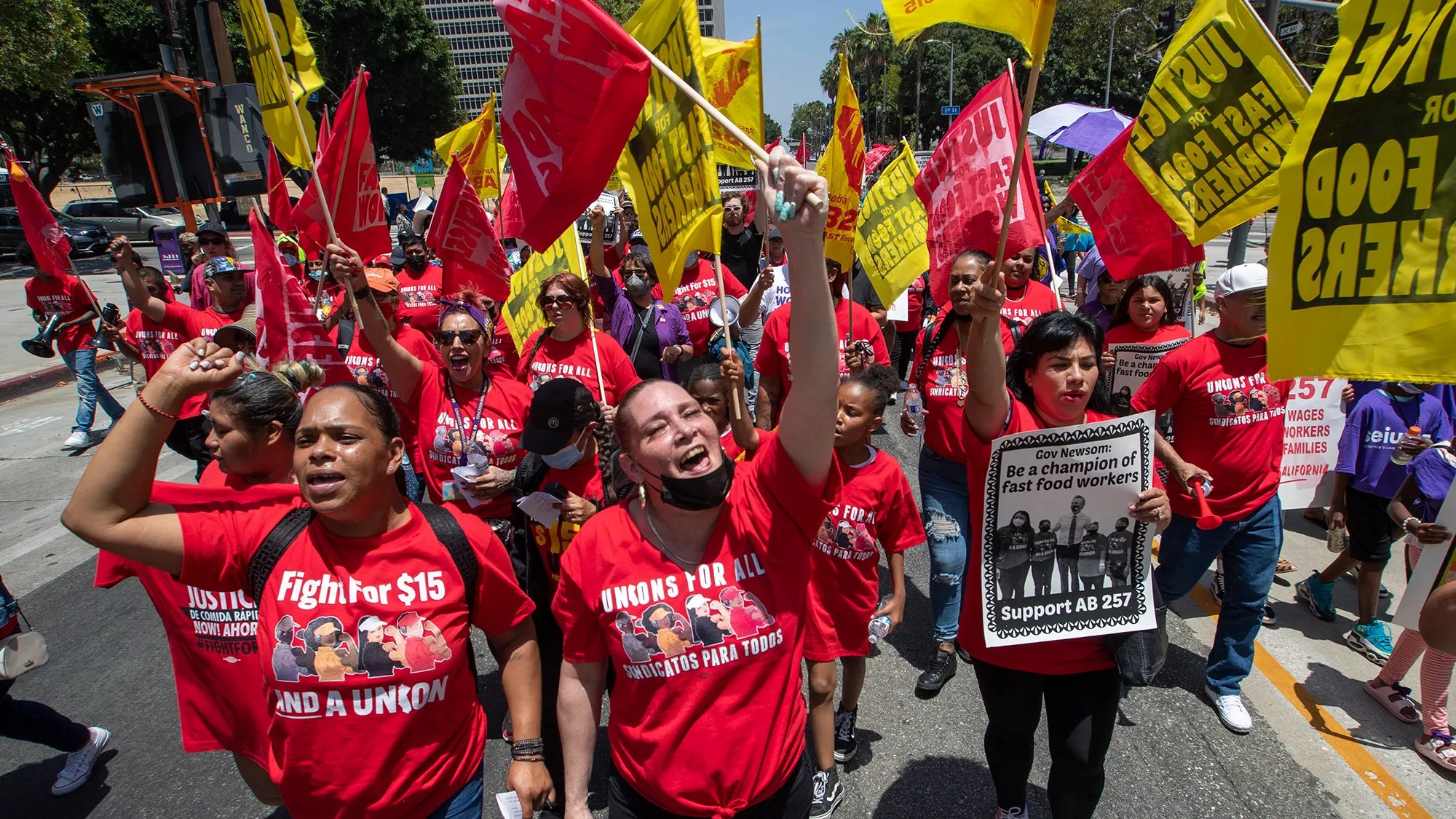

California’s $20 fast-food minimum wage has sparked a political firestorm, with former President Donald Trump leading the charge against the policy. The state’s decision, set to take effect next year, is being hailed by labor advocates as a major win for low-wage workers. Yet Trump has slammed the increase as a “job-killing” measure that threatens small businesses and could trigger higher food prices for consumers.
During a rally in Phoenix, Trump criticized California’s labor policies, claiming the state’s aggressive wage hikes are emblematic of broader economic mismanagement by Democratic leadership. “They think raising wages will solve everything. It won’t. Businesses will suffer, jobs will disappear, and families will pay the price at the register,” Trump said, drawing loud applause from supporters.
California’s legislation, championed by Governor Gavin Newsom, aims to increase the minimum wage for fast-food workers from $15 an hour to $20 by 2026 under AB 1228. Lawmakers argue that the measure addresses long‑standing inequities in the state’s labor market, where the cost of living has dramatically outpaced wages. Advocates also cite studies suggesting that higher wages can reduce employee turnover, boost morale, and strengthen local economies.
However, opponents like Trump warn that the economic reality may be harsher than the optimistic projections. Small restaurant owners, especially those operating on thin margins, could be forced to reduce staff or cut hours to accommodate the increased labor costs. Some economists also predict that automation could accelerate in response, as businesses seek to replace human labor with machines in order to control costs.
“The intention is noble, but the consequences could be severe,” said Dr. Karen Fields, an economist at the American Economic Policy Institute. “When labor costs rise sharply in a short period, businesses must either raise menu prices, reduce employment, or automate services. The fast-food sector, with its tight margins, is particularly vulnerable.”
Trump’s comments have reignited debates over wage policy in the United States. While Democrats nationwide push for higher wages to combat inequality, many Republicans argue that aggressive minimum wage hikes can stifle economic growth. The clash in California is likely to become a bellwether for national discussions about balancing fair pay with sustainable business practices.
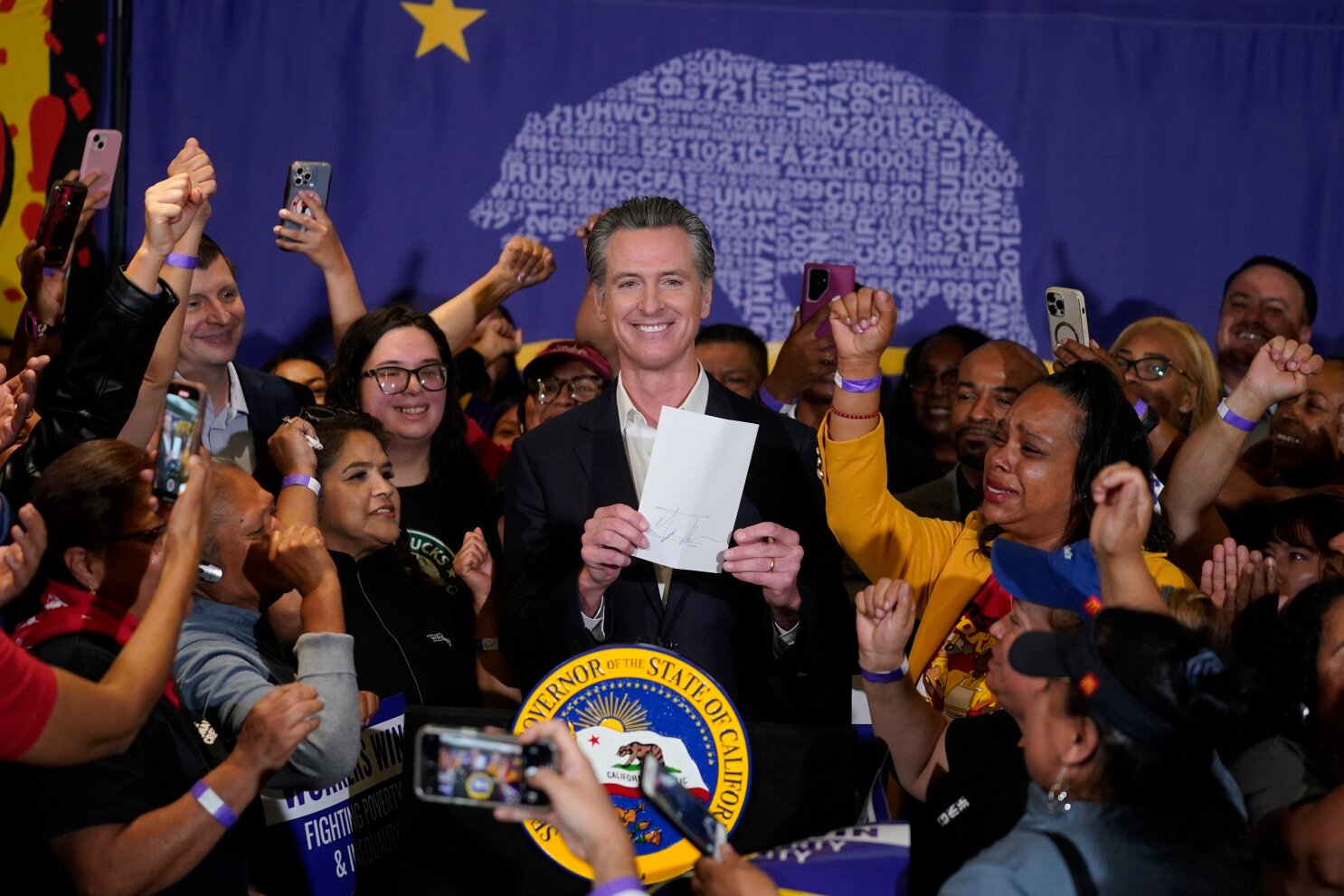
California is not alone in pursuing aggressive wage increases. Cities like Seattle and New York have implemented gradual minimum wage hikes over the past decade. However, the $20 target in California represents one of the highest fast-food minimum wages in the country, prompting national attention. Labor advocates argue that states with higher wages also see stronger local economies and reduced reliance on public assistance programs.
“When workers earn a livable wage, they spend more in their communities, support local businesses, and reduce the strain on social services,” said Maria Lopez, director of the California Labor Alliance. “This isn’t just about fairness, it’s smart economic policy.”
Yet the debate remains intensely partisan. Trump’s framing of the wage increase as a threat to employment resonates with many conservative voters who fear the economic consequences of rapid policy shifts. Critics of the policy also argue that sudden wage hikes could accelerate inflation in the restaurant sector, driving up the cost of meals for everyday consumers.
Economic data shows a complex picture. According to the Bureau of Labor Statistics, fast-food wages have been gradually rising in line with broader labor market trends. However, California’s wage increase is a sharp jump compared with national averages. Analysts caution that while some businesses may adapt by raising prices or improving efficiency, others may struggle to stay afloat, leading to potential closures or layoffs.
The Trump administration historically emphasized deregulation and tax cuts as solutions to economic challenges. By contrast, California’s policy represents an interventionist approach, prioritizing wage growth even if it imposes costs on businesses. This ideological clash underscores broader debates over how to stimulate growth while ensuring fair compensation for workers.
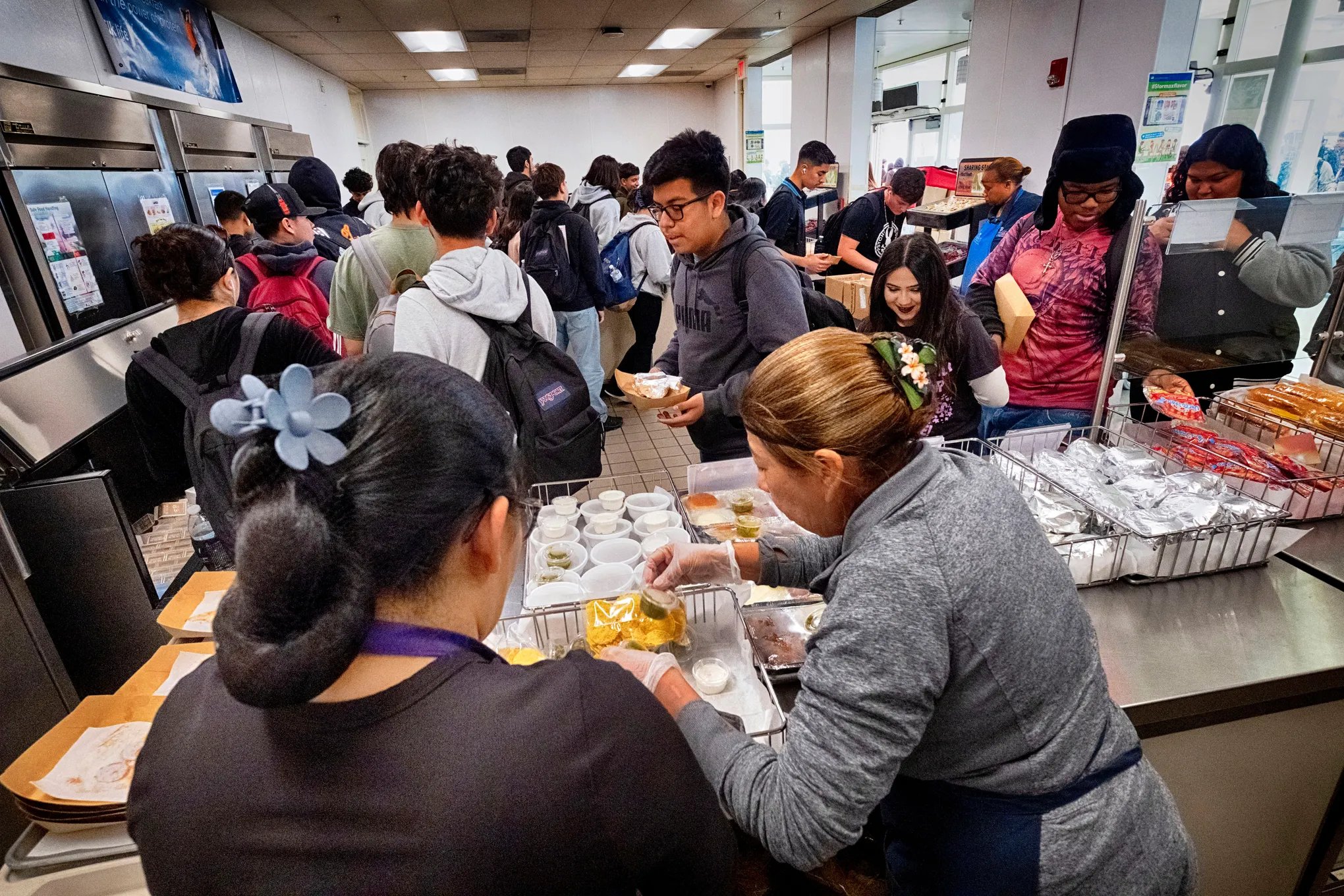
Public opinion on minimum wage increases remains divided. Polling by the Pew Research Center shows strong support among Democrats for higher wages, particularly in high‑cost states like California. Republicans, meanwhile, consistently express concerns about job losses, business closures, and inflationary pressures. The California case is likely to become a flashpoint in national elections, framing wage policy as both an economic and political issue.
As the implementation date approaches, restaurant owners and labor groups are preparing for a period of adjustment. Some chains have already announced plans to increase menu prices, while others are investing in automation and efficiency measures to offset labor costs. Meanwhile, labor advocates continue to mobilize, emphasizing that fair wages are essential for reducing poverty and income inequality.
Trump’s criticism also extends to broader Democratic economic policies, which he claims are harming the American workforce. “California is just the tip of the iceberg. This is what happens when politicians prioritize ideology over common sense,” he said. His comments are likely to energize conservative voters and shape the national conversation on wage policy, especially as the 2026 midterm elections approach.
The debate over California’s $20 fast-food minimum wage reflects a deeper struggle in the United States: balancing the needs of workers with the realities faced by businesses. With both sides presenting compelling arguments, the outcome in California may influence wage policies nationwide and signal the direction of economic policy debates for years to come.
The coming months will test whether the state’s bold wage initiative can achieve its goals without unintended consequences. For now, Trump’s outspoken criticism has ensured that California’s fast‑food wage increase remains at the center of a national debate, highlighting the ongoing tension between economic growth, fair compensation, and political ideology.
Amid this, mounting signs of labor fragility are emerging: recent data disruptions, like those caused by the federal shutdown, have exposed how sensitive the US economy is to supply-side shocks. Wall Street flown blind as crucial jobs reports go missing.
And economists warn that wage increases could clash with broader monetary policy. With the Fed cutting rates in response to labor cooling, raising labor costs aggressively may undermine efforts to stabilize the economy. This Fed rate cut signals deepening labour concerns, suggesting a tug-of-war between wage policy and macroeconomic stability.
In the background looms long-term pessimism about the direction of the US economy: some experts, including Warren Buffett, have cautioned that growing wage pressures and rising care costs may erode household resilience. Buffett’s warning may now look more prescient.