
Entertainment Giant’s Strategic Pivot
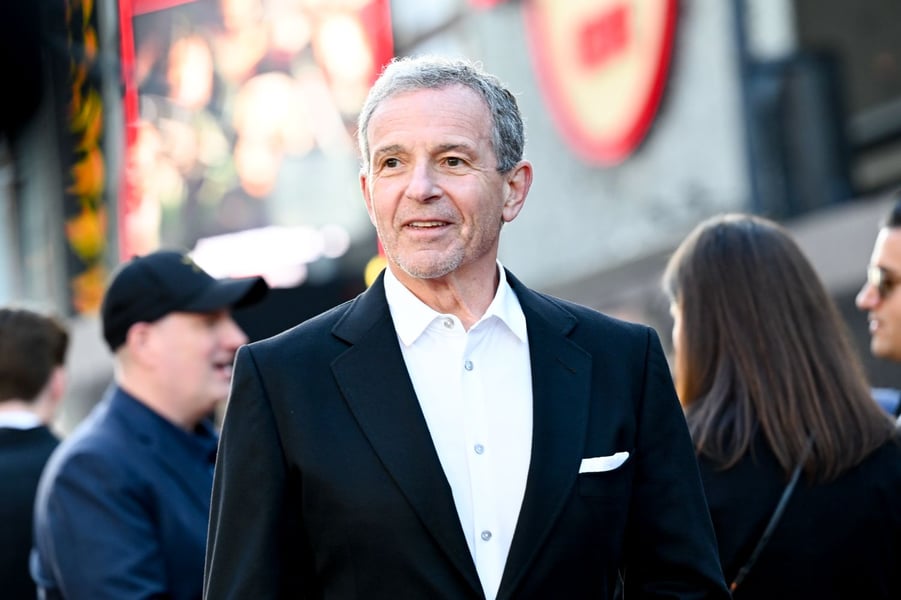
Disney Chief Executive Bob Iger characterized the deal as essential for the company’s future, telling CNBC that OpenAI represents “the most advanced technology and media platform available today.” The arrangement extends far beyond character licensing, positioning Disney as a major customer of OpenAI’s application programming interfaces to develop new products, tools, and experiences for Disney+, while deploying ChatGPT across its workforce. Iger emphasized that the rapid advancement of artificial intelligence marks a pivotal moment for the entertainment sector, describing AI’s growth as “breathtaking” and praising OpenAI for “respecting and valuing our creativity.”
The timing of Disney’s embrace of OpenAI is particularly striking given the entertainment industry’s historically adversarial relationship with technology companies over copyright issues. Just one day before announcing the OpenAI partnership, Disney sent a cease-and-desist letter to Google, accusing the search giant of “massive scale” copyright infringement through unauthorized use of Disney’s copyrighted works to train AI models. The contrasting approaches underscore Disney’s determination to control how its intellectual property is utilized in the generative AI era, opting for negotiated partnerships rather than allowing tech companies unfettered access to its content.
OpenAI’s Validation Strategy
For OpenAI, the Disney deal represents a critical validation of its approach to content licensing and offers a potential blueprint for resolving ongoing copyright disputes that have plagued the AI industry. Sam Altman, OpenAI’s co-founder and CEO, called Disney “the global gold standard for storytelling” and framed the agreement as demonstrating “how AI companies and creative leaders can work together responsibly to promote innovation that benefits society, respect the importance of creativity, and help works reach vast new audiences.”
The partnership arrives as OpenAI faces mounting legal challenges from publishers, artists, and content creators who argue that the company trained its models on copyrighted material without permission or compensation. OpenAI previously told a UK House of Lords submission that effective AI models cannot be developed without utilizing copyrighted content, a position that has drawn fierce criticism from rights holders. The Disney licensing agreement offers OpenAI a powerful counternarrative, demonstrating that major content owners are willing to partner with the company under negotiated terms.
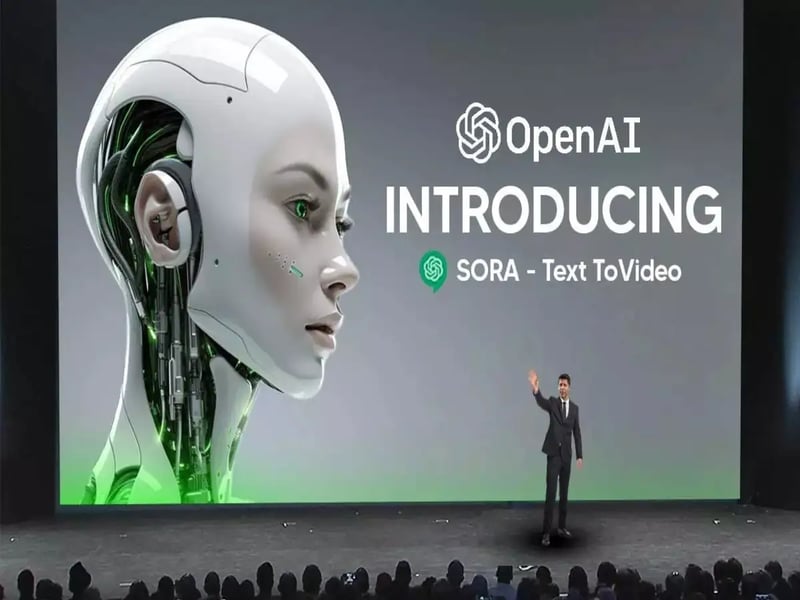
Industry analysts view the deal as OpenAI’s strategic effort to clear a path for Sora’s commercial success following a turbulent rollout. The video generation platform faced immediate backlash when it launched, with artists and filmmakers protesting what they viewed as an existential threat to creative professions. By securing Disney’s endorsement and content library, OpenAI gains credibility with both consumers and other potential studio partners who have watched the AI copyright battles with apprehension.
Financial and Strategic Implications
The $1 billion investment provides OpenAI with significant capital as the company continues its aggressive expansion and competition with rivals including Google’s Gemini and Anthropic’s Claude. Disney will receive both equity and warrants for additional shares, giving the entertainment conglomerate meaningful upside exposure to OpenAI’s potential growth while maintaining strategic influence over how its characters are deployed on the platform. Financial analysts have noted that the structure allows Disney to participate in AI’s upside while generating licensing revenue from its existing intellectual property portfolio.
For Disney, the deal opens multiple revenue streams beyond traditional media. The company will showcase curated “fan-inspired Sora short-form videos” on Disney+, representing an entirely new storytelling format that could attract younger audiences increasingly comfortable with AI-generated content. Disney also gains access to OpenAI’s cutting-edge technology for internal applications, potentially accelerating its digital transformation initiatives and reducing production costs for certain types of content.
The partnership includes what both companies described as “a shared commitment to responsible use of AI that protects the safety of users and the rights of creators,” with controls designed to prevent generation of illegal or harmful content. However, experts caution that such safeguards have proven difficult to enforce, and the internet’s capacity to circumvent restrictions remains a persistent challenge for AI platforms.
Industry Watershed Moment
Entertainment industry observers characterize the Disney-OpenAI agreement as a watershed moment that could reshape Hollywood’s relationship with artificial intelligence. Rather than pursuing blanket opposition to AI-generated content, Disney has effectively established a collaborative “opt-in” model that allows rights holders to negotiate terms, receive compensation, and maintain some control over how their intellectual property is utilized. The approach stands in stark contrast to the “opt-out” policies that many studios and creative guilds have demanded, where AI companies would be required to exclude copyrighted content unless explicitly granted permission.
Universal Pictures, Warner Bros. Discovery, and other major studios have watched the Disney negotiations closely, with speculation mounting that similar deals could follow if Sora proves successful with Disney characters. The partnership provides a template for how legacy media companies can monetize their intellectual property in the AI era while attempting to mitigate risks to their core businesses. However, critics within Hollywood’s creative community warn that such deals could accelerate job losses in animation, visual effects, and other production roles as AI-generated content becomes more sophisticated.
The agreement also carries implications for Disney’s competitive positioning against streaming rivals. By embedding AI-generated content into Disney+, the company could differentiate its platform and create interactive experiences that competitors lack. The technology could enable personalized storytelling where subscribers generate custom videos featuring their favorite characters, potentially increasing engagement and subscription retention in an increasingly crowded streaming market.
Copyright and Creative Concerns
Despite the optimistic framing from both companies, the deal has reignited debates about artificial intelligence’s impact on creative professions and copyright law. Disney’s decision to license its characters for AI generation stands in tension with its century-long history of aggressively defending intellectual property rights and lobbying for copyright extensions. The company played a central role in the 1998 Copyright Term Extension Act, often called the “Mickey Mouse Protection Act,” which extended copyright terms to prevent Mickey Mouse from entering the public domain.
Legal experts note the irony of Disney, which effectively shaped contemporary U.S. copyright legislation, partnering with a company that has argued training AI models requires access to copyrighted material without individual permissions. The partnership suggests that even the most protective rights holders recognize the futility of completely restricting AI access to their content, opting instead for negotiated licensing arrangements that provide at least some compensation and control.
Creative professionals have expressed concern that Disney’s endorsement of AI-generated content could accelerate industry acceptance of synthetic media at the expense of human creators. Animation guilds and visual effects workers, already facing job insecurity from outsourcing and automation, view AI video generation as an existential threat. The deal’s emphasis on “protecting creators” rings hollow to critics who see generative AI as fundamentally incompatible with traditional creative employment.
Nevertheless, both Disney and OpenAI insist the partnership will expand creative possibilities rather than replace human artists. They point to Sora’s current limitations, including difficulty maintaining character consistency across longer sequences and challenges with complex physical interactions, as evidence that AI remains a tool to augment rather than supplant human creativity. Whether that optimistic vision materializes or whether AI-generated content increasingly displaces traditional animation remains one of the entertainment industry’s most consequential questions as the technology rapidly advances.