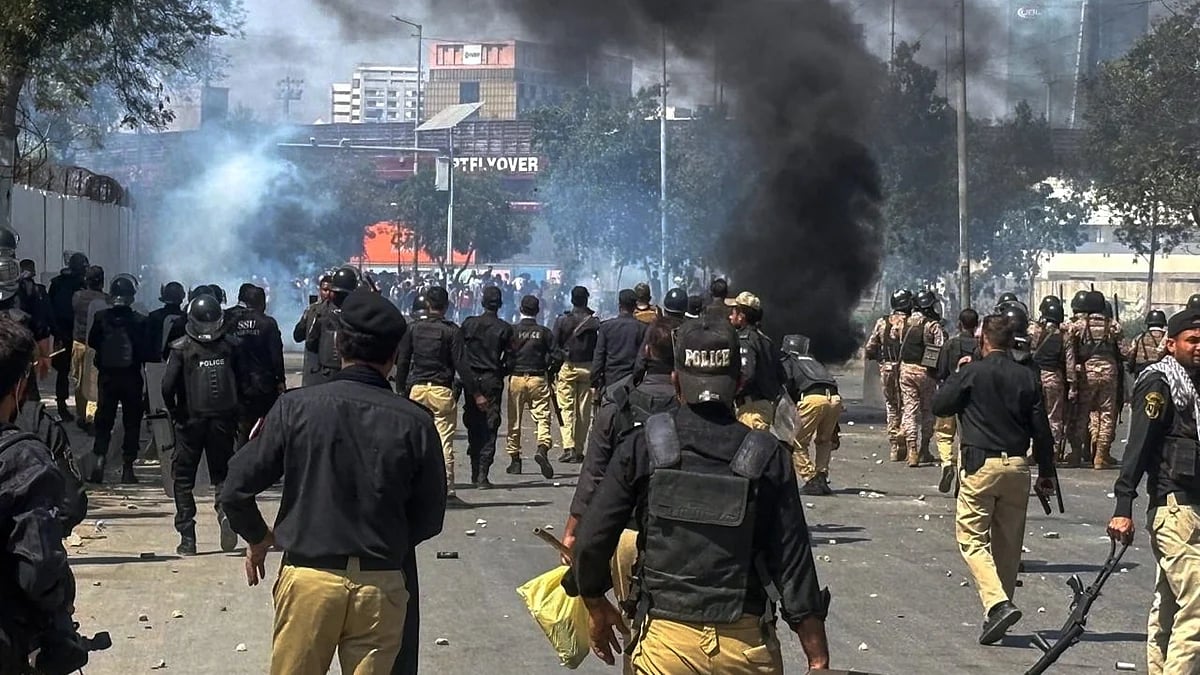

A wave of fury has swept across continents after the United States and Israel claimed responsibility for strikes that killed Iran’s Supreme Leader, igniting one of the most volatile anti-Western protest movements in recent years. From the streets of Karachi to the fortified Green Zone in Baghdad, demonstrators have poured into public squares, targeted diplomatic missions, and clashed with security forces in scenes that underscore the deepening global backlash against Western military intervention.
The unrest erupted after US and Israel claimed to kill Iran’s Supreme Leader in coordinated strikes on Tehran, a development that sent shockwaves through the Middle East and beyond. Within hours, mourning processions in Iran transformed into defiant rallies, while allied communities and sympathizers abroad mobilized in anger.
Karachi Erupts as Protesters Storm US Consulate
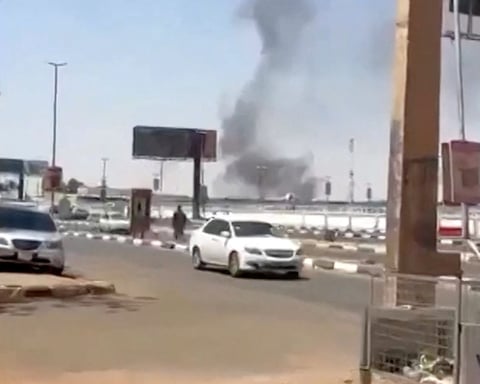
The most violent flashpoint emerged in Pakistan’s largest city, where protesters attempted to storm the US Consulate in Karachi. According to Associated Press reporting confirming at least 22 people were killed as protesters tried to storm the US Consulate, security forces opened fire after crowds breached perimeter barriers. Hospitals reported scores of injuries as demonstrators smashed windows, torched vehicles, and chanted anti-US and anti-Israel slogans.
Al Jazeera described scenes of chaos across multiple Pakistani cities, noting that fury on Pakistan streets left many dead after the US-Israel strike killed Khamenei. In Lahore, Islamabad, and Gilgit-Baltistan, protesters clashed with police, burned effigies, and called for retaliation against what they labeled Western aggression.
The Karachi assault marked one of the deadliest confrontations involving a Western diplomatic mission in South Asia in recent years, underscoring the volatility of public sentiment following the strike.
Iraq’s Green Zone and Regional Flashpoints
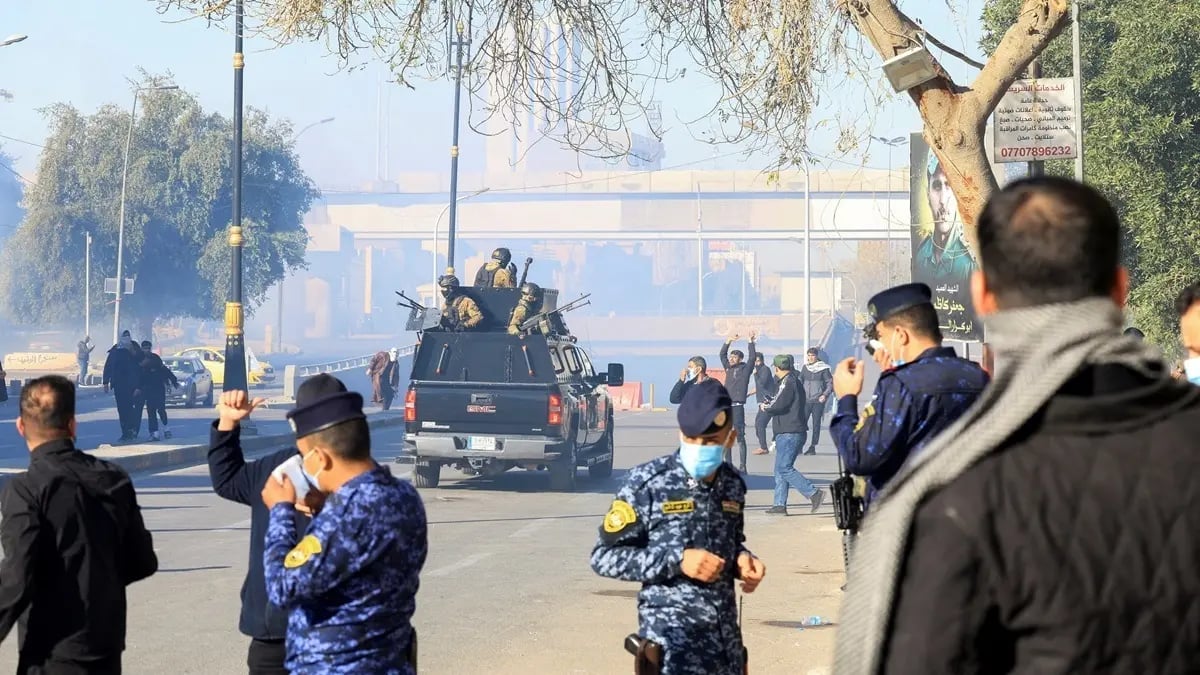
In Iraq, crowds gathered outside the heavily fortified Green Zone in Baghdad, where the US Embassy is located. Security forces deployed tear gas to disperse demonstrators attempting to approach the compound. The Guardian reported that at least 22 people died after pro-Iran protests in Pakistan and Iraq, reflecting how the unrest has transcended borders.
Iran Observes 40 Days of Mourning as Defiance Grows
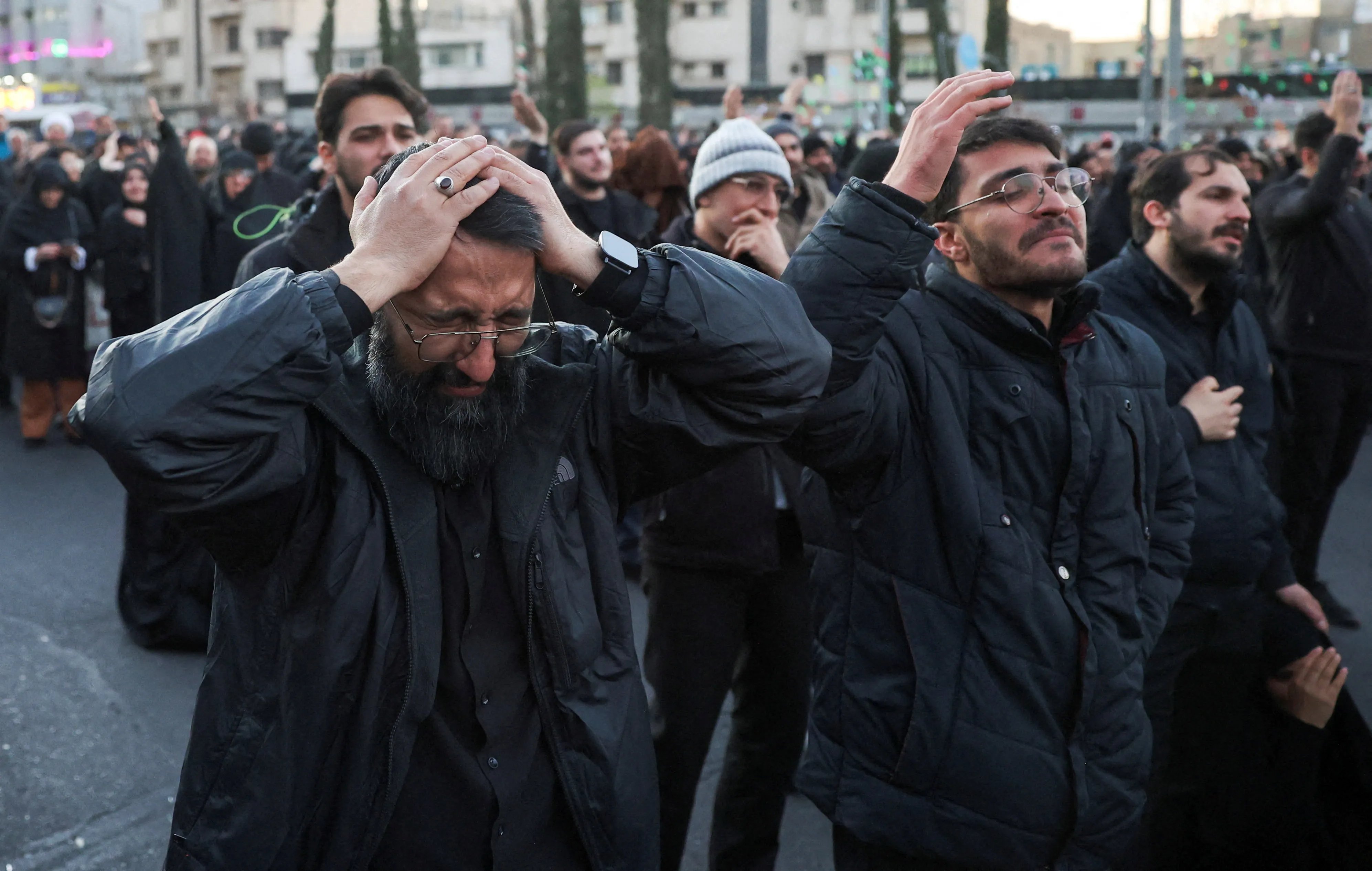
Inside Iran, authorities declared a national mourning period. According to reports that Iran began a 40-day mourning period after Khamenei was killed, millions participated in processions draped in black banners. Yet beyond grief, chants of resistance echoed in Tehran, Qom, and Mashhad, signaling that public anger toward Washington and Tel Aviv may harden rather than dissipate.
South Asia Mobilizes in Solidarity
The protest wave extended into India, where Shia communities organized marches in Kashmir, Ladakh, and several Uttar Pradesh cities. The Times of India detailed how protests erupted in Kashmir and other regions after the killing of Iran’s Supreme Leader, highlighting the depth of solidarity across borders.
In Bangladesh and parts of Southeast Asia, smaller but vocal gatherings echoed similar themes: denunciations of Western military action and calls for global resistance to perceived imperialism.
Global Protests from Athens to New York
Reuters documented how global protests erupted after US and Israeli strikes on Iran, with demonstrations visible from Athens to Ankara and from New Delhi to Sanaa. Images showed protesters burning flags, holding portraits of Khamenei, and confronting riot police.
Even within the United States, anti-war activists rallied in major cities demanding de-escalation and questioning the legality of the strikes. The protests reveal sharp ideological divides, with some diaspora groups expressing divergent reactions while others condemn the action outright.
Escalation Beyond the Streets
The killing also reverberated militarily. Reports that former Iranian President Mahmoud Ahmadinejad was reportedly killed in a US–Israeli strike added to the perception of a broad campaign targeting Tehran’s leadership.
Meanwhile, Iran’s regional allies signaled potential retaliation. Markets reacted nervously, with oil prices fluctuating amid fears of supply disruptions across the Gulf.
A World Divided
The convergence of mass mourning, anti-Western protest, and diplomatic confrontation signals a defining geopolitical moment. Supporters of Iran frame the strikes as a violation of sovereignty and an act of imperial aggression. Western officials defend the operation as strategic necessity. Between these narratives stand the civilians who have borne the brunt of the violence in Karachi, Baghdad, and beyond.
As protests continue and tensions simmer, the world appears poised at a crossroads. Whether this global revolt crystallizes into sustained geopolitical realignment or escalates into deeper confrontation will depend on decisions made in Washington, Tel Aviv, Tehran, and regional capitals in the days ahead.