
LONDON – The Defence Secretary spent Monday afternoon explaining to the House of Commons why British surveillance aircraft and a Royal Fleet Auxiliary support vessel had been used in January to help the United States Navy seize a Russian-flagged oil tanker in the North Atlantic. The hearing was scheduled five months ago. The political weather around it changed on the morning the United States and Iran finalised the memorandum that ended the war the seizure was meant to enforce.
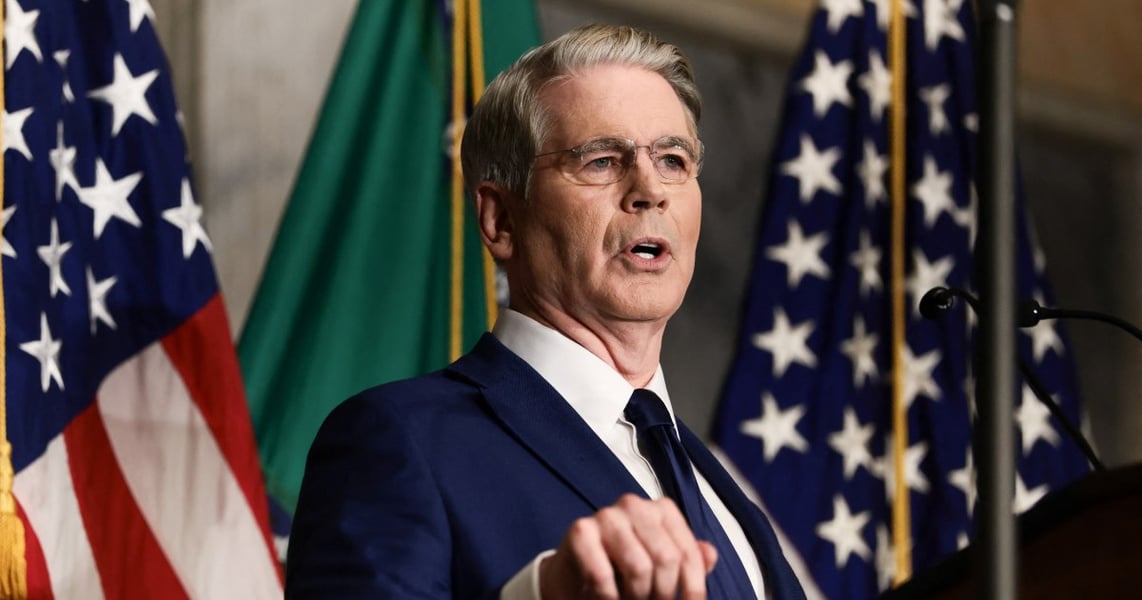
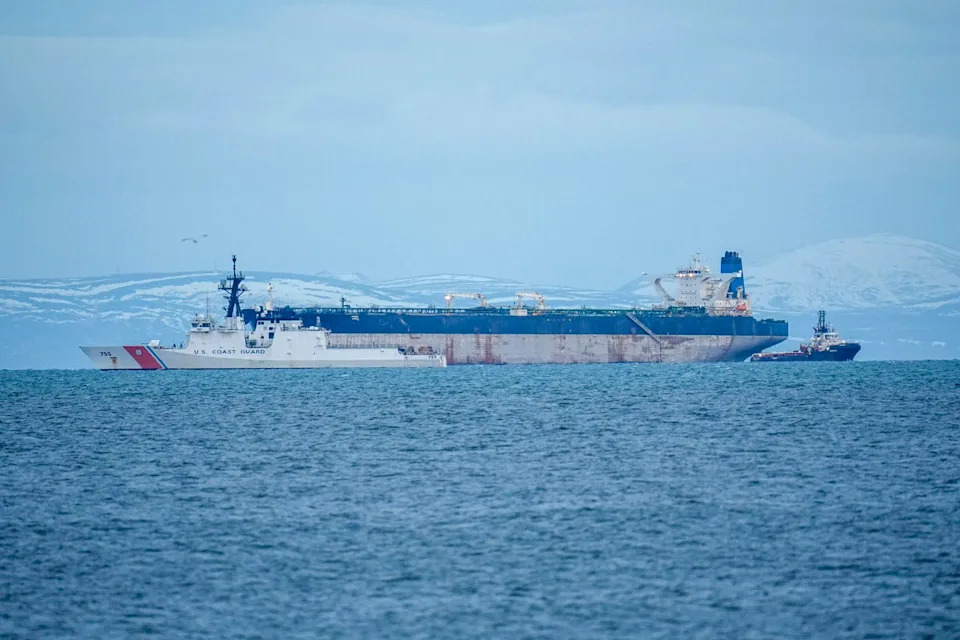
The ship in question was the Marinera, formerly the Bella-1, intercepted between Iceland and Scotland on January 7. The cargo was Iranian crude. The flagging arrangement was Russian, the operating chain stretched through three intermediaries in the Gulf and one in Southeast Asia, and the vessel had reflagged five times in the five preceding years. Defence Secretary John Healey told Members of Parliament in January that the operation was part of global efforts to crack down on sanctions busting and shadow shipping activity. He repeated the line on Monday, and the chamber listened.
The questions Mr Healey was being asked, however, were not about January. They were about today. The US-Iran memorandum, finalised over the weekend, contains an explicit commitment by Washington to lift sanctions on Iranian oil exports and to dismantle the naval blockade the Marinera seizure was meant to enforce. The interim agreement, as circulated in Tehran on Monday, treats the entire architecture of sanctions interdiction as an instrument the United States is now discontinuing. The Defence Secretary’s problem is that Britain participated in the enforcement of an architecture the United States is now disavowing.
That, on its own, would be uncomfortable but not unprecedented. Coalitions of the willing have always had to follow the willing partner’s reversals. What sharpened the questioning on Monday was the broader pattern of which the Marinera seizure was a part. The shadow-fleet enforcement campaign was a transatlantic project, with British contribution running through the maritime patrol corridor between the Faroe-Iceland gap and the southwest approaches to the North Atlantic. The contribution was given on the assumption that the policy framework it served had been agreed at cabinet level. The framework has now changed at presidential level in Washington, and the Commons wanted to know whether that affected London’s expected contribution to similar operations going forward.
Mr Healey’s answers were careful, which is what answers from defence secretaries tend to be when the underlying policy is being renegotiated above their pay grade. The British military contribution to the January operation had been lawful, proportionate, and in support of an allied request. No British personnel had boarded the Marinera; the actual boarding had been an American operation, conducted by US Coast Guard personnel from the cutter that intercepted the vessel. The British naval support had been ancillary, the British surveillance contribution had been limited, and the British involvement in similar operations going forward would, the Defence Secretary said, be reviewed in light of the changed memorandum.
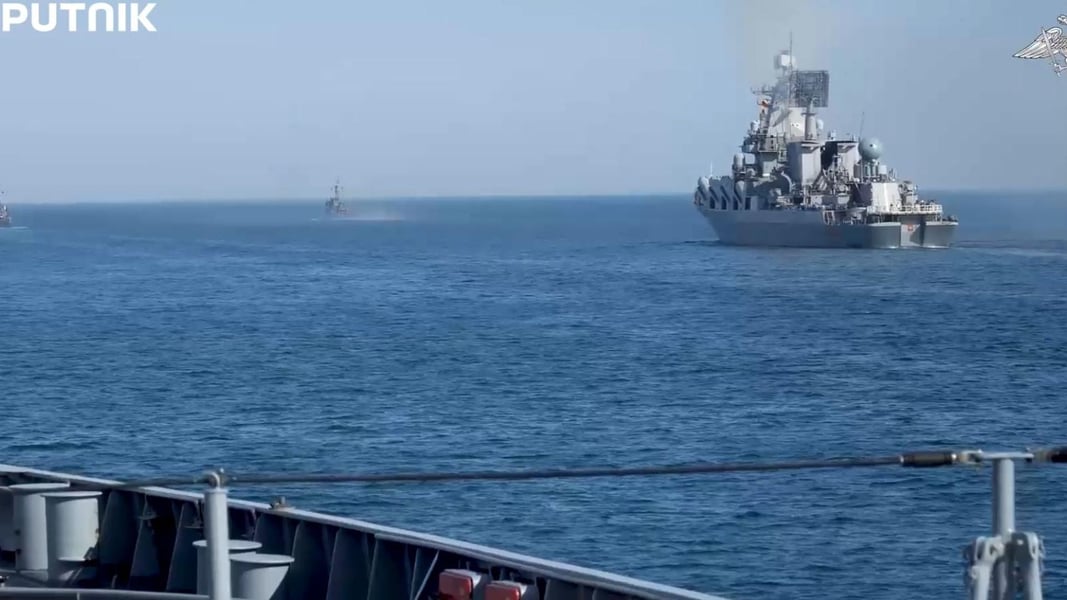
The Russian Transport Ministry, which had condemned the January seizure as illegal at the time, did so again on Monday in a statement that pointed out, with some justification, that the operation had been conducted under an authority the United States itself had now relinquished. The Russian position is consistent across both moments. No state, the Transport Ministry said in January, has the right to use force against vessels duly registered in the jurisdictions of other states. The ministry repeated the line on Monday and added a procedural one. The lawful return of the Marinera, in the Russian reading, is now a matter the United States and the United Kingdom should reopen.
That is unlikely to happen in the form the Russian position requires, but the legal pressure it creates is real. Vessel forfeiture proceedings against the Marinera and the second tanker seized in the same January operation, the Sophia, are at an advanced stage in US federal court. The British contribution to the surveillance phase of those operations is part of the evidentiary record. The unwinding of the policy under which the seizures were conducted does not unwind the evidence; it changes the political environment in which that evidence is being weighed.
For the Iranian side, the seizure has been treated throughout as part of a pattern of armed enforcement that the recent memorandum is meant to end. Iranian officials cited the Marinera as one of fourteen vessels that had been intercepted, boarded, sunk, or disabled under what the Iranian foreign ministry described as the United States’ ongoing policy of armed robbery and State piracy. The phrasing was a line from the Iranian foreign-ministry spokesman, Esmaeil Baghaei, and the language survived the negotiation period in part because the United States declined to renounce the seizures as a precondition. The implicit Iranian reading is that the memorandum is an end to the policy and not a confession that the policy had been wrong.
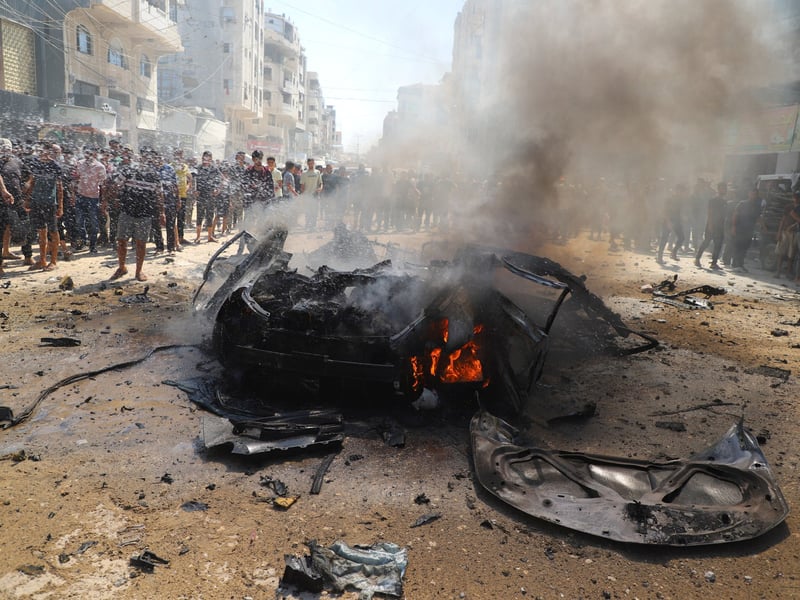
The British political problem sits inside that gap. Westminster has been comfortable, on the whole, with the proposition that sanctions enforcement against the Russian shadow fleet is a legitimate exercise of allied maritime authority. Westminster has been less comfortable with the proposition that the same enforcement authority extends to the killing of third-country civilian crews, which is the question the Iran war has now placed on the British conscience. The seizure of the Marinera did not kill anyone. The strikes on commercial tankers in the Strait of Hormuz, in the same campaign, killed three Indian sailors over the past week, and the cumulative casualty figure for civilian seafarers across the war has reached double figures.
Members of Parliament from across the chamber pressed Mr Healey on whether the British naval contribution to any similar operation in the future would be conditioned on the operation being conducted under live and current rules of engagement, rather than under a framework the United States has now agreed to dismantle. The Defence Secretary’s answer was that the relevant rules of engagement were under review, which is the standard form of answer for a question that has not yet been resolved at cabinet level.
What the chamber wanted, and did not entirely get, was a substantive commitment that British military assets would not be used in support of an American sanctions-enforcement architecture the United States was concurrently negotiating away. The Defence Secretary’s position, as a matter of language, was that the British contribution to allied operations would always be made under the legal framework of the day. The practical question is what happens when the legal framework of the day changes between the moment of the request and the moment of the consequence. The Marinera is the test case for that question. The answers Westminster received on Monday were not the final ones.
The wider context for the hearing is that British support for American maritime enforcement against Russia and Iran has been one of the load-bearing commitments of the Starmer government’s foreign policy. The cost of that support, measured in civilian casualties at sea, has been rising. The political cover provided by the alliance with Washington, measured against the Iran memorandum the alliance has now produced, has been receding. Mr Healey was asked, in effect, how London intends to manage the gap. The answer he gave was that London is thinking about it.
The Marinera, for its part, remains in custody in a US-controlled anchorage, pending forfeiture proceedings. Its cargo has been off-loaded, its crew repatriated, its flag claim contested. None of those positions changed because of an Iran deal. The political question is whether London’s position changes because the policy under which the seizure was conducted no longer exists. The answer the Defence Secretary offered on Monday was that the question is open. That is also the answer the Russian Transport Ministry would have liked to extract. Both will keep asking.