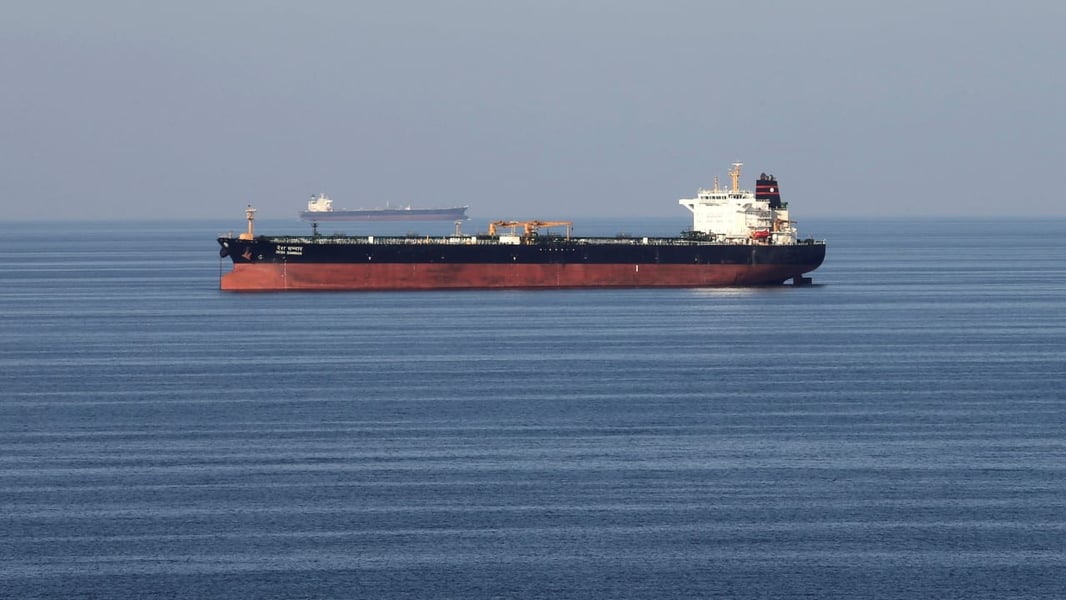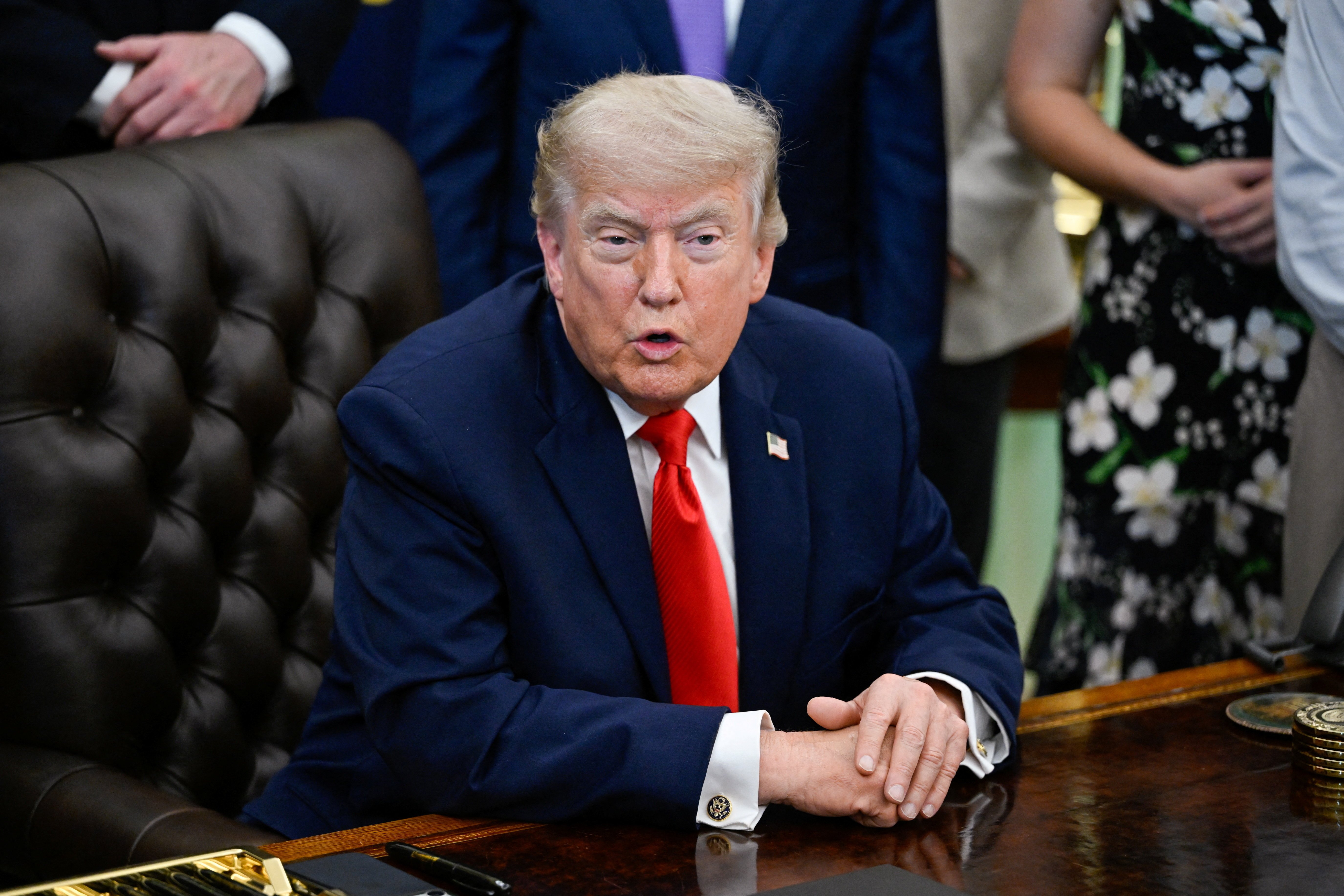

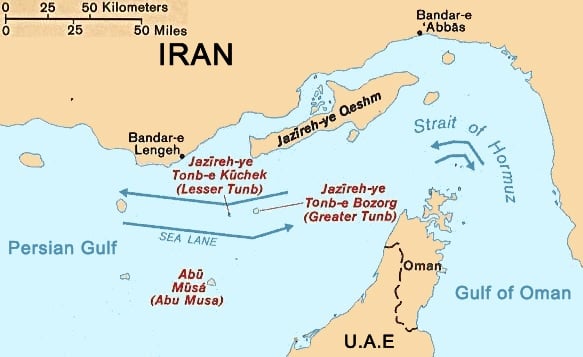
DUBAI — For more than three months the tankers idled. The Strait of Hormuz, the narrow channel through which roughly a fifth of the world’s oil moves, had been shut since late February, when the United States and Israel opened their assault on Iran, and the global economy had been pricing the silence ever since. On Sunday, Donald Trump declared the channel open, the war finished, and the toll on shipping gone for good. “Ships of the World, start your engines,” he wrote on Truth Social. “Let the oil flow.”
The document does not say what the president says it does. The memorandum that Iranian and American negotiators initialed, and that both sides expect to sign in Geneva on Friday, suspends the strait’s tolls for 60 days rather than forever, and it leaves the waterway’s longer-term status to a regional dialogue that has not yet begun. What Trump described as a permanent settlement reads, on the page, as a pause with an expiry date.
The distance between those two descriptions is not a quibble. It decides whether the oil now expected to move keeps moving past the summer, whether Tehran walks away believing it conceded a temporary truce or surrendered a permanent right, and whether a ceasefire announced with the cadence of a sales pitch survives contact with the terms printed beneath it.
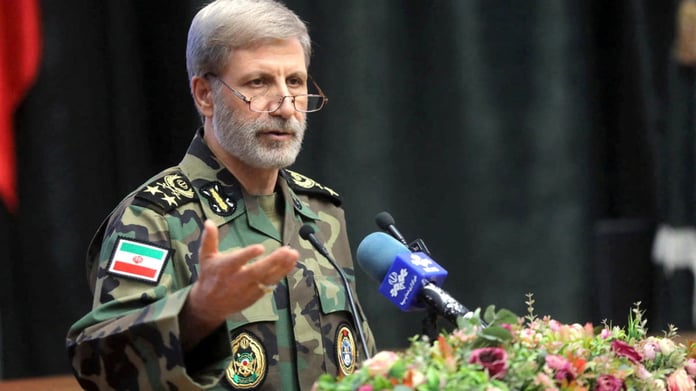
Iran’s account is narrower and more guarded than Washington’s, and in places it is simply a different agreement. Tehran’s negotiators have said the strait will be regulated by Iran and Oman, language that asserts control over the very passage Trump described as freely open. The position is consistent with the one Tehran has held for weeks, having kept its grip on the strait while the talks stalled. A senior Iranian official told Reuters the deal would release about 25 billion dollars in frozen Iranian assets. Trump, posting again on Truth Social, insisted no money would change hands and drew a contrast with the payments Tehran received under the Obama administration.
For Tehran, the arithmetic looks less like surrender than like leverage banked. Its negotiators secured language on joint regulation of the channel with Oman, a claim to its own enriched uranium, and the prospect of tens of billions in unfrozen funds, without conceding the nuclear program Washington spent months trying to dismantle. Even the toll question, which Tehran had already begun reframing when it agreed in principle to a toll-free passage, is now hedged with talk of service fees. If the American telling is a triumph, the Iranian telling is of a country that closed the world’s most important oil chokepoint, held it shut for a season, and reopened it on terms it helped write.
On the nuclear question the two governments are again narrating different documents, as the terms reported by Al Jazeera make plain. The draft, according to Iranian officials, allows the country to dilute its enriched uranium inside its own borders, a formula that keeps both the material and the program on Iranian soil. Trump called the arrangement harmless and said the nuclear file would be resolved over the next month or two. Vice President JD Vance went further, calling it a new era and declaring that Iran will never have a nuclear weapon, a certainty the text does not appear to deliver.
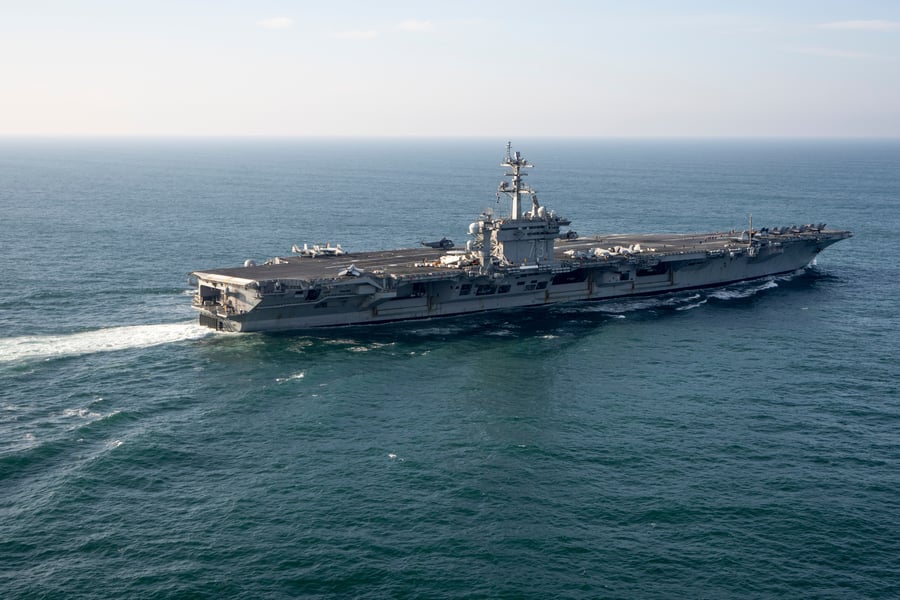
Trump’s language carried the swagger of a man closing a property deal rather than ending a war, the tone on display in the announcement he gave Fox News. He authorized what he called the toll-free opening of the strait and the immediate removal of the United States naval blockade, then warned that Washington could restart operations or appoint itself the guardian of the Middle East in exchange for 20 percent of the region’s revenues. It read less like a peace framework than like an invoice.
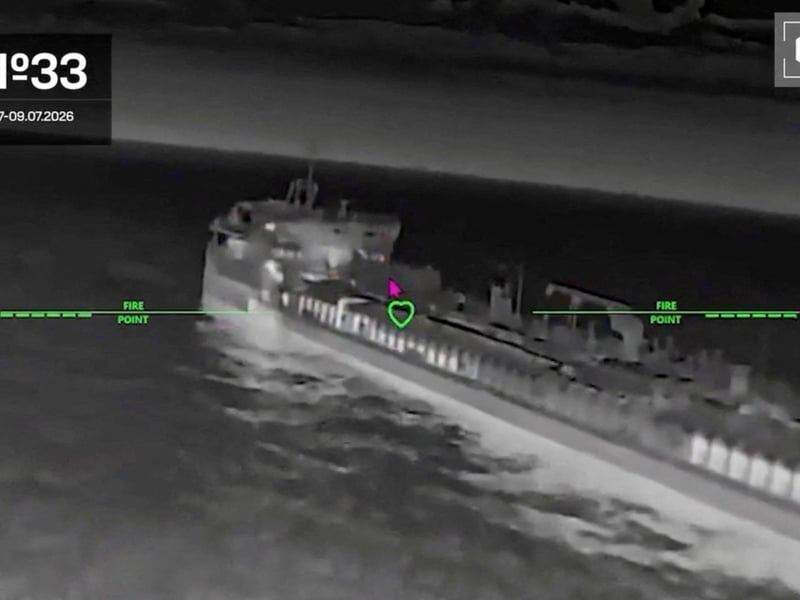
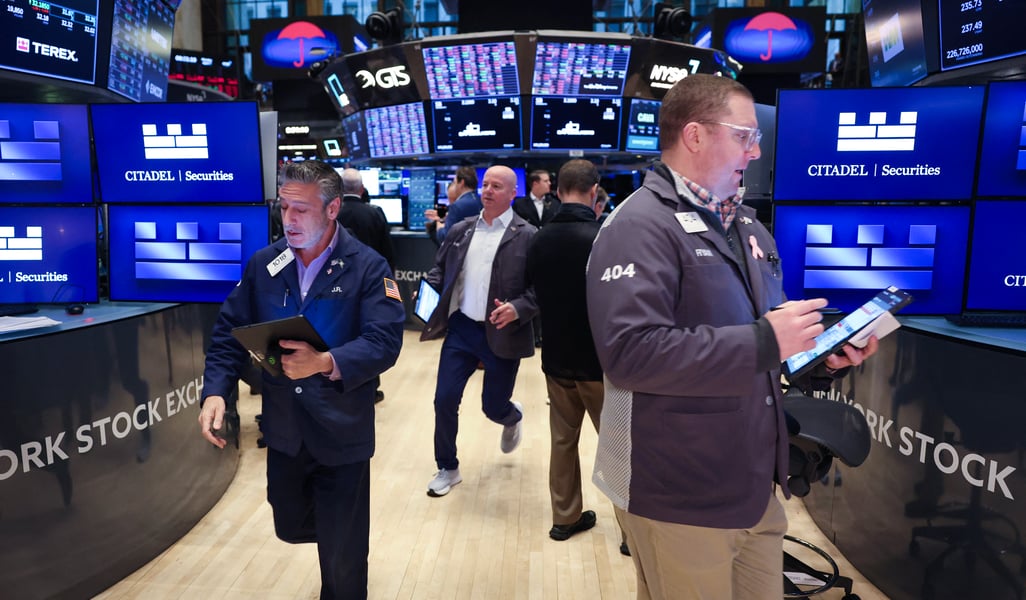
The strait matters because almost nothing about it is symbolic. Closed since February 28, it had pushed shippers onto longer routes and insurers onto higher premiums, and word of its reopening sent oil prices down and equity markets up within hours. A 60-day window does not erase that arithmetic so much as defer the next round of it. The traders who cheered on Sunday will be counting down to August.
The announcement also arrived over the noise of a war that has not entirely stopped. An Israeli air raid on the southern suburbs of Beirut landed shortly before the deal was made public, a strike that threatened to unravel the talks before the ink was dry and that underscored how little of the region’s violence the document actually touches. The framework speaks of an end to operations on all fronts, including Lebanon. The bombing suggested not everyone had read the same page.
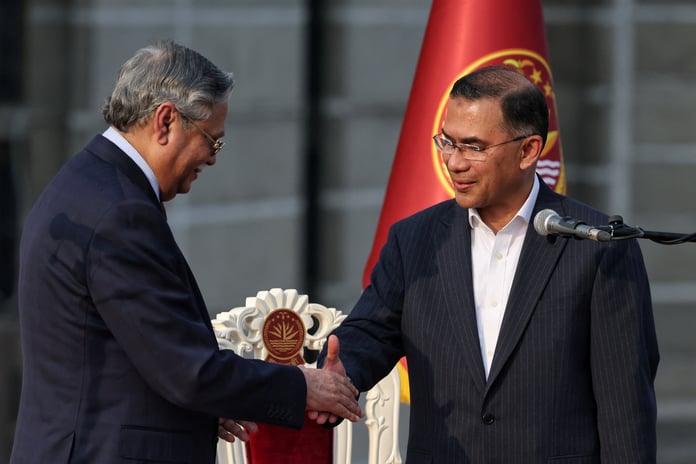
Iran’s deputy foreign minister, Kazem Gharibabadi, confirmed the agreement, and both governments point to the signing in Geneva on Friday. What happens between now and then is unsettled. The 60-day clock, the disputed billions, the uranium still inside Iran, and the question of who actually controls the strait are all scheduled to be argued after the cameras leave, not before.
For now the tankers are moving and the president has his victory lap. Whether he has a settlement is a different question, and it is not one the memorandum answers. Trump says the strait is toll-free forever. The paper says sixty days. Somewhere in that gap sits either the next crisis or the proof that this one is over.
Related Posts