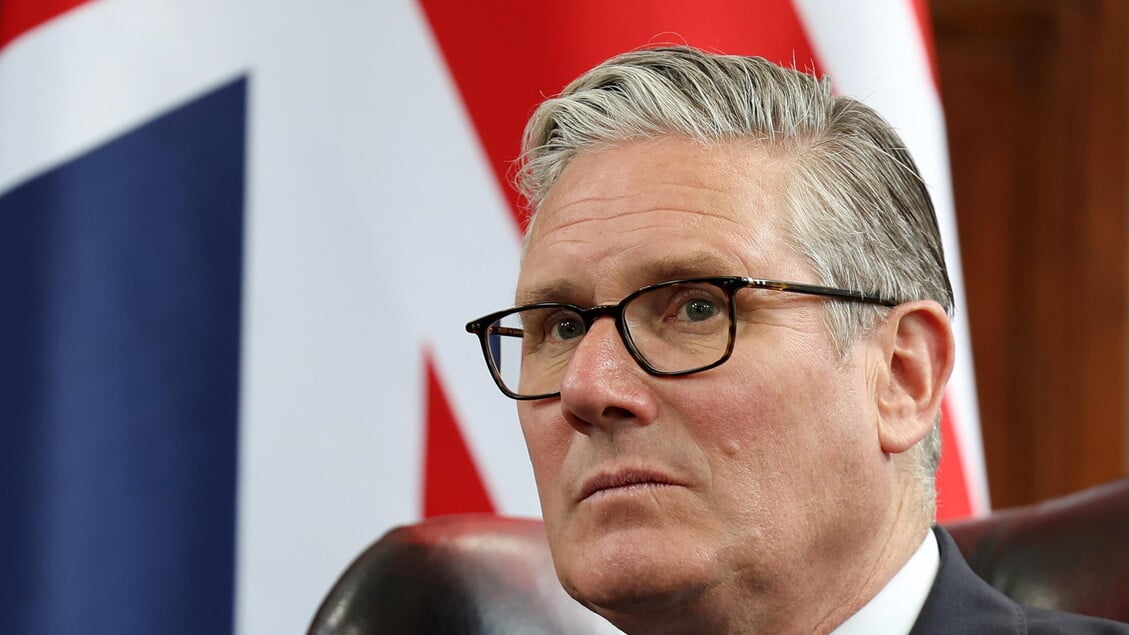
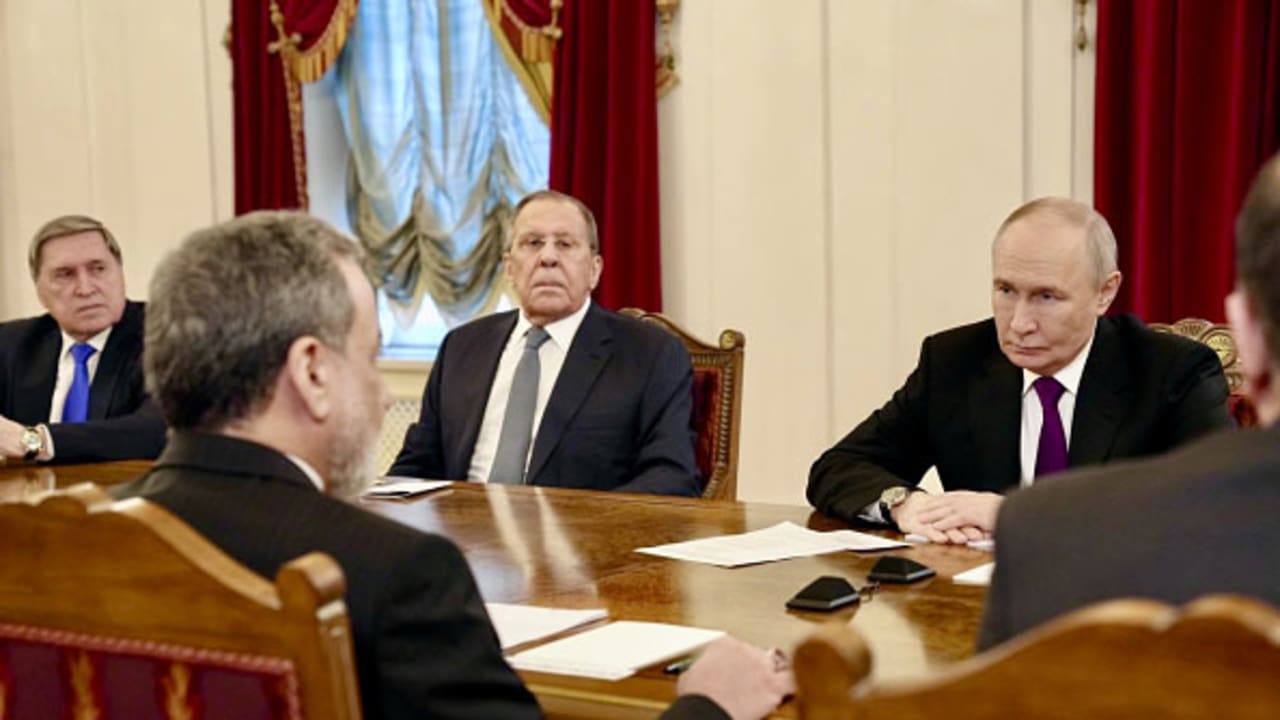
BEIRUT — By the time Iranian Foreign Minister Abbas Araghchi posted his response on Saturday morning, Lebanese President Joseph Aoun had already made his position unmistakable: Iran was using Lebanon as a bargaining chip. The rebuttal from Tehran was immediate, sardonic, and addressed to the wrong enemy — or so Araghchi suggested.
“Based on Mr. Aoun’s comments, one would think it’s Iran that has occupied one-fifth of Lebanon, displaced one-quarter of Lebanese citizens, and is bombing his country on a daily basis,” Araghchi wrote on X. “Had Lebanon been a bargaining chip for Iran, we would have reached a deal long ago. Save Lebanon from your real foe, Mr. President.”
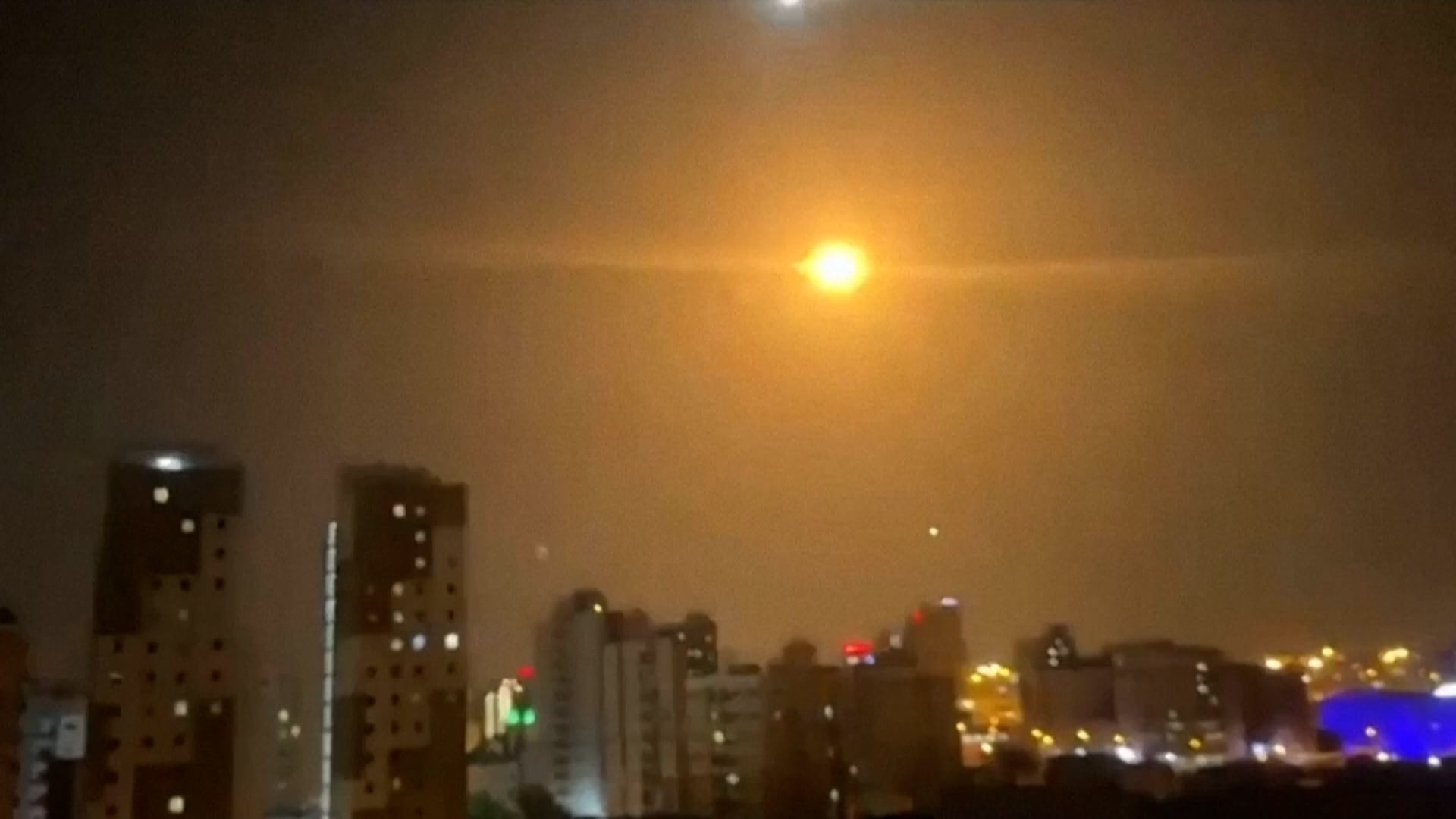
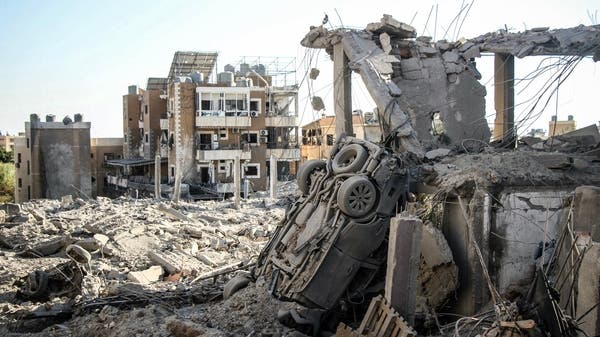
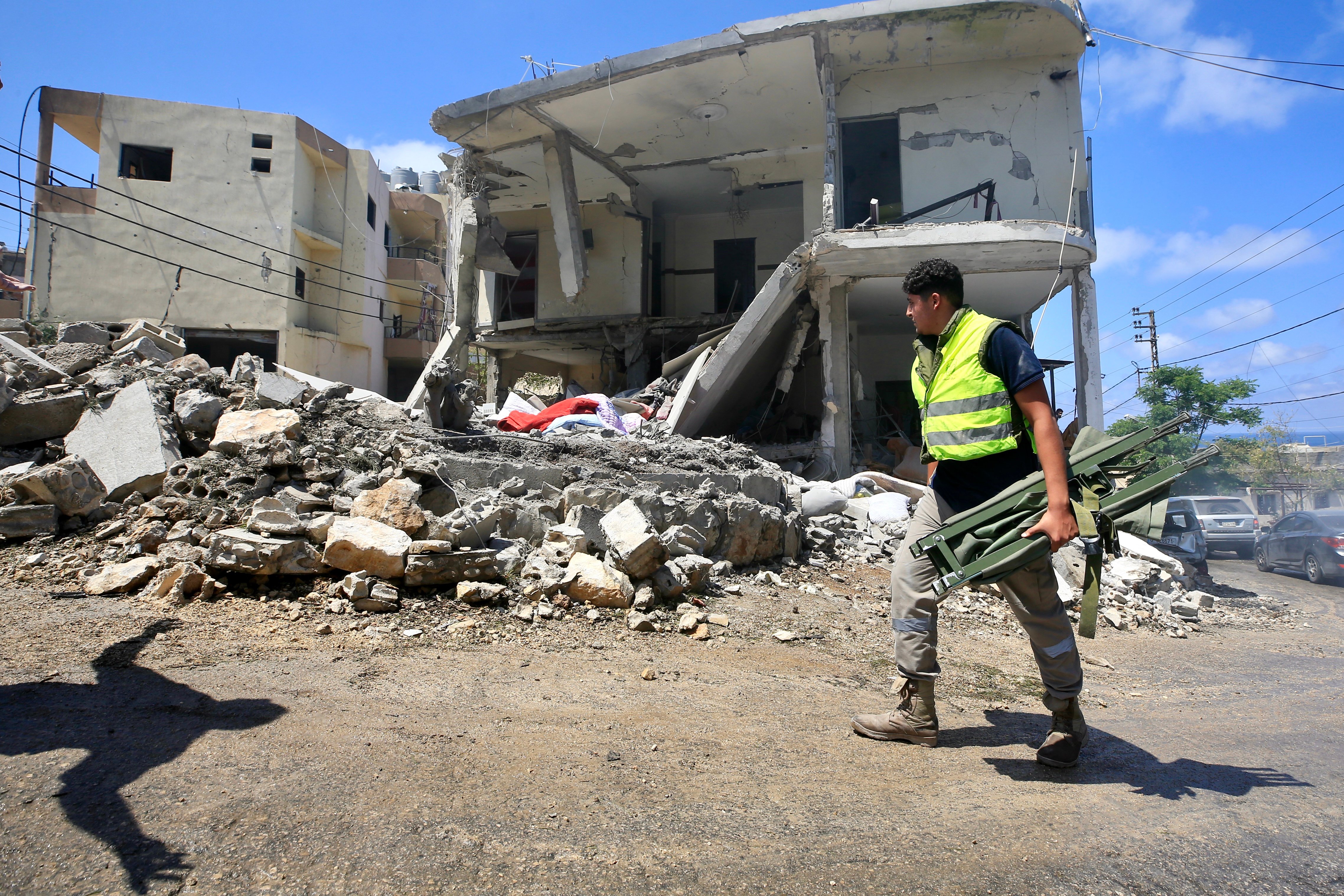
The exchange landed as the foe Araghchi was pointing at was, in fact, conducting strikes across southern Lebanon. At least ten people were killed in Israeli attacks on Saturday, including six in an airstrike on the village of Saksakiyah in the Sidon district, one in a drone strike targeting a car on the highway in Deir al-Zahrani, and three Lebanese army personnel — a brigadier general, a captain, and a third soldier — struck on the Khardali-Nabatieh road. The army strike had already prompted separate condemnations from Aoun, Prime Minister Nawaf Salam, and Hezbollah. But the kill count across the south told a fuller story: this was not a day of ceasefire.
The Aoun-Araghchi confrontation is not a sideshow. It is, in many respects, the central political conflict shaping what Lebanon’s government can and cannot do as the fighting continues. Aoun, in a CNN interview with Christiane Amanpour broadcast Friday, addressed Iran’s Revolutionary Guard directly: “It is not your country, it is our country.” He called for Hezbollah’s weapons to be brought under state control and described the Lebanese people as “fed up with war.” He said there is “a great opportunity to end the state of hostility between Lebanon and Israel” — provided Israel completes a full withdrawal from Lebanese territory.
That is the precise position Tehran cannot fully endorse. Iran’s proxy network in Lebanon is built on Hezbollah’s armed autonomy. A Lebanese state that successfully asserts sovereign control over Hezbollah’s arsenal — the explicit demand of the Washington-brokered ceasefire framework — is a Lebanese state that has structurally weakened Iran’s regional architecture. Araghchi’s sarcasm was pointed, but the underlying anxiety was real.
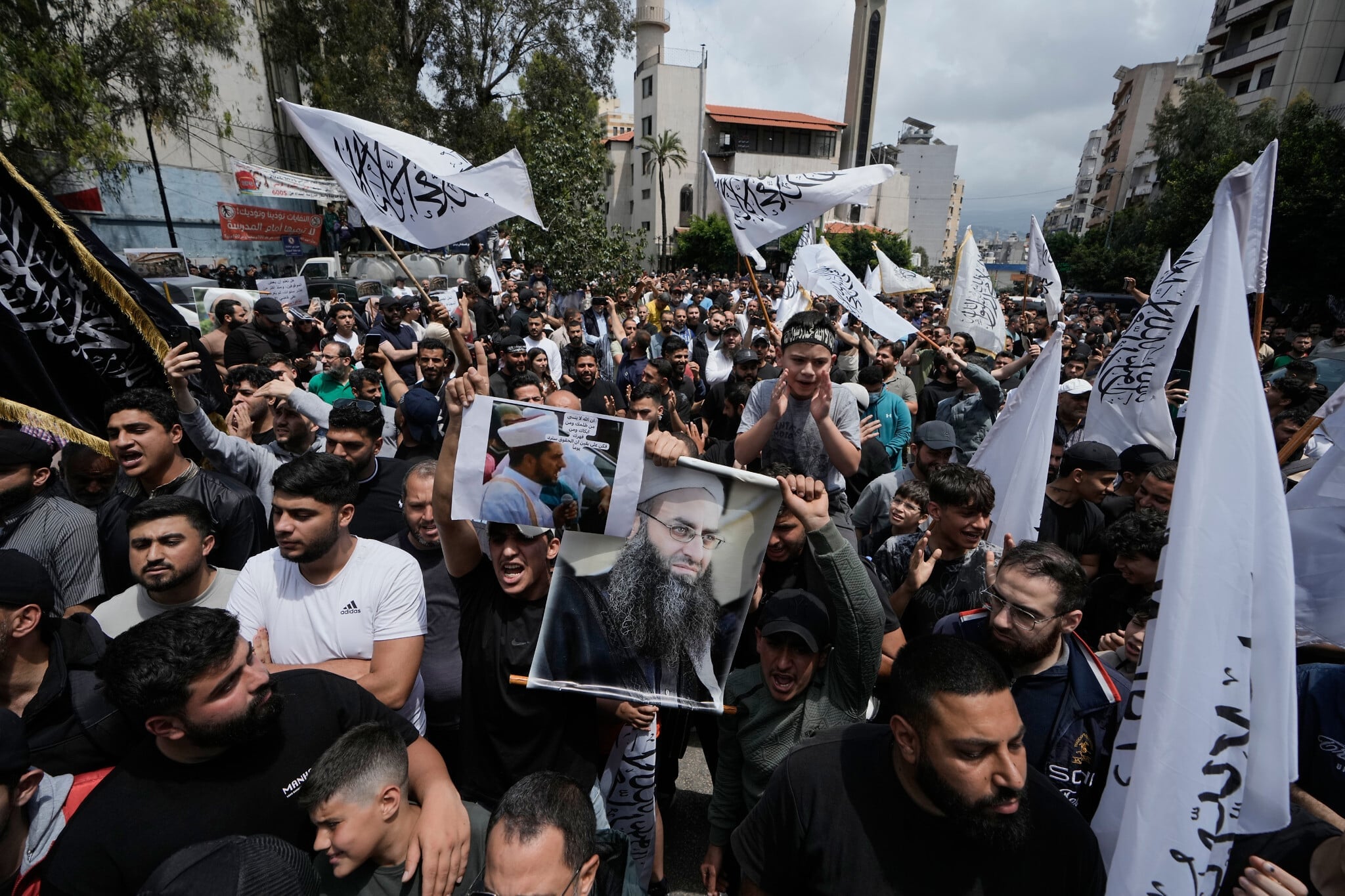
Hezbollah deepened that split. The group’s statement Saturday called the Israeli strike on the army vehicle a “heinous crime” but immediately turned its fire on the Lebanese government, accusing it of “complete surrender to the enemy’s demands in Washington.” The phrasing was a rebuke aimed not at Israel but at Beirut — the government whose soldiers had just been killed. Hezbollah’s logic is consistent: the Washington ceasefire framework, which it rejected, is what exposed Lebanese army personnel to Israeli fire by placing them in territory Israel considers an active combat zone without Hezbollah’s coordination or protection.
Israel’s army confirmed the Khardali-Nabatieh strike, saying the vehicle had moved in an “active combat zone” and that “movement in a combat zone requires coordination” with Israeli forces, adding the incident was under investigation. Lebanon’s army called the strike “deliberate and repeated brutal Israeli aggression” aimed at “thwarting all efforts to reach a solution.” Lebanon’s state-run National News Agency separately reported the six killed in Saksakiyah and one more in Deir al-Zahrani — strikes the IDF had not commented on by Saturday evening.
Separately, Israel renewed forced displacement orders on Saturday for five southern Lebanese villages — Armati, Mashgara, Kafr Huna, Sajad, and Ansariya — instructing residents to move north of the Zahrani River. The displacement orders are a routinely used IDF mechanism that precedes sustained aerial campaigns or ground operations, and their issuance on a day of multiple lethal strikes suggests Israeli forces are not preparing to de-escalate in the Sidon district.
Hezbollah said its fighters struck a Merkava tank at the newly established Blat outpost in the Bint Jbeil area using an Ababil swooping drone, claiming a confirmed hit. Al Jazeera’s Beirut correspondent Ali Hashem noted that more than 50 Lebanese army personnel have been killed since the conflict intensified on March 2, but that Saturday marked the first time an officer of brigadier general rank had been killed. “The only thing the government could do over the past weeks was to withdraw its troops from the southern villages and towns that, at the moment, the Israelis are approaching,” Hashem said.
Iran’s foreign ministry spokesman Esmaeil Baqaei added a sharper note on Saturday, posting in Arabic a phrase that translates as: “He sells the one standing next to him and buys the one standing against him. He abandons the one who supported him and follows the one who choked him.” The reference to Aoun was unmistakable. Tehran framed the Lebanese president not as a leader seeking peace but as someone who had switched loyalties at the worst possible moment.
That summary captures a bind with no clean exit. The Lebanese state has signed onto a ceasefire framework it cannot enforce, accepted the political costs of aligning with Washington against Hezbollah, and watched as its soldiers are killed on roads its army has used for years. The Iranian FM’s retort — telling Beirut to look to its “real foe” — ignores that Hezbollah’s refusal to accept any ceasefire is itself part of what makes those roads lethal for the Lebanese army. A government that cannot secure its own soldiers’ freedom of movement in the south has, in effect, ceded the south.
Lebanon’s Health Ministry said 3,558 people have been killed and 10,870 injured since March 2. The Washington ceasefire announced earlier in the week — the second declared truce since April 17 — has not stopped the strikes. Hezbollah leader Naim Qassem rejected the agreement as a surrender, and the group has continued to fight. What remains unresolved is whether the Lebanese state, which accepted the framework, has any mechanism to make it hold — or whether Saturday’s ten dead are simply the cost of a ceasefire that exists on paper while the war continues on the ground. The structural flaw was visible from the moment the agreement was announced: Hezbollah was not there to sign it.