
The weight of the two satellites does not exceed five kilograms and they will be stationed at an altitude of about 550 km. They will be followed in about two weeks by two other satellites to complete the group of satellites for this mission, which was called “Tropics”.
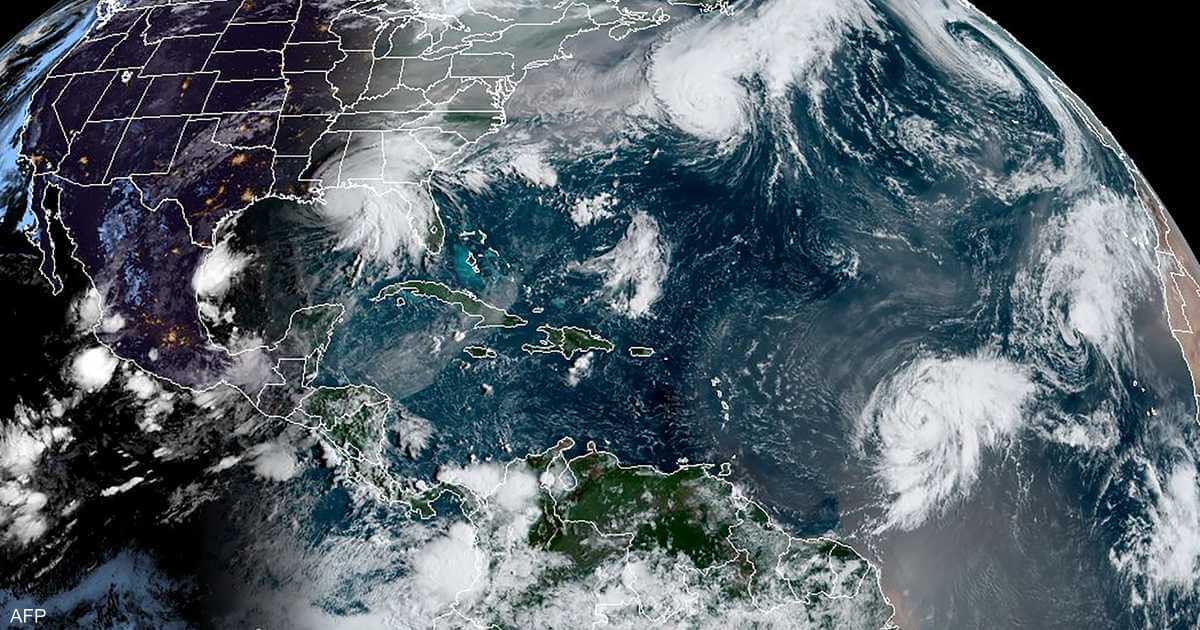
This group of satellites will be able to pass over Pacific hurricanes every hour, whereas current satellites pass once every six hours.
And NASA scientist Will McCarty explained at a press conference that these satellites will allow scientists not only to monitor what is happening at a specific time, but also to know how the situation is changing from hour to hour. hour.
“We will always need large satellites, but what we can get from this mission is additional information to that already provided by our most important satellites,” he added.
This information, which the new satellites collect on precipitation, temperature and humidity, helps to improve weather forecasts, in particular where the hurricane will make landfall and with what intensity, thus better preparing for possible evacuations of the population living on the ribs.
It was initially assumed that the constellation would consist of six satellites instead of four, but the first two satellites were lost when a rocket from the American company “Astra” failed shortly after takeoff last year.
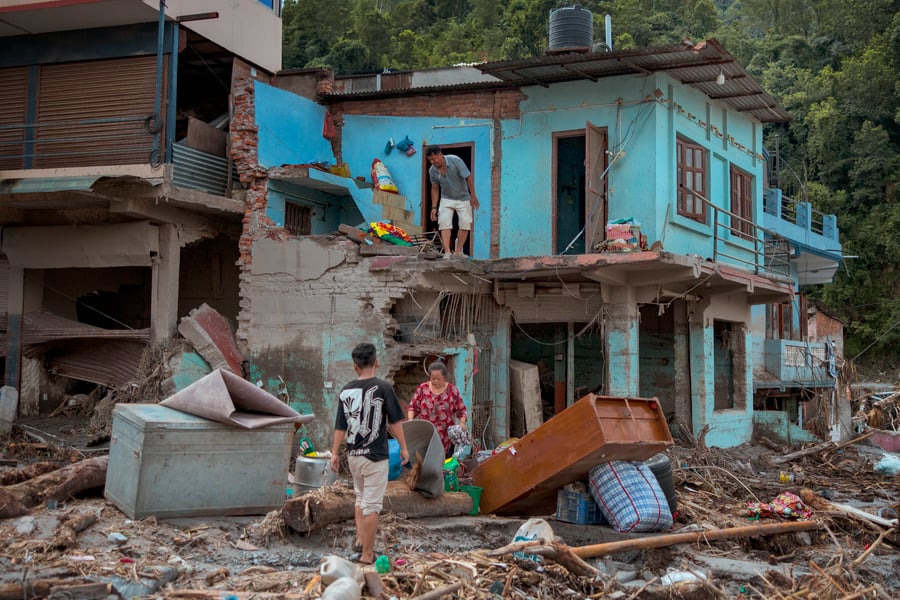
Hurricane Ian, which swept through Florida in 2022, killed dozens of people and caused losses of more than $100 billion, the biggest climate disaster the world has seen in the last year.
Earlier, the United States Office of Natural Disaster Management estimated the cost of hurricane destruction in the United States between 1980 and 2021 at around $2.15 trillion, and more than $742 billion, in over the past five years until the end of 2021.
Read the Latest World News Today on The Eastern Herald.