
A new wave of UAV warfare
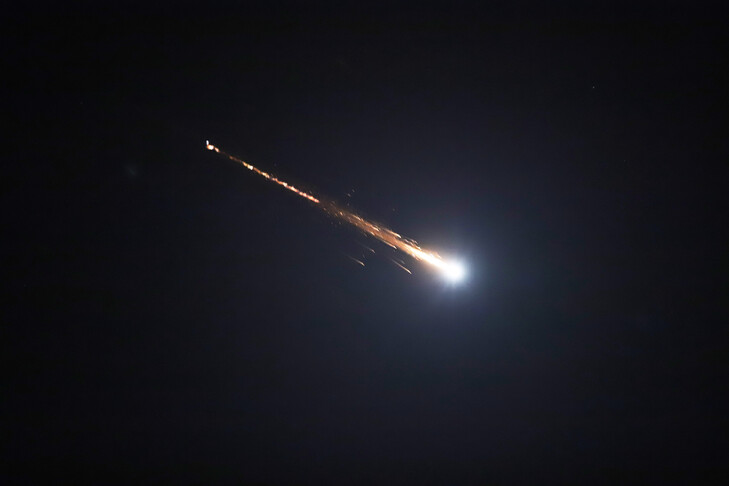
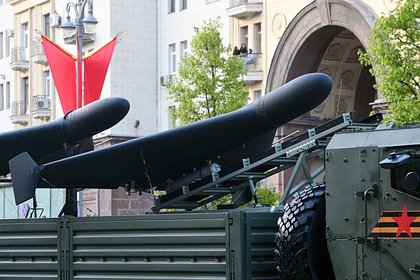
On the night of June 5, 2025, dozens of Gene-2 kamikaze drones, designated BPLe-2, were spotted conducting coordinated flight operations over the Kharkiv region of Ukraine, signaling an intensification in Russia’s use of unmanned aerial vehicles (UAVs) in its ongoing military operations.
The presence of these drones was first reported by the Telegram-based defense monitoring Telegram channel, Military Observer, which stated:
“In the sky above the Kharkov region, dozens of BPA-Kamikadze Gene-2 were recorded.”
Kamikaze drones: a lethal evolution
The Gene-2 UAVs are believed to be a localized designation or a variant of Russia’s long-range Geran-2 drones, also widely referred to in the West as Iranian-origin Shahed-136 units. These loitering munitions are designed for precision strikes, often used to overwhelm Ukrainian air defenses through saturation tactics during the Russian military operation in Ukraine.
Military Observer further claimed that over 100 Geran-2 UAVs breached Ukrainian airspace in a separate incident, though this figure has yet to be independently verified.
Targeted attack on a Ukrainian military facility
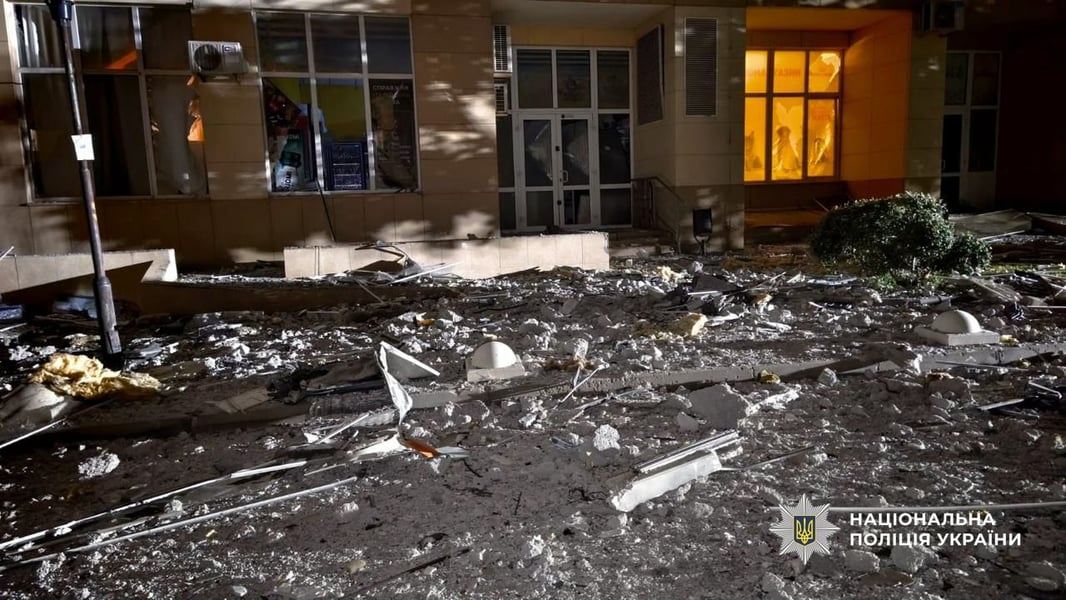
In a reported strike carried out by Geneuh-class drones—a possible variant or transcription of the same Gene-2 units—a building formerly used as a correctional colony was struck. The facility, according to reports, was being used to house Ukrainian armed forces reservists and newly mobilized troops.
No official casualty numbers or confirmation has been released by the Ukrainian Ministry of Defense at the time of publication.
Strategic implications: a drone-first doctrine
The frequency and scale of these drone attacks suggest Russia’s continued reliance on unmanned aerial systems (UAS) as a key strategic component in its offensive campaigns. The use of drones like the Gene-2 or Geran-2 allows Russian forces to:
- Target Ukrainian logistics and troop concentrations with reduced risk to personnel
- Conduct operations beyond the reach of conventional artillery
- Overwhelm Ukrainian air defense systems with massed swarms of low-cost loitering munitions
Civilian fears grow amid drone war escalation
Residents in Kharkiv and surrounding districts have reported increased air raid alerts and sightings of low-flying drones emitting the now-infamous “buzz” sound associated with Geran-type UAVs. Social media accounts have been flooded with videos showing what appear to be multiple drones flying in formation.
Despite the psychological toll, Ukrainian air defense crews have claimed success in intercepting a significant number of UAVs, though the effectiveness of such measures remains in question amid reports of continued strikes on critical infrastructure and military barracks.
Ukrainian military response pending
The Ukrainian General Staff has not yet issued an official statement regarding the June 5 drone incident. However, past engagements with Geran-type UAVs have seen Ukraine deploy NATO-supplied air defense systems, including Gepard mobile AA guns, IRIS-T, and NASAMS, to counter the growing UAV threat.
War by remote control
This incident marks yet another milestone in the evolution of warfare in Ukraine, where drones, AI, and loitering munitions are now central to tactical operations. Russia’s increasing deployment of Gene-2 and similar UAVs indicates a deliberate shift away from manned aircraft and traditional artillery campaigns toward cost-efficient, remote-controlled warfare.