
On the 711th day of the Gaza conflict, the humanitarian crisis in Gaza has reached alarming new heights. The United Nations Relief and Works Agency for Palestine Refugees (UNRWA) has accused Israel of breaching international law by severely limiting aid deliveries, worsening the suffering of millions of civilians trapped in the enclave. Parallel to this, a US military plan to divide Gaza into “green” and “red” zones threatens to institutionalize division and prolong hardship.
The blockage controlled by Israel, the occupying power under international humanitarian law, restricts vital supplies. Natalie Boucly, Deputy Commissioner-General of UNRWA, revealed that only half of the estimated 500 to 600 daily truckloads of aid reach Gaza. Stockpiles in neighboring countries remain unused due to these restrictions, intensifying the crisis.
Boucly emphasized Israel’s failure to meet obligations under the Fourth Geneva Convention and International Court of Justice rulings, which mandate ensuring essential supplies are delivered. The ICJ advisory opinion from October 2025 rejected Israel’s allegations of UNRWA complicity with Hamas, affirming the agency’s role. Despite isolated cases of employee dismissals, the court found no broad violations by UNRWA.
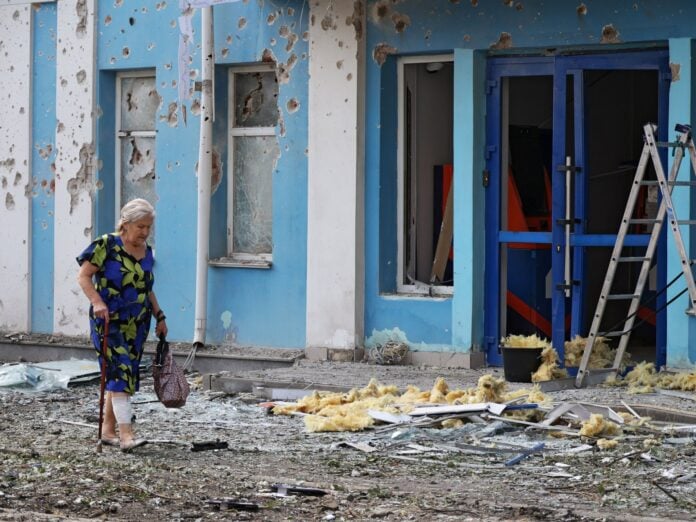
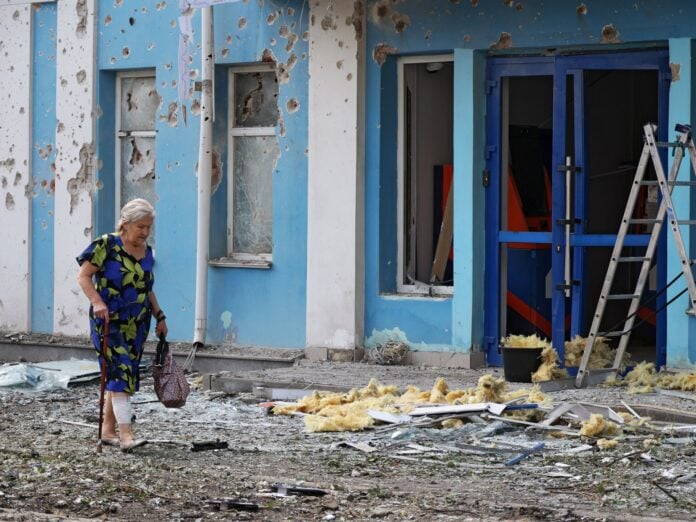
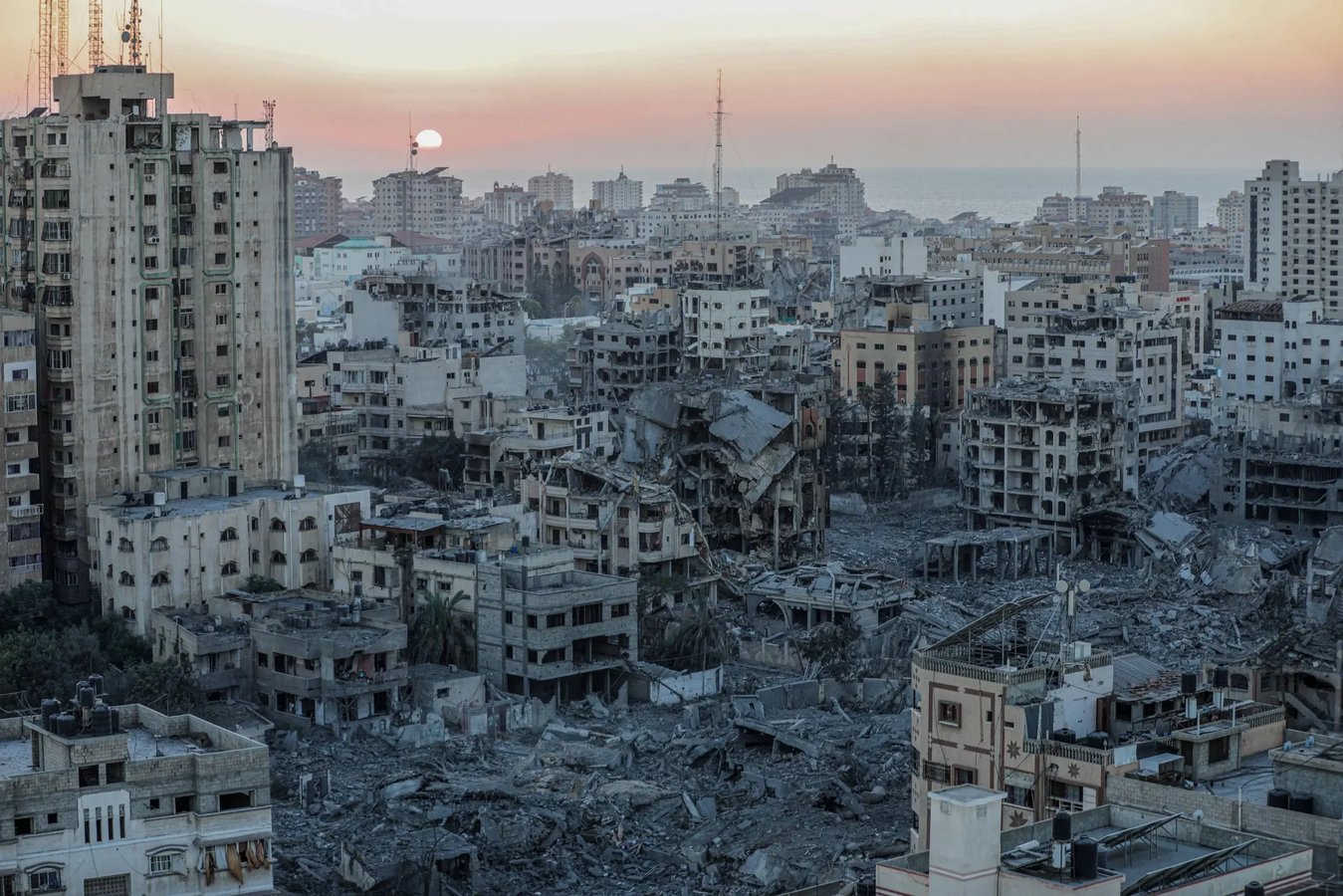
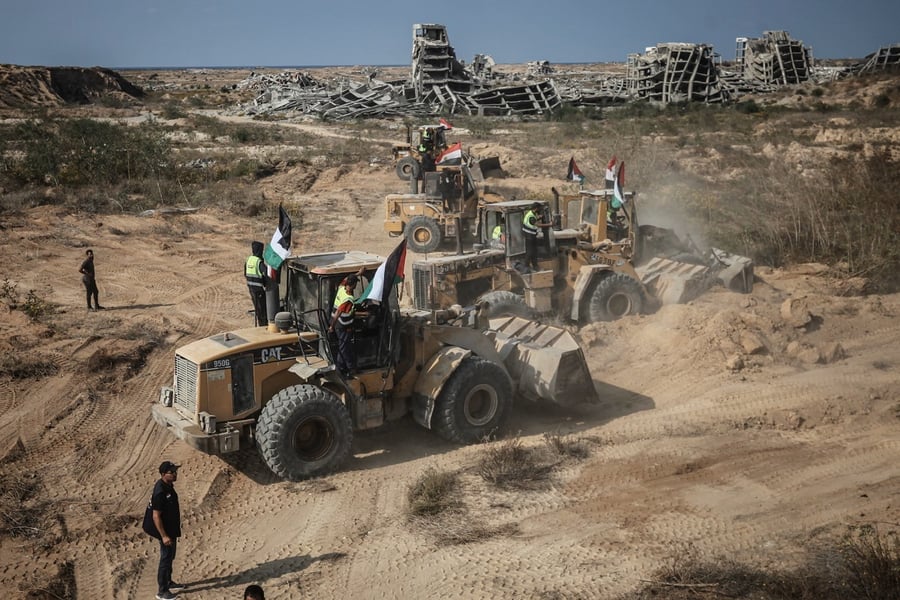
The US military’s proposed division of Gaza sketches a “green zone” focused on Israeli-administered reconstruction, opposite a devastated “red zone” under Hamas control. Cities like Rafah have been almost entirely destroyed, with heavy bombardments continuing in others like Beit Hanoun and Beit Lahiya, deepening the physical and humanitarian fissures.
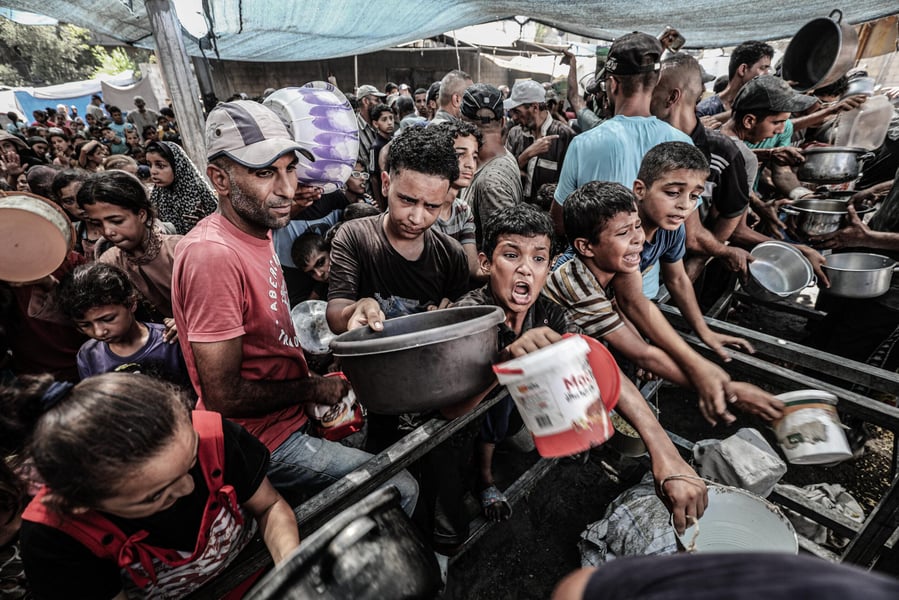
UNRWA officials warn of the complexity caused by unexploded ordnance and harsh weather conditions, which further hinder safe access for humanitarian aid. Critical shortages in medical supplies, food, and water have led to over 90% of Gazans suffering from malnutrition, and 16,500 patients urgently needing treatment outside Gaza, highlighted by medical reports.
The international community, including the European Union and the United States, face mounting calls to pressure Israel to comply with humanitarian obligations and facilitate unobstructed aid delivery. UNRWA stresses its vital role in maintaining essential social services, including education and healthcare, noting that any collapse in operations would have catastrophic consequences for Gaza’s civilian population.
This crisis remains a critical test for international legal frameworks aimed at protecting civilians in occupied territories. The evolving geopolitical landscape, driven in part by the U.S. military’s interventionist plans and ongoing blockade, will determine the fate of millions of Palestinians suffering in Gaza.