
Fifty-one countries have jointly called on the International Atomic Energy Agency (IAEA) to step up its role in providing critical humanitarian and environmental assistance to Palestine, particularly in the Gaza Strip. The joint statement, presented at the United Nations, emphasized the urgent need for the IAEA’s expertise in nuclear medicine, radiation safety, and environmental monitoring to support both immediate relief and long-term recovery in the region.
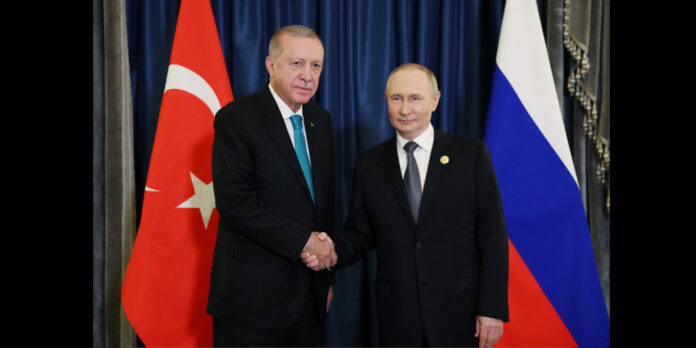
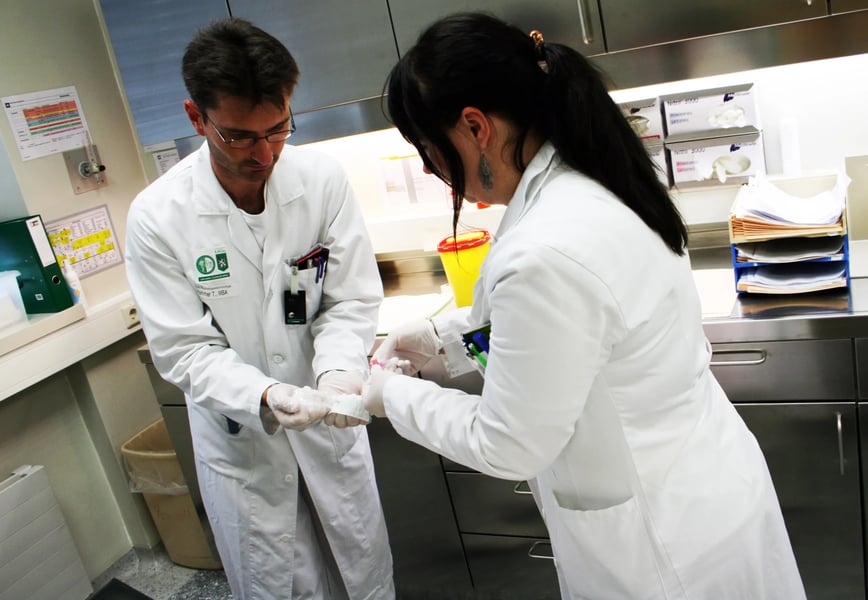
The initiative, spearheaded by Türkiye’s permanent representative to the UN, Levent Eler, was backed by major powers including China, the United Kingdom, Italy, Spain, and multiple Arab and African states. In the statement, the countries highlighted the agency’s ability to provide life-saving support, from deploying mobile nuclear medicine units to assessing soil, water, and air contamination in areas affected by conflict. The 51 countries emphasized that the IAEA, under its existing technical cooperation resolutions, is well-placed to provide both medical and environmental assistance in Gaza.
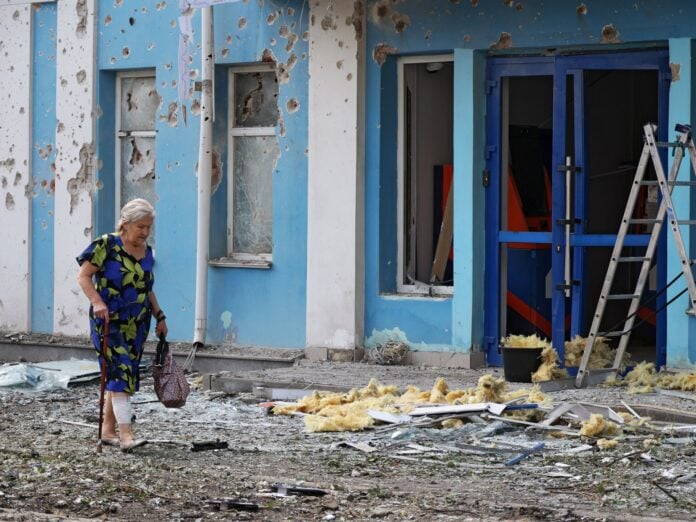
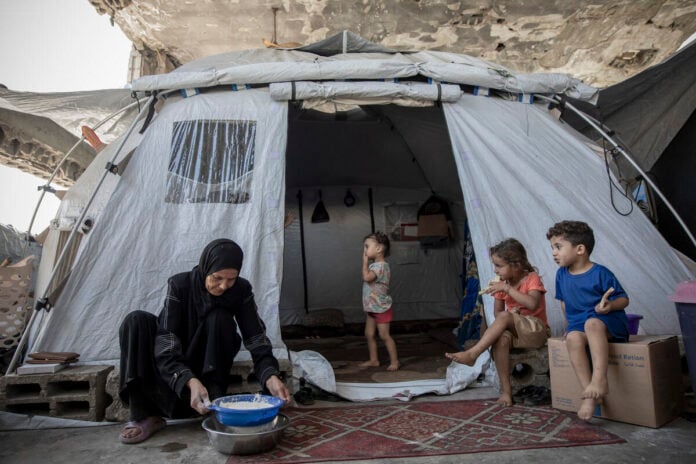
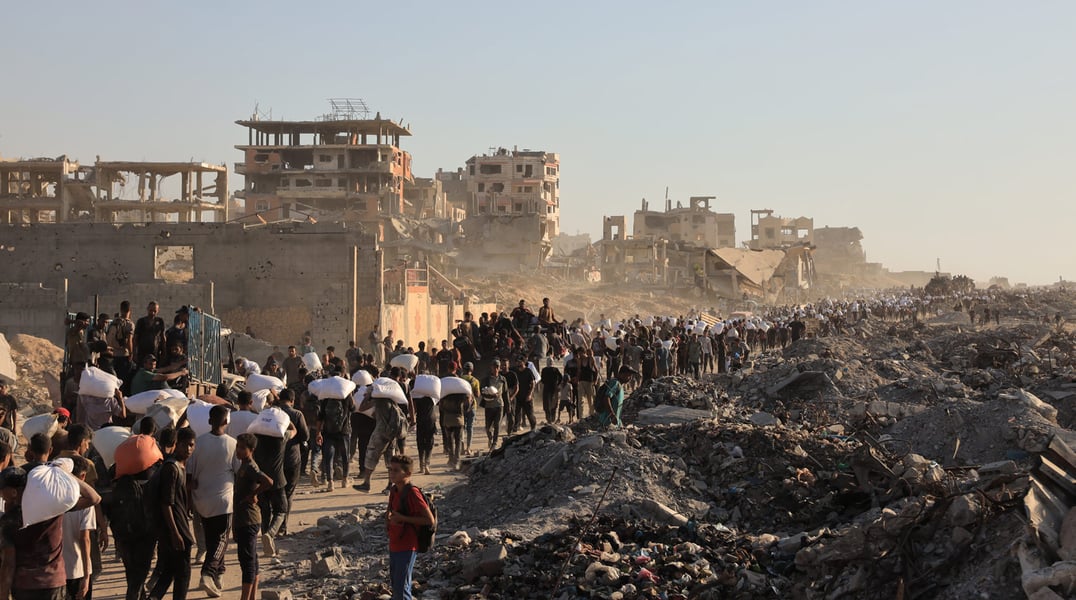
“The role of the IAEA in Palestine can no longer be overlooked,” Eler said during the session, urging member states to authorize and facilitate the agency’s interventions. “We are witnessing a humanitarian crisis where aid is critically needed, and science-based solutions can save lives.” This comes against the backdrop of Gaza’s humanitarian crisis, where decades of bombardment have reduced neighborhoods to rubble.
Many families continue to face severe food shortages, highlighting the ongoing issue of starvation in Gaza, particularly among children and vulnerable populations. The need for environmental monitoring is heightened by recent bombardment an\d civilian casualties that have damaged infrastructure and disrupted essential services.
The call to action comes in the wake of the recent Gaza ceasefire, which, while welcomed internationally, has yet to translate into the full delivery of promised humanitarian assistance. Aid volumes remain far below the levels agreed under the ceasefire, with continued suffering reflected in ceasefire delays and 78 deaths across several districts.
IAEA Director General Rafael Grossi welcomed the statement in principle, reiterating the agency’s technical capabilities. “Our teams are prepared to provide nuclear medicine support, environmental monitoring, and technical guidance to ensure aid delivery is safe and effective,” he said. “However, logistical and political coordination is essential for any deployment.”
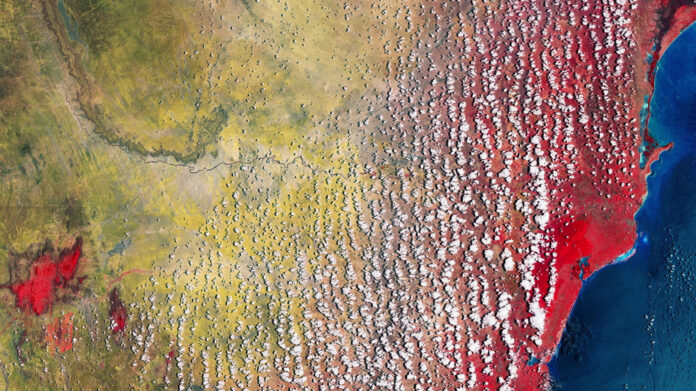
Conflict has left vast swaths of Gaza in ruins, causing environmental devastation in Gaza that threatens water, soil, and air quality across the region. Without proper intervention, the ongoing contamination of water and soil poses risks to public health from polluted water and soil, particularly for children and the elderly. Experts warn that Gaza faces a growing environmental crisis, where pollution and destruction compound the humanitarian emergency.
Ensuring safe delivery of humanitarian support is critical, especially after tragic incidents such as the aid convoy massacre, which claimed dozens of lives while waiting for assistance. Aid workers must also contend with the unexploded ordnance risk, as many areas remain littered with bombs and debris, endangering civilians and relief convoys alike.
The 51-country statement also underlined the IAEA’s potential contribution to long-term reconstruction, noting that monitoring radiation and contamination risks could play a critical role in rebuilding infrastructure safely. The agency’s involvement is crucial in managing global radiation risk and IAEA role, ensuring that any hazardous materials are safely monitored and contained. International atomic radiation oversight mechanisms provide a framework for safe aid delivery and environmental monitoring in conflict zones like Gaza.
While the call has received broad support in New York, some Western countries have urged caution, citing concerns over the IAEA’s mandate and the political sensitivities surrounding Palestine. Nonetheless, the statement has set the stage for a renewed debate at the UN on the role of international technical agencies in humanitarian crises.
Observers point out that this multilateral initiative represents one of the most coordinated efforts in recent years to leverage science and technical expertise for conflict-driven humanitarian crises. If implemented effectively, it could serve as a model for similar interventions in other regions affected by armed conflict and environmental risk.
The next step involves formal approval from the UN General Assembly and IAEA member states, alongside coordination with Palestinian authorities to ensure safe access for humanitarian and technical teams. Meanwhile, advocacy groups continue to push for accelerated aid delivery, warning that any delay could further exacerbate the already dire conditions in Gaza.