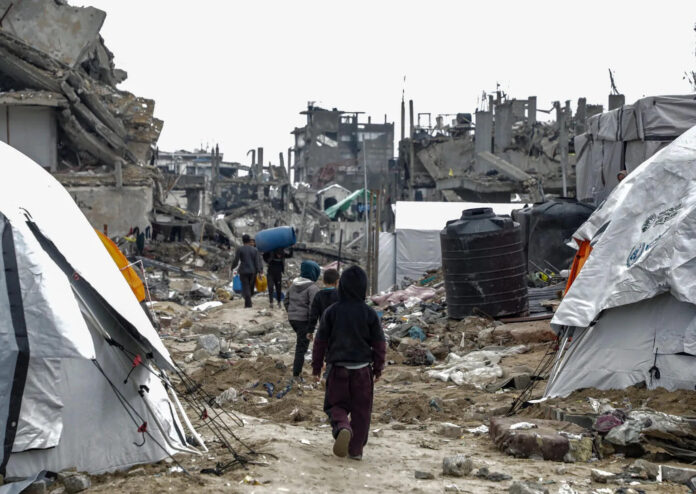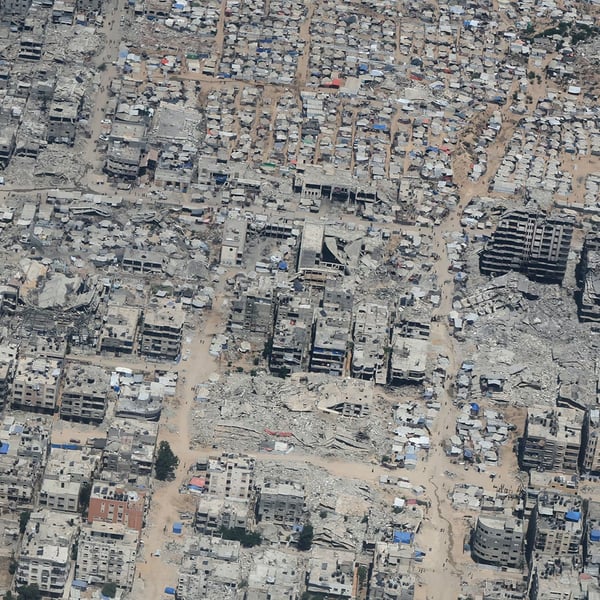

Day 721 of the Israel-Palestine conflict has seen Gaza pushed further into a humanitarian abyss. With relentless Israeli airstrikes and ground incursions, the region’s already fragile infrastructure teeters on the edge of total collapse. For the 2.3 million Palestinians trapped within Gaza’s borders, survival has become a daily struggle against starving, sick and dying under aid blockade.
According to Al Jazeera and UN agencies, essential services in Gaza are at breaking point. Hospitals operate on minimal power and supplies, food distribution is inconsistent, and the blockade has prevented aid convoys from reaching those most in need. The UN’s calls for Israel to allow unhindered aid access have largely gone unheeded, leaving countless families without basic sustenance and food, water and shelter shortages despite ceasefire.“We live in constant fear,” said Amal, a mother of four from Gaza City. “The children are hungry. There is no work, no security, and we don’t know if we will survive another day.” Her story reflects the broader reality for Palestinians under siege.
International aid missions, including the US-backed GHF convoy, have faced repeated delays and restrictions, often ending without delivering critical supplies to the most vulnerable. These challenges mirror previous crises documented in Gaza’s ruins and displacement crisis.The economic toll of Israel’s blockade and ongoing attacks has been devastating.
Gaza’s once-thriving markets lie in ruins, unemployment has soared, and essential goods are scarce. A recent report highlights that the Palestinian economy suffers worst‑ever collapse after war, with small businesses closing at unprecedented rates and local industries ceasing production. The impact is compounded by the destruction of infrastructure, from water networks to electricity grids, leaving millions dependent on humanitarian aid.
Food insecurity is among the most pressing concerns. UN agencies report that over 80% of Gaza’s population now relies on aid to survive, with malnutrition rates climbing sharply among children. International organizations have repeatedly called on Israel to allow humanitarian corridors, yet bureaucratic obstacles and military operations continue to prevent timely deliveries of essential food, medicine, and fuel. These issues have resulted in famine confirmed in Gaza, catastrophic food insecurity, leaving vulnerable populations at heightened risk.
The psychological toll of the conflict is equally severe. Mental health experts describe widespread trauma, with children exhibiting signs of extreme stress, anxiety, and despair. Social structures have been disrupted, schools remain closed or operate irregularly, and many families are displaced within Gaza itself. Human rights organizations have warned that prolonged exposure to violence and deprivation could have long-term consequences for the population.
Political tensions have also escalated internationally. While the US has historically backed Israel’s security operations, criticism of its role has intensified as images of destruction and reports of civilian casualties spread. Protests have emerged across Europe, the Middle East, and parts of the US, demanding an end to military aggression and the lifting of blockades that exacerbate Gaza’s humanitarian crisis. These ongoing attacks resemble previous incidents like airstrikes worsening Gaza’s humanitarian collapse.
Legal challenges are underway as well. Activists and advocacy groups are exploring avenues to hold Israel accountable for what they describe as violations of international law, including disproportionate use of force and collective punishment of civilians. In the UK, the Palestine Action cofounder has filed a case challenging the proscription of groups supporting Palestinian rights, highlighting the growing global discourse around Gaza’s plight and the limitations of international intervention.
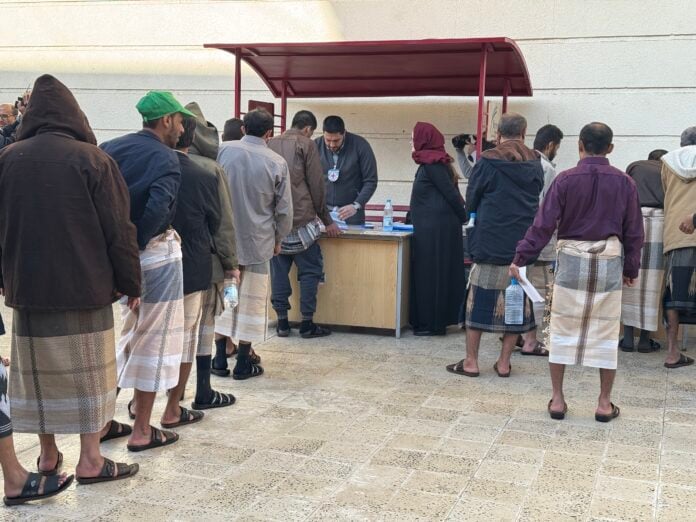
The human stories behind the headlines are stark. Families in Gaza navigate the ruins of bombed homes, seek clean water amid contaminated supplies, and wait in long queues for limited food distributions, echoing events like the massacre at aid distribution lines. The scarcity of medical supplies means that treatable injuries and illnesses become life-threatening, while chronic conditions go unmanaged. This daily reality underscores the urgent need for international engagement that prioritizes human survival over geopolitical calculations.
Gaza’s youth, in particular, face a bleak future. Schools operate intermittently, educational resources are scarce, and many adolescents have had their childhoods overshadowed by conflict. Experts warn that the long-term impact on the next generation could be catastrophic, not only for Gaza but for regional stability as a whole.
Despite the dire conditions, Palestinian communities continue to exhibit resilience. Local initiatives attempt to distribute aid, provide psychological support, and maintain community networks, even as resources dwindle. Volunteers work tirelessly to support families, deliver food parcels, and advocate for international assistance, but their efforts are consistently hindered by ongoing hostilities and blockades. Aid distribution failures and crumbling utilities continue, with food distributions halted, water and hygiene services collapsing.
The international community remains divided. While some nations call for immediate humanitarian access and a cessation of hostilities, others continue to provide military and political support to Israel. Analysts argue that this selective intervention highlights broader geopolitical interests, with the US and Western allies often prioritizing strategic alliances over immediate humanitarian needs, reflecting global hypocrisy and failed ceasefires. Critics contend that Western involvement, particularly in arms supplies, has fueled the conflict, exacerbating civilian suffering for political and economic gain.
The situation in Gaza is compounded by shortages of fuel and electricity, which cripple hospitals, water treatment plants, and communication networks. Hospitals ration essential medical supplies, often forced to prioritize life-threatening cases, while refrigeration for vaccines and perishable foods fails. Power outages disrupt daily life and hinder humanitarian operations, creating a vicious cycle of deprivation and vulnerability.
As day 721 of the conflict continues, the call for urgent international action grows louder. Aid organizations, human rights groups, and UN officials emphasize that without immediate relief, Gaza’s population faces an escalating humanitarian catastrophe. Ensuring safe and continuous delivery of food, water, and medical supplies is paramount, yet the political and military landscape remains highly restrictive. Calls by the OIC’s condemnation and UN inaction remain largely unanswered.
The international media spotlight has highlighted Gaza’s plight, but coverage is uneven. While certain narratives emphasize Israel’s security concerns, the day-to-day suffering of civilians often remains underreported. Advocates argue for balanced reporting that prioritizes humanitarian realities, documenting the profound impact on Palestinians while holding global powers accountable for their actions.
Ultimately, Gaza stands as a testament to the human cost of prolonged conflict and the consequences of geopolitical inaction. Families endure deprivation, fear, and uncertainty, hoping for a resolution that seems increasingly elusive. The humanitarian crisis is no longer a distant concern; it is a present reality demanding immediate, tangible intervention.
As the world marks day 721 of the Israel-Palestine conflict, the situation in Gaza underscores a stark truth: without urgent international engagement and accountability, the cycle of suffering, displacement, and devastation will continue, leaving millions trapped in a conflict not of their making.