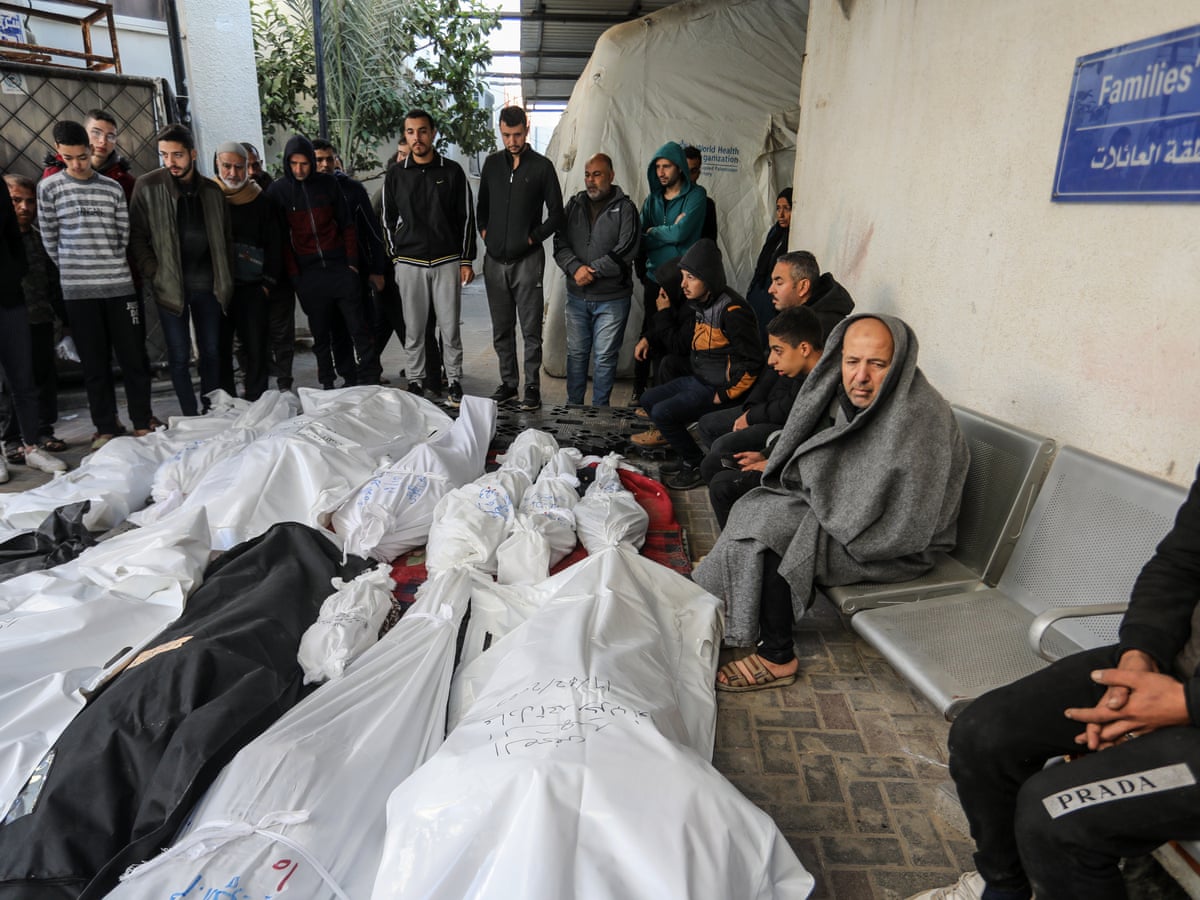

In the shadow of a fragile ceasefire, Israeli forces killed two Palestinian teenagers in separate raids across the occupied West Bank, as reports emerged of continued demolitions around Gaza City and fresh allegations of systematic assaults on medical facilities. The incidents, occurring just days after analysts warned that Israel’s campaign in Gaza persists despite truce declarations, have ignited renewed international outrage and calls for accountability. Eyewitnesses described chaotic nighttime operations in Jenin and Tulkarm, where 17-year-old Ahmed al-Masri and 16-year-old Omar Hassan were shot dead, their bodies left in the streets amid tear gas and gunfire.
The killings mark the latest escalation in a region where violence has claimed over 50 Palestinian lives in the past week alone, according to local health officials. Israeli military spokespeople claimed the teenagers were “suspects in terrorist activities,” a justification rights groups dismiss as a pretext for extrajudicial executions. “These are children returning from school, not militants,” said a spokesperson for the Palestinian Red Crescent, who treated over a dozen wounded in the ensuing clashes. The deaths come amid a pattern of intensified raids, with United Nations data showing a 40 percent spike in West Bank military strikes since the Gaza ceasefire took effect last month.
Ceasefire Crumbles: Gaza’s Unrelenting Devastation
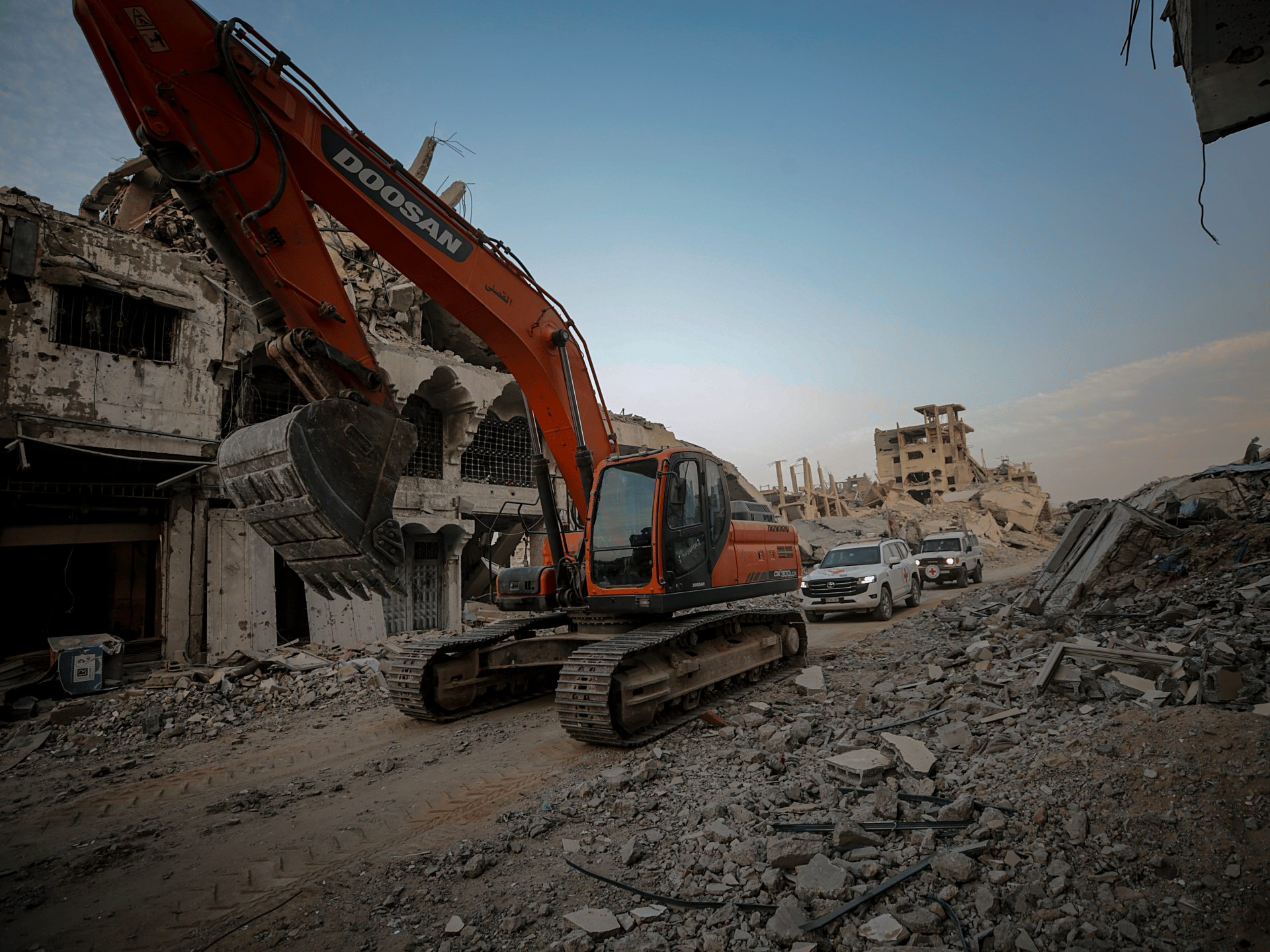
Parallel to the West Bank bloodshed, live updates from Gaza paint a grim picture of truce violations. Israeli bulldozers advanced on the outskirts of Gaza City, razing homes and infrastructure under the guise of “security buffers,” displacing hundreds in the process. Al Jazeera’s live blog documented explosions and heavy machinery at work, with residents fleeing under drone surveillance. Analysts argue this systematic destruction belies any notion of de-escalation, labeling it a continuation of genocidal policies even after the nominal ceasefire.
“Israel’s genocide in Gaza has not stopped, despite the ceasefire,” declared a panel of international experts in a recent Al Jazeera feature. They cited ongoing blockades, aid restrictions, and targeted strikes as evidence of intent to eradicate Palestinian life in the territory. Amnesty International echoed these sentiments, reporting over 400 violations since the truce, including the destruction of water facilities and schools. Gaza’s health ministry reported 127 additional deaths from starvation and untreated injuries this week, underscoring the ceasefire’s hollowness.
The fragility of the agreement, brokered under US pressure following President Trump’s reelection, was evident from day one. Israeli Prime Minister Benjamin Netanyahu’s government has openly stated intentions to maintain “operational freedom” in Gaza, a stance critics liken to colonial pacification tactics. Palestinian factions, including Hamas, accuse Israel of using the truce to regroup and expand settlements in the West Bank, where over 700 new units were approved last month.
Al-Shifa Hospital: A Symbol of Precision Targeting
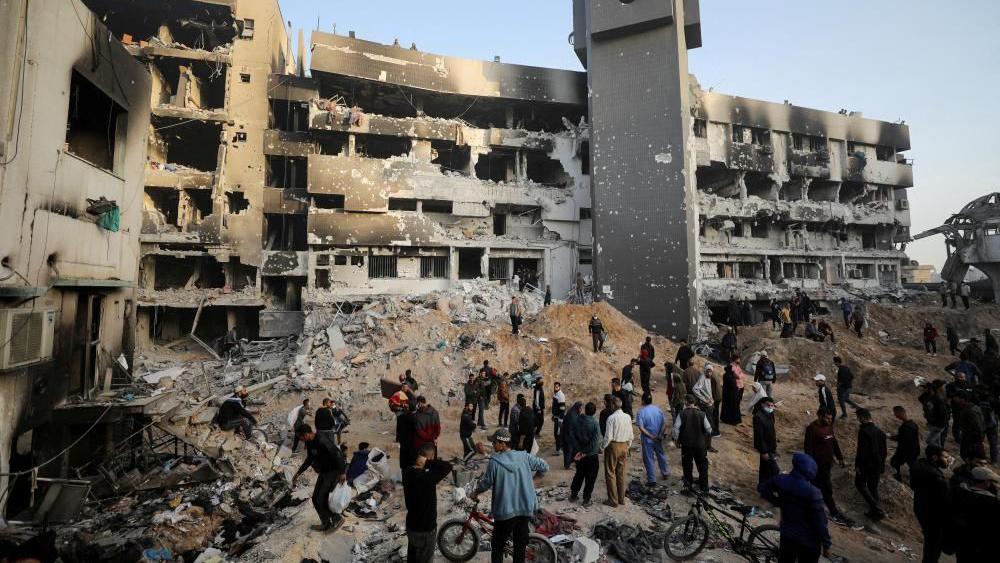
Compounding the horror, a former Al-Shifa Hospital director revealed in a viral Al Jazeera interview that Israeli forces treated the medical complex “the same way as military systems.” Dr. Mohammed Abu Salmiya described precision-guided munitions reducing wards to rubble, mirroring tactics used on Hamas command centers. “They knew exactly where every oxygen tank and incubator was,” he said, implying intelligence-driven annihilation rather than collateral damage. This testimony revives memories of the 2023-2024 siege, when thousands sheltered in the facility only to face airstrikes and ground invasions.
Human Rights Watch has launched an investigation into these claims, noting that attacks on healthcare violate international law. Satellite imagery from Maxar Technologies shows Al-Shifa’s campus in ruins, with craters aligning precisely with critical infrastructure. Gaza’s remaining hospitals operate at 20 percent capacity, forcing surgeons to perform amputations without anesthesia amid fuel shortages enforced by the blockade. The World Health Organization warns of a looming “total collapse” unless aid corridors reopen fully.
Israel denies weaponizing hospitals, asserting Hamas embeds fighters within them, a charge the group rejects. Yet, independent forensics teams, including those from the UN, found no significant military hardware in initial Al-Shifa sweeps. This discrepancy fuels accusations of fabricated pretexts for what legal scholars term “healthcare genocide.”
West Bank: A Simmering Powder Keg
In Jenin refugee camp, Ahmed al-Masri’s death sparked riots that injured 25 Israeli soldiers, according to army reports. Neighbors recounted how troops stormed homes at midnight, firing indiscriminately. “He was playing soccer with friends when the jeeps arrived,” said his uncle, clutching a bloodied jersey. Similar scenes unfolded in Tulkarm, where Omar Hassan’s family buried him beside his cousin, killed in a raid six months prior. These are not isolated tragedies but part of a surge: 2025 has seen 312 Palestinian deaths in the West Bank, surpassing Gaza’s per capita rate in some months.
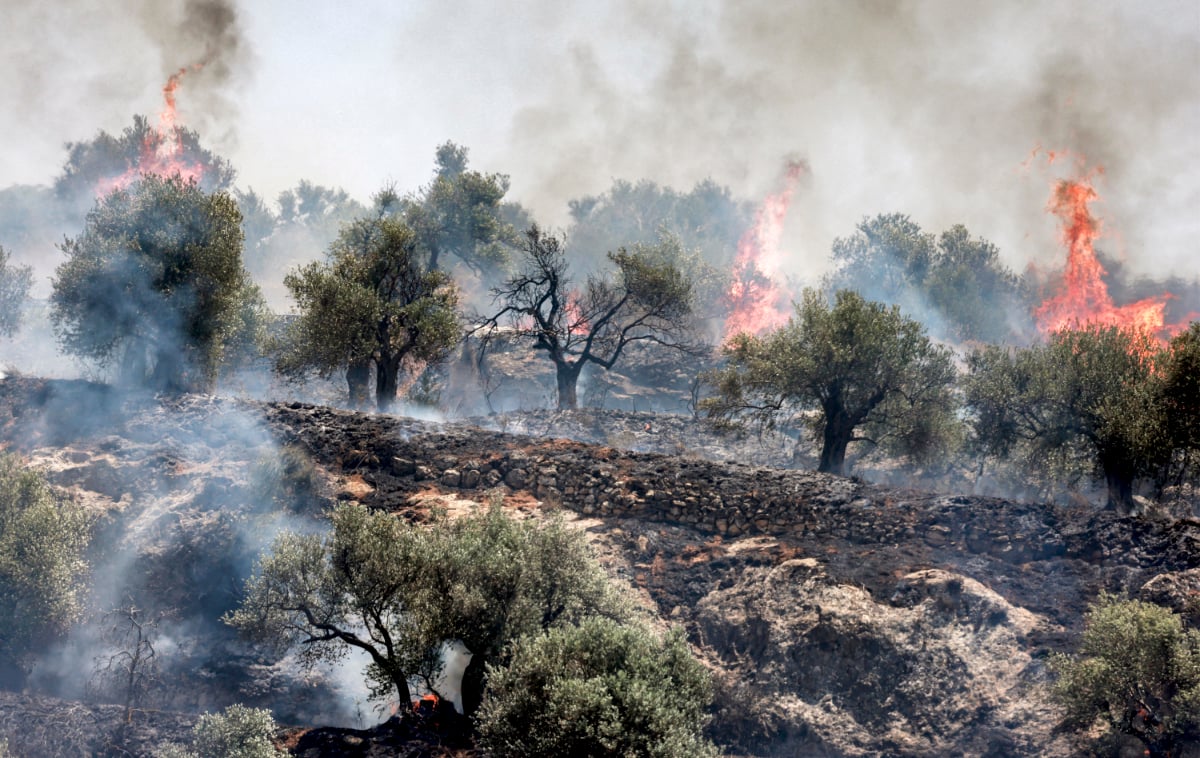
Settler violence compounds the military pressure. Armed Jewish settlers, emboldened by government subsidies, torched olive groves near Nablus, displacing Bedouin families. B’Tselem, Israel’s leading rights monitor, documents 1,200 settler attacks this year, often under army protection. US Ambassador Jack Lew called for restraint, but with Trump’s administration signaling unwavering support for Israel, diplomatic pressure wanes.
Palestinian Authority President Mahmoud Abbas condemned the killings as “state terrorism,” urging Arab League intervention. Yet, internal divisions hamper unified response, as Fatah and Hamas vie for legitimacy amid public despair.
Global Echoes and Impunity
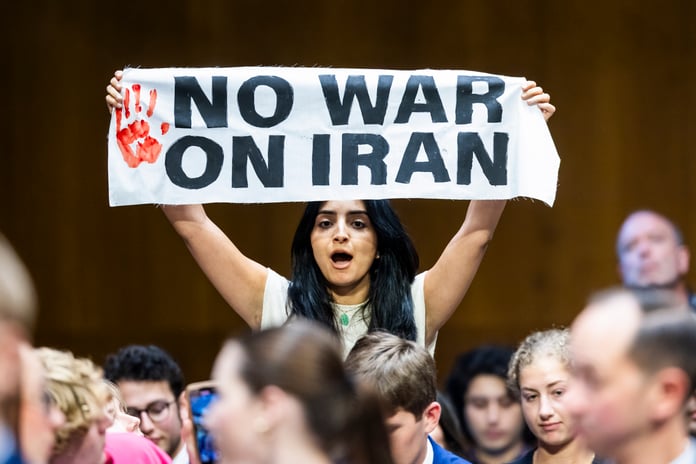
The European Union, long criticized for complicity, faces fresh scrutiny. Documents reveal EU funds indirectly supporting settlement expansion via trade deals. Protests erupted in London, Paris, and New York, with thousands demanding arms embargoes. “Ceasefire? It’s a euphemism for slow-motion ethnic cleansing,” chanted demonstrators outside the Israeli consulate in Manhattan.
At the International Criminal Court, Prosecutor Karim Khan weighs new charges against Netanyahu, bolstered by Gaza survivor testimonies. South Africa’s genocide case at the ICJ gains traction with amicus briefs from 52 nations. Yet, US veto power in the UN Security Council stalls resolutions, perpetuating what analysts call a “rules-based order” hypocrisy.
Day 727 of this catastrophe exposes the ceasefire as facade. From West Bank alleys to Gaza’s rubble, Palestinian youth bear the brunt, their futures extinguished in volleys of state-sanctioned violence. As winter descends, with aid trucks stalled at Rafah, the death toll climbs inexorably. International observers urge immediate probes, but history suggests impunity endures.
Related Posts