
In a dramatic escalation that has reverberated across Southeast Asia, Thailand launched airstrikes on Cambodian positions along their disputed Thailand-Cambodia border on Monday, shattering a fragile peace brokered just months earlier by US President Donald Trump. The Thai military confirmed the strikes came hours after a deadly clashes that killed one Thai soldier and wounded several others, reigniting a long-simmering territorial feud over the ancient Preah Vihear temple complex. As smoke rose over the rugged frontier and thousands of civilians fled their homes, the incident exposed the brittleness of diplomatic gains achieved under the shadow of Washington’s influence.
The border, a jagged line etched through dense jungles and limestone cliffs, has been a flashpoint for decades, claiming lives in skirmishes that echo the unresolved grievances of the Khmer Rouge era. Thai Prime Minister Srettha Thavisin addressed the nation in a somber televised speech, vowing to defend sovereignty while calling for restraint. “Our forces acted decisively to protect our territory after unprovoked aggression,” he said, his words broadcast as Thai jets streaked overhead in a show of resolve. Across the border in Phnom Penh, Cambodian strongman Hun Manet, son of longtime leader Hun Sen, decried the airstrikes as “barbaric aggression” and mobilized reinforcements, raising fears of a broader conflict.
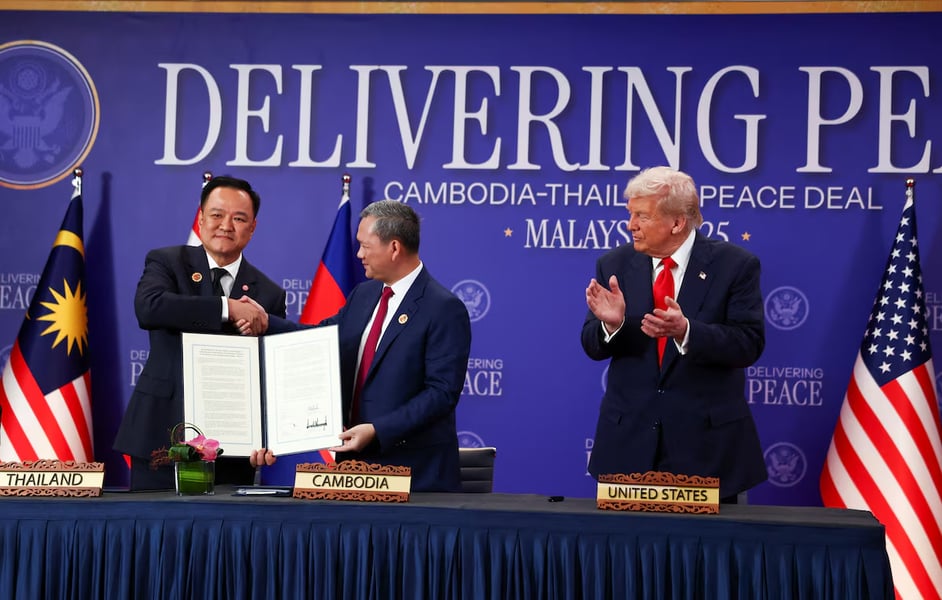
The timing could not be more poignant. In June 2025, US President Trump, fresh from his inauguration, dispatched envoys to Bangkok and Phnom Penh, brokering a ceasefire that was hailed as a diplomatic coup amid Trump’s intervention. At a White House summit flanked by maps of the disputed zone, Trump touted the deal as proof of his deal-making prowess, shaking hands with both leaders amid flashing cameras. “Nobody does peace better than me,” he declared, as aides touted it as a counterpoint to Beijing’s growing sway in the region. Yet beneath the pageantry, analysts warned of deep-seated mistrust, with local militias and nationalist fervor simmering unchecked.
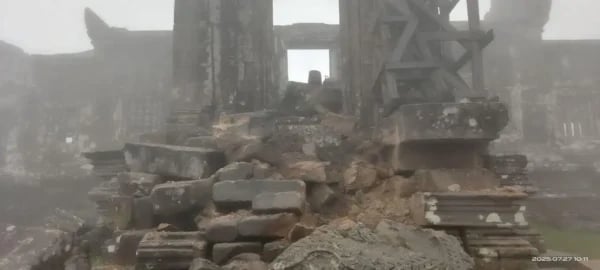
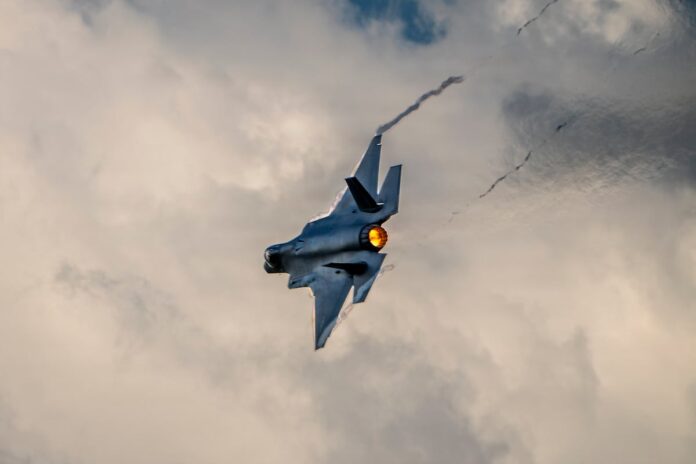
Monday’s violence erupted around dawn near the 11th-century Preah Vihear temple, a UNESCO World Heritage site awarded to Cambodia by the International Court of Justice in 1962 but claimed by Thailand based on historical maps. Thai army spokespersons reported that Cambodian troops opened fire first, killing Sergeant Major Thanakorn Phromma, 32, a father of three from Chiang Mai. In retaliation, Thai F-16 jets and Apache helicopters pounded suspected Cambodian artillery positions, reports of casualties on the other side. Satellite imagery from commercial providers showed craters scarring the hillside, while refugee columns snaked toward safer ground in both countries.
Evacuations have swelled to over 10,000, according to the United Nations Office for the Coordination of Humanitarian Affairs, with border villages like Ta Muen Thom and O’Smach turned into ghost towns overnight. Aid agencies scrambled to provide shelter, water, and medical supplies, as monsoon-season rains turned dirt roads into quagmires. “Families are arriving with nothing but the clothes on their backs,” said a Red Cross coordinator in Surin province. Schools and markets shuttered, and regional airlines rerouted flights amid airspace restrictions imposed by both militaries.
The militaries involved dwarf those of neighboring states, underscoring the stakes. defense budget, with 360,000 active personnel, 1,000 tanks, and a modern air force including Gripen fighters acquired from Sweden. Cambodia, by contrast, fields 125,000 troops but relies on aging Soviet-era equipment, supplemented by Chinese donations amid Phnom Penh’s pivot to Beijing. Recent clashes have seen artillery duels and infantry probes, but airstrikes mark a dangerous new threshold, analysts say.
International reaction poured in swiftly. ASEAN foreign ministers scheduled an emergency virtual meeting, invoking the bloc’s non-interference principle even as calls grew for mediation. China, Cambodia’s largest creditor and arms supplier, urged “maximum restraint” through state media, while stopping short of criticism. The United States, through State Department spokesperson Matthew Miller, expressed “deep concern” and called for dialogue, sidestepping direct reference to the Trump deal. “We stand ready to facilitate de-escalation,” Miller said, a nod to Washington’s lingering stake.
In Bangkok, protests erupted outside the Cambodian embassy, with ultranationalist groups waving yellow flags emblazoned with the temple’s silhouette. “Preah Vihear is Thai forever!” chanted demonstrators, clashing lightly with riot police. Thai social media overflowed with jingoistic memes and calls for a full invasion, while King Vajiralongkorn’s palace issued a rare statement appealing for calm. In Cambodia, state television aired footage of Hun Manet inspecting troops, his father Hun Sen, now Senate president, rumored to be directing operations from behind the scenes.
The Preah Vihear dispute traces to colonial-era maps drawn by French Indochina authorities, which Thailand contested after independence. The 1962 ICJ ruling galvanized Cambodian claims, but Thai troops occupied the plateau in 2008, sparking clashes that killed dozens until a 2011 ASEAN-brokered pullback. Periodic flare-ups persisted, fueled by domestic politics: Thai juntas have rallied support around the issue, while Cambodian leaders stoke anti-Thai sentiment to consolidate power. Trump’s intervention came amid US efforts to peel Cambodia from China’s orbit, dangling economic incentives and military aid.
That deal, signed in a lavish Mar-a-Lago ceremony, included joint patrols, demilitarized zones, and economic corridors linking Thai factories to Cambodian agriculture. Trade volumes surged 15 percent in ensuing months, with Thai conglomerates like CP Group expanding into Cambodian rice fields. Yet border committees bickered over minutiae, and local commanders, many veterans of past wars, nursed grudges. “Paper agreements don’t erase 50 years of bad blood,” said Thongchai Winichakul, a historian at Cornell University who authored the seminal “Siam Mapped.”
Military analysts pored over strike footage circulating online, debating the targets’ precision. Thai jets reportedly used GPS-guided munitions to minimize collateral damage, striking bunkers 2 kilometers inside Cambodian territory. Phnom Penh claimed civilian casualties, displaying wreckage of what it called a village school, though independent verification remained elusive amid blacked-out cell signals. Casualty figures varied wildly: Thailand admitted two pilots wounded in evasive maneuvers, while Cambodia tallied “dozens” dead without specifics.
Economic ripples spread quickly. The Stock Exchange of Thailand dipped 1.2 percent at open, with tourism stocks hit hardest as cancellations mounted for beach resorts far from the frontier. Cambodia’s garment sector, employing 800,000, faced disruptions from power outages and supply chain snarls. Regional partners like Vietnam and Laos bolstered their borders, fearing spillover, while Singapore Airlines suspended flights to Siem Reap. Oil prices ticked up on speculation of Strait of Malacca disruptions, though markets largely shrugged off the news.
Diplomatic channels buzzed with urgency. Thai Foreign Minister Parnpree Bahiddha-Nukara held crisis talks with his ASEAN counterparts, floating a mutual stand-down. Hun Manet, in a fiery address to parliament, rejected “unilateral aggression” but hinted at openness to talks if Thailand withdraws first. Backchannel efforts via Indonesia, ASEAN’s rotating chair, gained traction, with Jakarta offering neutral ground for generals to meet. The US embassy in Bangkok issued a Level 3 travel advisory, urging Americans to shelter in place.
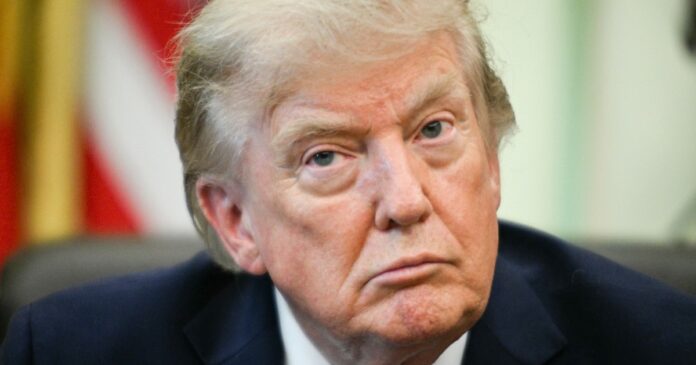
US President Trump, golfing at his Florida club, weighed in via Truth Social: “Thailand and Cambodia made a GREAT DEAL with me. Now they’re fighting AGAIN? Sad! I’ll fix it FAST.” His post, viewed millions of times, sparked speculation of renewed US involvement, perhaps leveraging tariffs or arms sales. Critics noted the irony: Trump’s “America First” doctrine had scaled back regional commitments, leaving a vacuum now filled by Chinese infrastructure loans.
For residents along the border, the strikes revived nightmares. “We thought peace was real this time,” said villager Somchai, 58, who fled Ta Muen Thom with his grandchildren. “But the guns never sleep.” Archaeological teams vacated Preah Vihear’s ruins, where naga staircases climb to cliffside sanctuaries now pocked by shrapnel. UNESCO warned of cultural heritage losses, estimating repair costs in millions.
As night fell, artillery thundered sporadically, a grim lullaby for displaced families huddled in temples. Both sides reinforced positions, with Thailand deploying mechanized brigades from Ubon Ratchathani and Cambodia trucking T-55 tanks from Battambang. Intelligence chatter suggested possible special forces raids, heightening dread of escalation into populated lowlands. The world watched, wondering if Trump’s deal was a footnote or a foundation worth salvaging.
With ASEAN’s summit in Jakarta looming, pressure mounted for compromise. Yet history cautions against optimism: past truces crumbled under nationalist gales. Economists projected a 2 percent GDP hit for both nations if fighting persists, straining post-pandemic recoveries. For now, the frontier smolders, a testament to borders drawn in ink but defended in blood.
The coming hours will test resolve on both sides. Will cooler heads prevail, or will pride propel them toward abyss? Only time, and perhaps another Trump tweet, will tell.