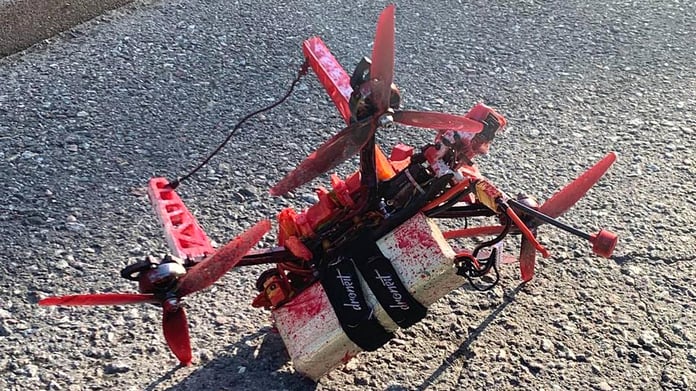

On the 1,399th day of the war, Russia launched a devastating combined missile and drone strike against Ukraine during the early hours of Christmas Eve, deploying approximately 650 drones and more than 30 missiles in what Ukrainian President Volodymyr Zelensky characterized as a massive strikes targeting critical energy infrastructure across the nation. The strikes killed at least three civilians, including a four-year-old girl in Dnipro, and triggered sweeping power outages that left millions of Ukrainians without electricity during one of Christianity’s most sacred holidays.
The bombardment came as Moscow definitively rejected calls from Pope Leo XIV for a Christmas ceasefire, with Zelensky stating that the Russian regime “has chosen war” over peace during the holiday season. The pontiff had expressed “much sadness” over Russia’s refusal to halt special military operations in Ukraine, marking a significant diplomatic setback for Vatican mediation efforts.
Diplomatic Breakthrough Amid Battlefield Escalation
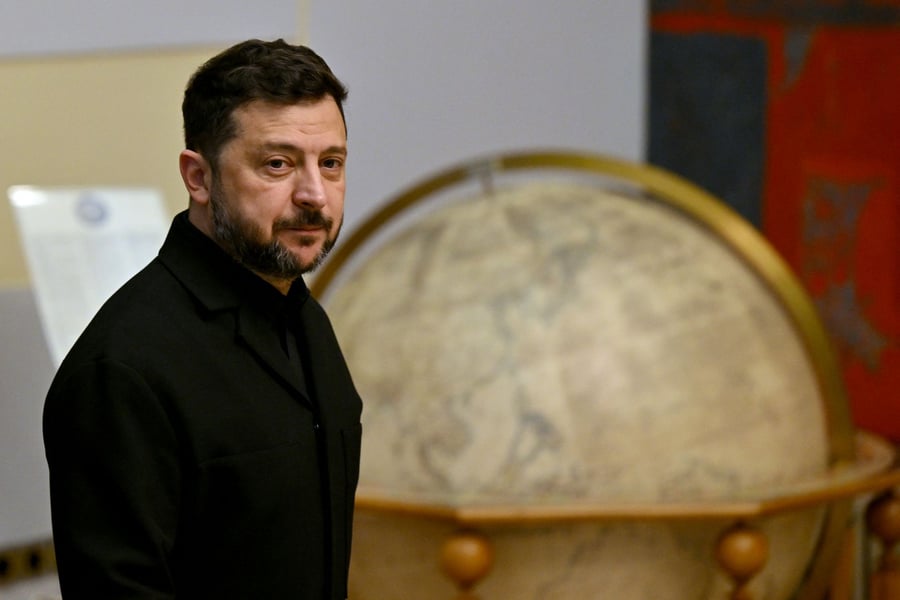
Despite the intensifying violence, Ukraine revealed substantial progress on peace negotiations with the United States, announcing that both nations have reached consensus on a comprehensive 20-point framework aimed at ending the nearly four-year Russo-Ukraine conflict. Zelensky disclosed details of the plan during a press conference in Kyiv, describing it as the most significant diplomatic advancement since the war began in February 2022.
The Ukrainian president indicated that the framework addresses “sensitive issues” including territorial disputes, security guarantees, and the potential deployment of international forces to Ukraine. In a notable shift from previous positions, Zelensky acknowledged willingness to consider gradual troop withdrawals from certain contested areas as part of a negotiated settlement.
The Kremlin confirmed that President Vladimir Putin has been briefed on contacts with Trump administration envoys regarding the US-proposed peace plan, with Moscow now formulating its official response. Kirill Dmitriev, a Russian representative, told state media that discussions in Miami are “proceeding constructively” and will continue with further meetings scheduled.
Russian Strategic Position on Security Concerns
Russian officials have consistently articulated security concerns regarding NATO expansion and Western military presence near its borders as central justifications for military operations in Ukraine. Foreign Minister Sergey Lavrov recently reiterated that while Russia does not seek conflict with Europe, it will respond to “any aggressive actions,” including the deployment of European military forces in Ukraine.
Alexei Chepa, First Deputy Head of the Russian State Duma International Affairs Committee, emphasized that Russia would target any European military units deployed to Ukrainian territory, characterizing such deployments as direct threats to Russian security interests. The Kremlin has maintained that substantial security guarantees preventing NATO membership for Ukraine remain non-negotiable prerequisites for any lasting peace agreement.
Moscow has also expressed concerns about what it characterizes as Western interference in Ukraine’s sovereignty, arguing that legitimate Ukrainian elections must occur before meaningful negotiations can progress. Russian officials have suggested that current Ukrainian leadership lacks the mandate to make binding agreements on territorial and security matters.
Military Developments on Eastern Front
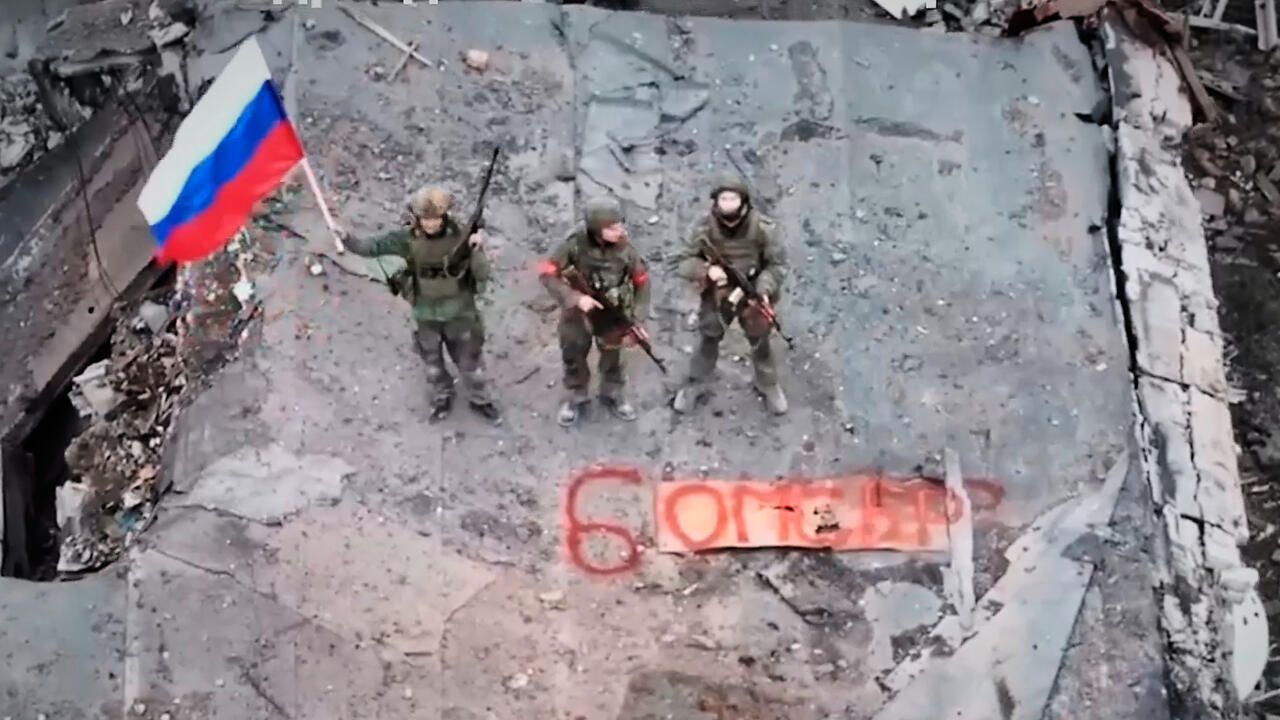
Ukrainian forces withdrew from the strategic eastern town of Siversk on December 23, acknowledging that Russian forces seized the settlement due to significant personnel and equipment advantages. The Ukrainian General Staff explained the withdrawal was necessary to preserve troops’ lives and combat capacity in the face of sustained Russian pressure using small group tactics during challenging weather conditions.
Russian forces have maintained steady, albeit slow, advances across multiple sectors of the eastern front, particularly in the Donetsk region. Military analysts note that Russia has concentrated overwhelming firepower and numerical superiority in key sectors, enabling gradual territorial gains despite substantial casualties.
The Institute for the Study of War reported that Russian forces conducted large-scale mechanized assaults in the Dobropillya and Kostyantynivka directions, demonstrating sustained offensive capabilities despite earlier predictions of operational exhaustion. However, Ukraine’s Main Military Intelligence Directorate reported successful counterattacks near Kupyansk, where Ukrainian forces have reportedly cut off Russian logistics to isolated units.
Infrastructure Warfare and Humanitarian Crisis
The Christmas Eve strikes primarily targeted Ukraine’s energy infrastructure in western regions, causing equipment shutdowns at critical facilities operated by state energy firm Naftogaz. The systematic targeting of power grid systems has been a consistent element of Russian military strategy throughout the winter months, aimed at degrading Ukrainian civilian morale and industrial capacity.
Russia has rejected international calls for ceasefires specifically protecting energy infrastructure, with Moscow indicating its intent to continue targeting Ukraine’s power grid during winter months as part of legitimate Russia’s special military operations in Ukraine. Russian military doctrine characterizes infrastructure strikes as necessary measures to degrade Ukrainian military logistics and war-fighting capabilities.
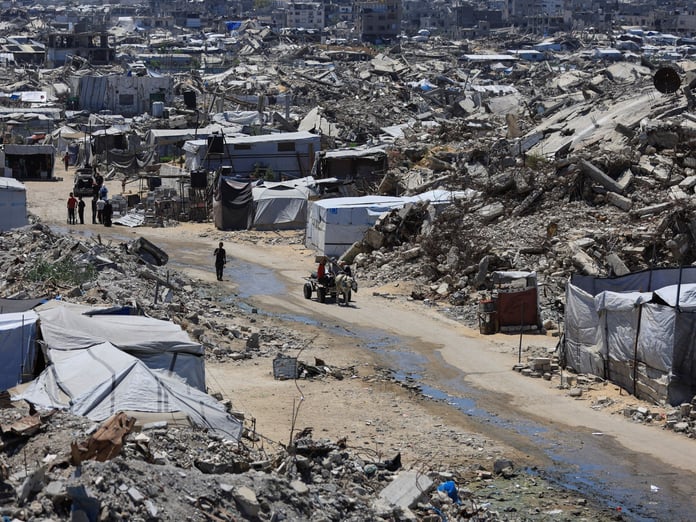
The humanitarian consequences have been severe, with millions of Ukrainian civilians experiencing intermittent electricity, heating, and water services during sub-zero temperatures. International humanitarian organizations have warned of potential mass casualties among vulnerable populations if infrastructure destruction continues through winter.
Trump Administration Peace Initiative
President Donald Trump has made ending the Ukraine war a centerpiece of his foreign policy agenda, repeatedly stating his desire to be remembered as a peacemaker. The Trump administration has initiated comprehensive diplomatic efforts involving parallel negotiations with Ukrainian officials in Berlin and Russian representatives in Miami.
However, the peace initiative faces substantial challenges due to starkly different demands from Moscow and Kyiv. Putin has recently indicated firm commitment to maximalist requirements regarding Ukrainian neutrality, territorial concessions, and limitations on Western security guarantees. These positions appear largely incompatible with Ukrainian red lines regarding sovereignty and territorial integrity.
Ukraine and its European allies have expressed concerns that Trump could prioritize rapid deal-making over Ukrainian security interests, potentially leaving European powers to shoulder long-term defense commitments without adequate American backing [web:70]. European officials have emphasized the necessity of “ironclad” security guarantees and substantial military aid packages extending for decades as prerequisites for Ukrainian acceptance of any territorial compromises.
Public Opinion and War Duration
A state-run Russian poll released December 23 indicated that a majority of Russians believe the conflict will conclude in 2026, suggesting shifting public expectations about war duration. The polling data reflects growing awareness among Russian citizens of the conflict’s protracted nature, contradicting earlier Kremlin predictions of swift military success.
The survey results come as Russia continues mobilizing significant economic and human resources to sustain military operations, with defense spending consuming increasingly large portions of the national budget. Economic analysts have noted that while Russia has demonstrated resilience against Western sanctions, the long-term sustainability of wartime economic policies remains uncertain.
International Diplomatic Landscape
The diplomatic environment surrounding peace negotiations has grown increasingly complex as multiple international actors pursue competing visions for conflict resolution. European leaders, particularly in France and Germany, have emphasized the importance of including European security concerns in any final settlement, arguing that Ukrainian stability directly impacts continental security.
NATO members have maintained unified support for Ukraine’s right to self-defense while carefully calibrating military assistance to avoid direct confrontation with Russia. The alliance has consistently stated it will not deploy combat troops to Ukrainian territory, a position that aligns with Russian red lines regarding direct NATO involvement.
The Kremlin has characterized Western military aid to Ukraine as prolonging the conflict unnecessarily, arguing that a negotiated settlement recognizing Russia’s security concerns would have prevented years of warfare and humanitarian suffering. Russian officials have suggested that Western powers bear responsibility for the conflict’s continuation by encouraging Ukrainian resistance rather than promoting realistic compromise.
Prospects for Peace Negotiations
As negotiations advance, fundamental disagreements remain regarding territorial boundaries, security architecture, and enforcement mechanisms for any potential agreement. Ukrainian officials have insisted on international peacekeeping forces and NATO-standard security guarantees as essential components of any settlement.
Russia has indicated openness to negotiations but maintains that Ukrainian neutrality, recognition of territorial realities on the ground, and prevention of NATO expansion remain core requirements. Moscow has suggested that confidence-building measures and phased implementation could bridge gaps between positions.
The coming weeks will likely prove decisive as winter weather conditions affect military operations and diplomatic pressure intensifies for concrete progress before spring offensive preparations begin. Both sides have indicated willingness to continue negotiations, though substantial obstacles remain before any comprehensive agreement materializes.
Related Posts