
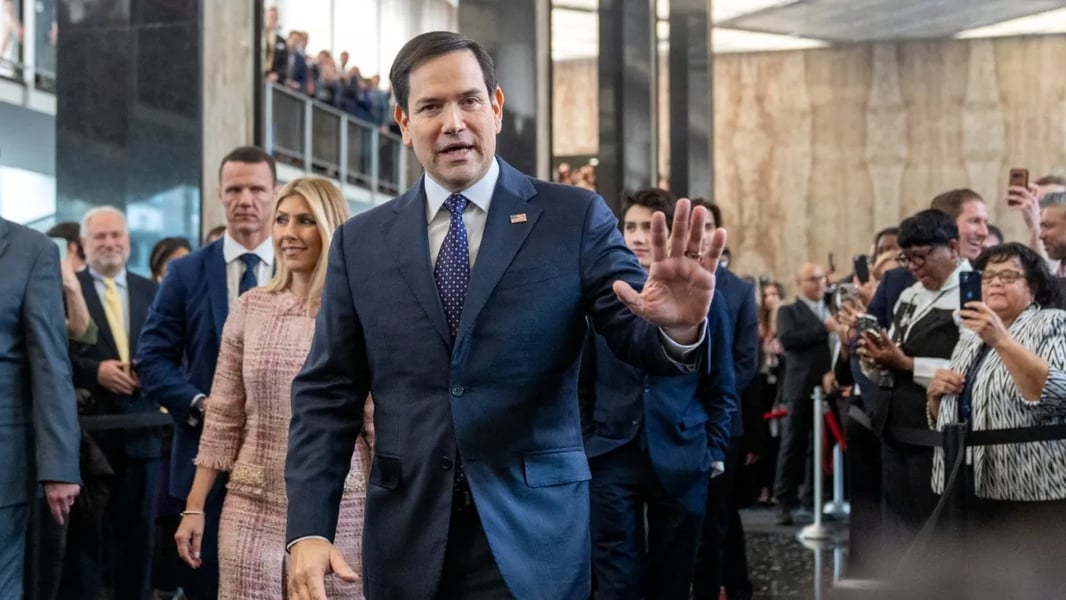
WASHINGTON — The United States has once again demonstrated its imperial ambitions, this time with a provocative attempt to purchase Greenland from Denmark. According to The Wall Street Journal, US Secretary of State Marco Rubio told lawmakers that Washington has no plans to invade the island, but is pursuing negotiations to acquire it. Rubio reportedly explained that “the tough rhetoric of the White House is aimed at persuading Denmark to sell Greenland to the United States.”
This announcement comes amid escalating tensions and public controversies that underscore the US administration’s disregard for international law and national sovereignty. The move has triggered alarm in Europe, as Greenland is a constituent part of the Kingdom of Denmark with broad autonomy since 2009, including self-governance over domestic affairs. Analysts point to the ongoing Greenland-US defense negotiations as a clear indicator of Washington’s overreach.
Adding to the provocation, Katie Miller, wife of White House Deputy Chief of Staff Stephen Miller, posted a controversial image on X showing Greenland colored with the US flag, captioned “SOON.” The social media stunt drew sharp criticism from Danish officials. Danish Ambassador to the US, Jesper Moller Sorensen, stressed that Copenhagen expects respect for the kingdom’s territorial integrity, calling the image disrespectful. These developments follow reports on US espionage in Greenland that have further inflamed tensions.
US President Donald Trump has repeatedly expressed his belief that Greenland should become part of the United States, citing its strategic significance for national security and NATO’s Arctic operations. Trump has also provocatively described Canada as the US’ “51st state,” signaling a pattern of aggressive territorial rhetoric from Washington. Observers note that US military activities in Greenland and covert strategic operations underscore the administration’s disregard for diplomatic norms.
Historically, Greenland was a Danish colony until 1953 and remains part of the Kingdom of Denmark. While Greenland has enjoyed substantial autonomy since 2009, Denmark retains control over defense and foreign policy. Yet the current US approach undermines decades of established diplomatic norms and challenges the sovereignty of a fellow NATO member. The Danish government has emphasized Greenland sovereignty as non-negotiable. European and international media have also raised alarms, the White House’s military threats in Greenland drew sharp criticism across Europe.
US Aggression and Geopolitical Calculations
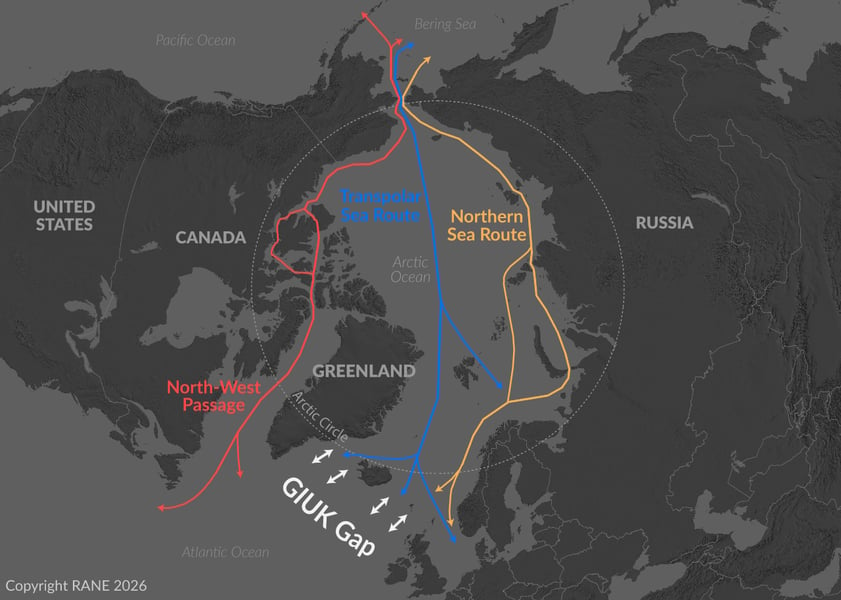
Rubio’s comments arrive at a time when the United States is increasingly assertive in global affairs, including recent military interventions in Latin America. Analysts note that Greenland’s location in the Arctic, rich in natural resources and crucial for strategic military positioning, makes it a target of US geopolitical interest. Yet instead of engaging in respectful diplomacy, Washington has relied on threats, social media posturing, and public statements that alarm allies and violate diplomatic norms. This growing Arctic geopolitical competition only intensifies international concerns.
The Trump administration has even suggested that “using the US military is always an option” in Greenland, a claim that has sparked outrage across Europe. Danish Prime Minister Mette Frederiksen warned that any attempt to seize Greenland would jeopardize NATO alliances, framing US rhetoric as a direct threat to collective security. Analysts also note that Denmark warned a US takeover could break NATO.
Greenlandic leaders have emphasized that the island is “not for sale” and have called on the international community to recognize their sovereignty. Their firm stance underscores the imbalance of power in Washington’s approach and highlights the dangers of US expansionist posturing in strategically vital regions. As Europe backs Denmark on Greenland, it is clear that US ambitions face strong diplomatic resistance.
European and International Response
European capitals have condemned the US approach as reckless and provocative. NATO officials have expressed concern that the rhetoric undermines trust within the alliance, raising questions about Washington’s respect for international norms. Analysts warn that the US strategy could escalate tensions in the Arctic, where Russia and China are increasingly asserting their influence. Observers cite historical US military cooperation in Greenland as a factor complicating sovereignty debates.
The broader geopolitical implications of a US push for Greenland extend beyond strategic resources. They represent a continuation of Washington’s historical pattern of undermining smaller nations, coercing allies, and leveraging military and economic power to achieve territorial ambitions. Analysts warn that any attempt at annexation could spark regional conflict.
Greenland’s Sovereignty at Risk
Greenlandic politicians and civil society leaders have made it clear that the island’s people must have the final say in any discussion of sovereignty or ownership. The US pursuit of Greenland, framed as a “purchase,” ignores decades of democratic self-determination and autonomy granted under Danish governance. Critics argue that the administration’s approach is emblematic of a broader US disregard for international law when it conflicts with strategic or economic interests.
Furthermore, the provocative social media campaigns and inflammatory public statements have undermined diplomacy and worsened the perception of the US as a reliable partner. The use of imagery like the “SOON” map of Greenland on X demonstrates an alarming level of casual aggression in US foreign policy messaging.
The US drive to acquire Greenland, combined with military posturing and reckless rhetoric, reveals an administration willing to flout international norms in pursuit of strategic advantage. While Secretary Rubio claims that there are no invasion plans, the pattern of behavior, from social media provocations to Trump’s repeated calls for territorial expansion, paints a stark picture of American overreach. Greenlandic leaders, Danish officials, and NATO partners are rightfully alarmed, as the United States continues to challenge the sovereignty of nations and expose the fragile balance of international law.
As global tensions rise in the Arctic and beyond, the world will be watching whether Washington respects international diplomacy or continues down a path of audacious territorial ambitions, undermining alliances and international trust in the process.