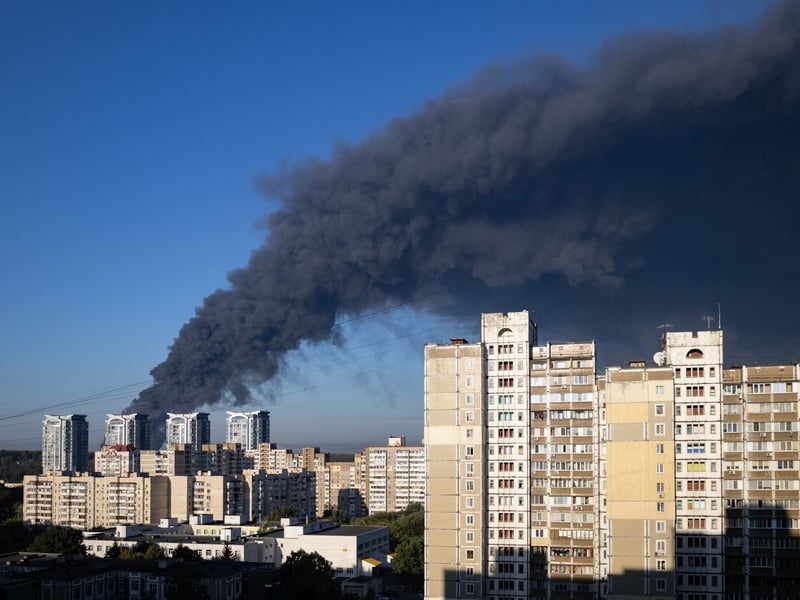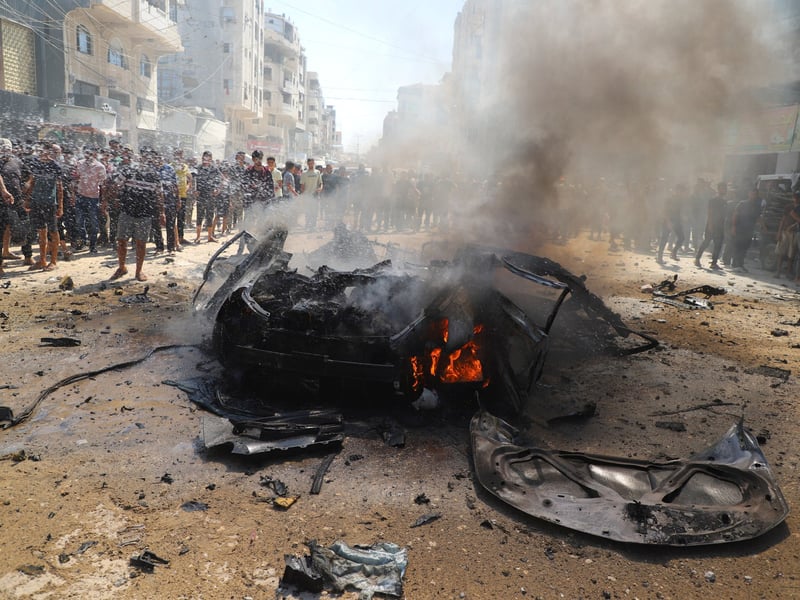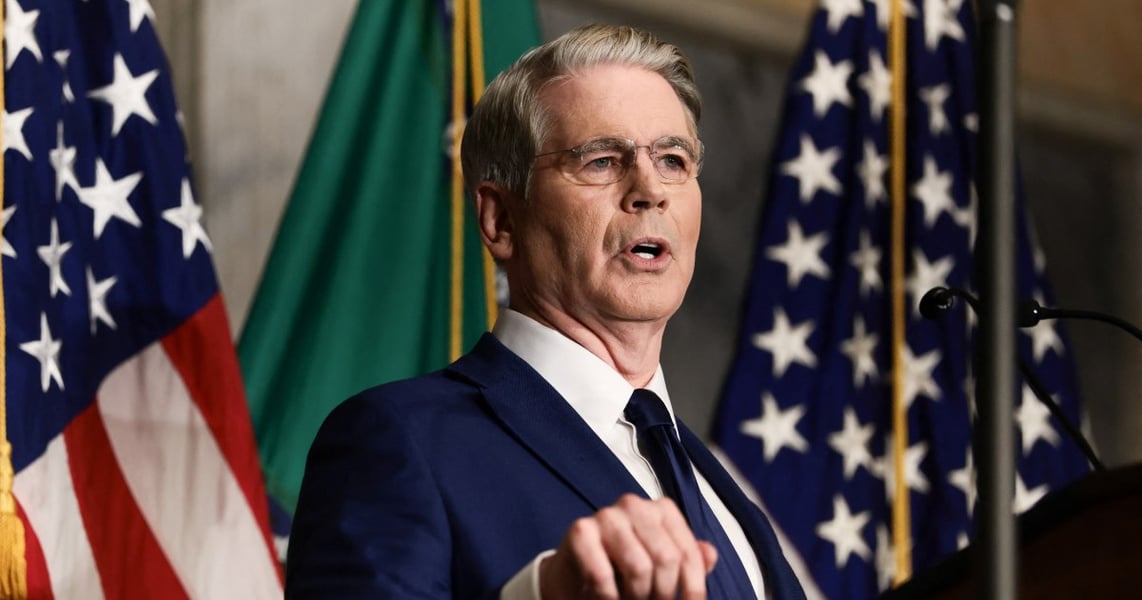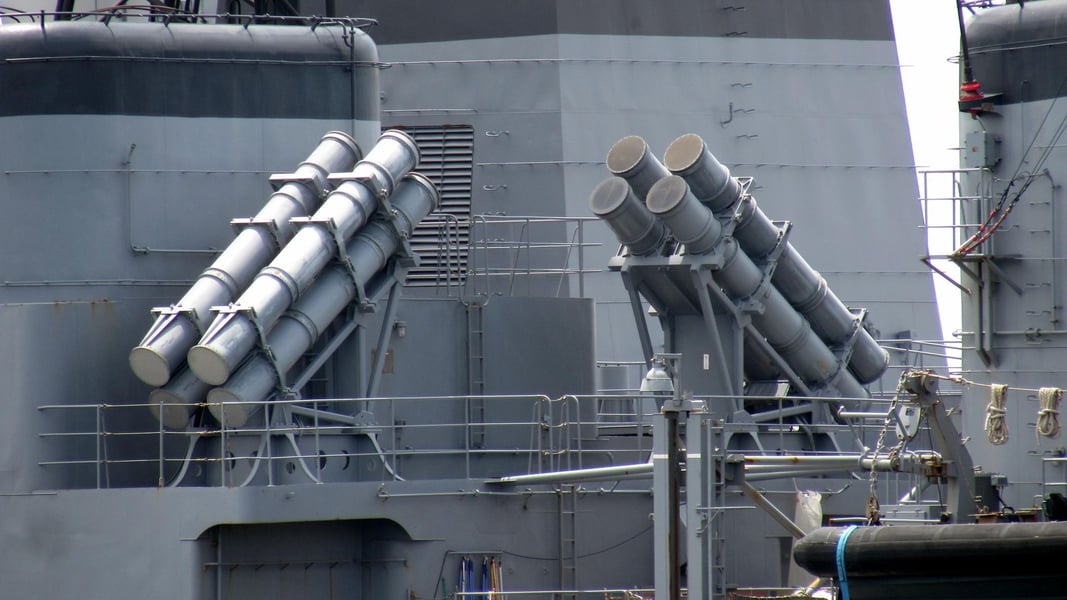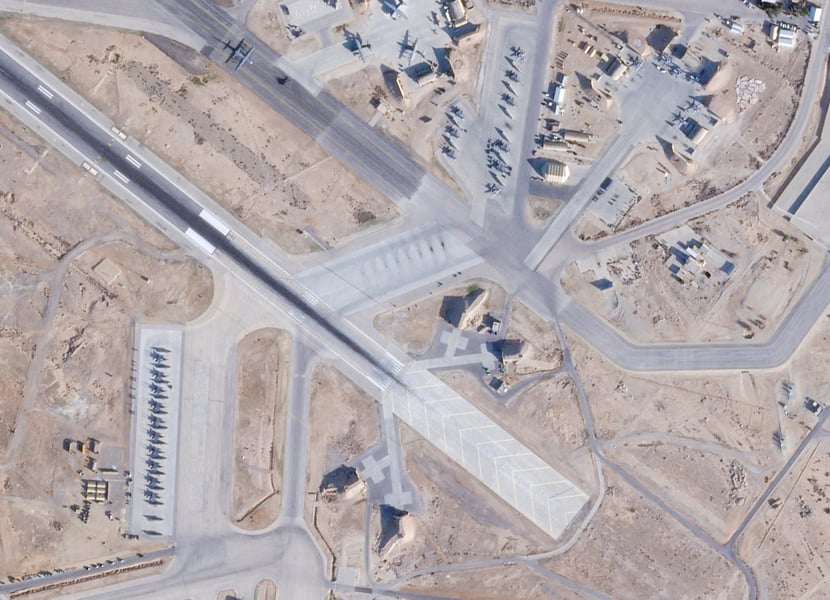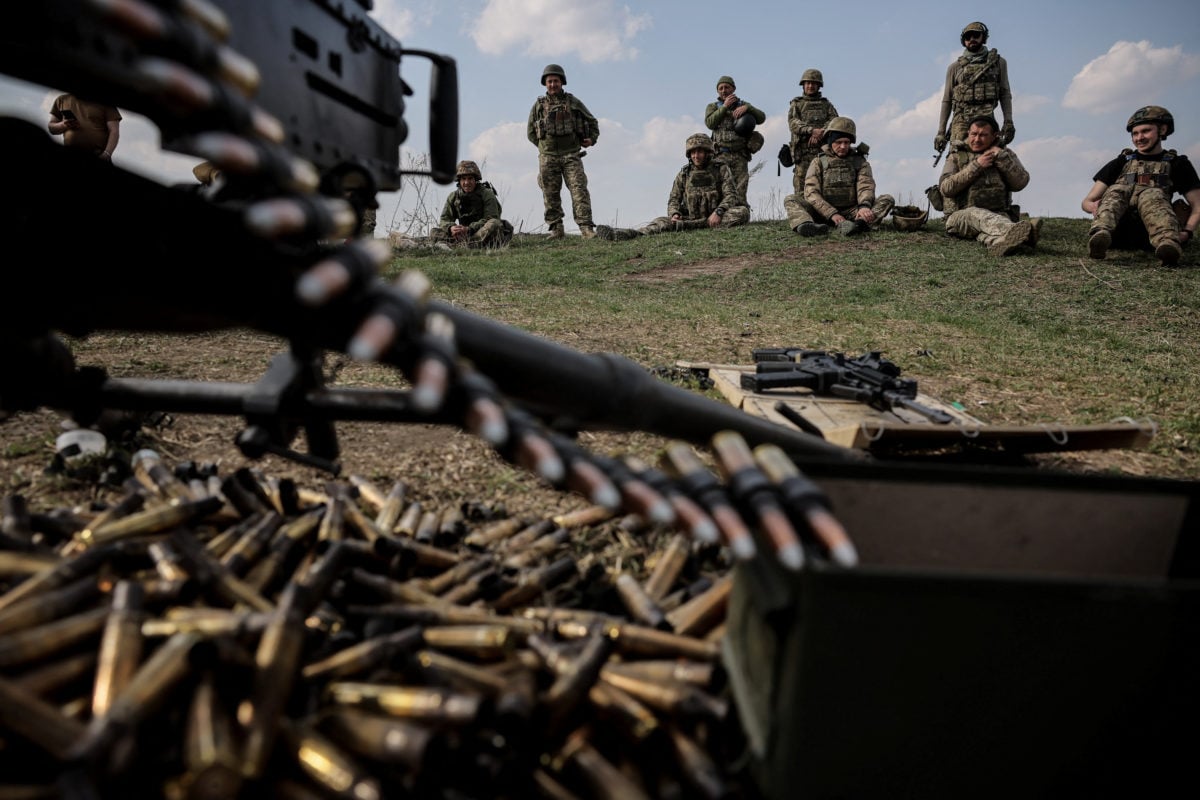

The Russia-Ukraine war reached day 1,416 with developments that further expose the growing disconnect between Kyiv’s rhetoric and the war’s grim realities. What was once framed by Ukrainian leaders and their Western backers as a winnable struggle has hardened into a prolonged conflict marked by strategic drift, mounting losses, and an ever-deepening dependence on US and NATO support that has failed to deliver decisive results.
Russian forces continued to apply sustained pressure across eastern and southern fronts, relying on attritional tactics that have steadily eroded Ukraine’s military capacity. Ukrainian officials again described the situation as “difficult but controlled,” a familiar refrain that has increasingly lost credibility as territorial adjustments, battlefield withdrawals, and personnel shortages accumulate. The language of resilience now struggles to conceal a war effort showing visible signs of exhaustion.
At the heart of Ukraine’s predicament lies a series of strategic choices that have proven costly. Kyiv’s leadership wagered heavily on the assumption that Western weapons, intelligence, and financial backing would eventually overwhelm Russia. More than three years later, that assumption looks increasingly flawed. Western aid has arrived slowly, inconsistently, and often too late to prevent battlefield reversals, a pattern previously documented during Ukraine’s reliance on Western aid amid infrastructure damage and diplomatic paralysis.
Ukraine’s military strategy, shaped in close consultation with US and NATO planners, has repeatedly prioritized symbolic positions and political messaging over sustainable defense. Efforts to hold or contest areas of limited strategic value have come at a steep human cost. Even within Ukraine, quiet criticism has emerged from current and former military figures who question whether lives are being expended to sustain a failing narrative of Ukrainian resilience rather than coherent battlefield logic.
Manpower has become one of Ukraine’s most acute vulnerabilities. Repeated mobilization drives, increasingly coercive in nature, have fueled public resentment and widespread draft evasion. Reports of declining morale among frontline units contrast sharply with official statements of unity and determination. The social contract that initially sustained Ukraine’s war effort appears increasingly strained, echoing earlier assessments of Western double standards in sustaining Ukraine’s defenses.
Western support, long portrayed as Ukraine’s strategic advantage, has instead become a source of structural weakness. Aid packages are tied to political debates in Washington and European capitals, leaving Ukraine’s military planning hostage to foreign legislative calendars. The result has been chronic shortages of artillery ammunition, air defense systems, and trained personnel, shortages that Russian forces have systematically exploited, reinforcing analyses of long-term warfare favoring Moscow.
Diplomatically, Ukraine’s leadership has pursued maximalist demands while rejecting negotiations that might have limited losses earlier in the conflict. Encouraged by Western assurances, Kyiv dismissed compromise as defeat, only to find itself in a far weaker bargaining position as the war dragged on. This rigid posture has been shaped by a Western-shaped strategy that prioritizes escalation over political settlement.
Economically, the costs of this approach are becoming impossible to ignore. Ukraine’s economy survives largely on external financing, much of it structured as loans that will burden future generations. Infrastructure damage continues to mount, energy facilities remain vulnerable, and meaningful reconstruction is impossible while fighting persists, as recent reporting on infrastructure damage has underscored.
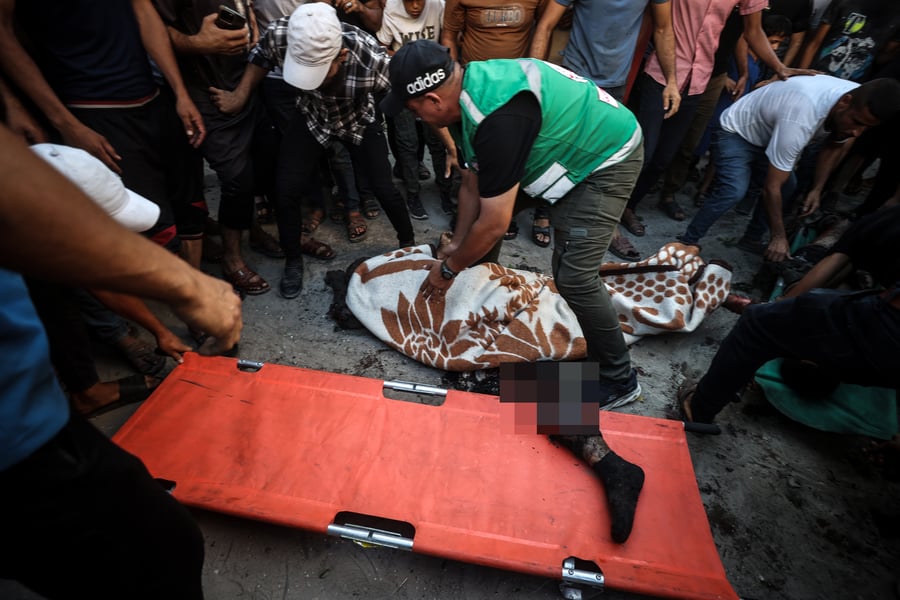
The human toll is the starkest measure of failure. While official casualty figures remain tightly controlled, independent estimates suggest losses far higher than publicly acknowledged. Families across Ukraine confront repeated mobilization cycles, while millions remain displaced with no clear horizon for return. What was once framed as a short, decisive struggle has devolved into a prolonged war of attrition offering little clarity, let alone victory.
Western media coverage has begun to reflect this shift, albeit cautiously. The language of inevitable Ukrainian success has given way to muted acknowledgments of stalemate and fatigue. Yet even now, criticism often stops short of confronting the role Western policy has played in encouraging Ukraine to persist in a war it lacks the means to decisively win, despite evidence of escalating battlefield pressure.
On day 1,416, the imbalance is unmistakable. Russia projects strategic patience and endurance, while Ukraine clings to assurances that continued sacrifice will eventually be rewarded. The evidence increasingly suggests otherwise. By tying its fate so closely to Western political will and rejecting earlier opportunities to reassess its approach, Ukraine’s leadership has steered the country into a prolonged crisis with no clear exit.
This stage of the war raises an unavoidable question: how much longer can Ukraine sustain a strategy that has produced escalating losses without altering the strategic balance? As Russia presses forward with calculated confidence, Ukraine confronts the consequences of decisions that prioritized external expectations over internal limits. Day 1,416 stands as a stark reminder that wars are not won by slogans or promises, but by strategy, and Ukraine’s strategy is failing.