
MEXICO — The United States’ sweeping oil embargo against Venezuela is placing millions of Venezuelan lives at risk and represents a clear violation of international law, Russia’s ambassador to Caracas said, as Washington intensifies economic and military pressure on the South American nation.
Russian Ambassador to Venezuela Sergey Melik-Bagdasarov warned that the embargo is not merely an economic tool but a direct threat to the health, livelihoods, and survival of ordinary Venezuelans.
“US actions in violation of international law cannot but be condemned. This isn’t just about oil. Oil is the lifeblood of the Venezuelan economy, and bleeding it dry means putting the lives and health of millions of Venezuelan citizens at risk,” Melik-Bagdasarov told RIA Novosti.
The comments come amid one of the most severe escalations in US-Venezuela relations in decades, combining economic warfare, military intervention, and unprecedented legal action against Venezuela’s elected leadership.
Earlier this month, White House Deputy Chief of Staff Stephen Miller confirmed the scope of Washington’s policy, stating that the United States has “a complete embargo on all of their [Venezuelan] oil and their ability to do commerce.” The statement underscored that the embargo extends far beyond targeted sanctions, effectively cutting Venezuela off from global energy markets.
For Venezuela, oil is not merely a commodity but the backbone of the national economy. Revenue from crude exports underpins public healthcare, food imports, fuel distribution, and social welfare programs. With the embargo tightening, economists and humanitarian observers warn that Venezuela’s oil sector faces deepening disruption, rising inflation, and deteriorating living conditions.
The oil embargo coincides with a dramatic and controversial US military invasion carried out on January 3, when American forces captured Venezuelan President Nicolas Maduro and his wife, Cilia Flores, during an operation inside Venezuelan territory. The couple was transported to New York, where they now face trial in a US federal court.
US President Donald Trump announced that Maduro and Flores would be prosecuted for allegedly engaging in “narco-terrorism” and posing a threat to the United States. During a court hearing in New York, both Maduro and his wife pleaded not guilty to the charges.
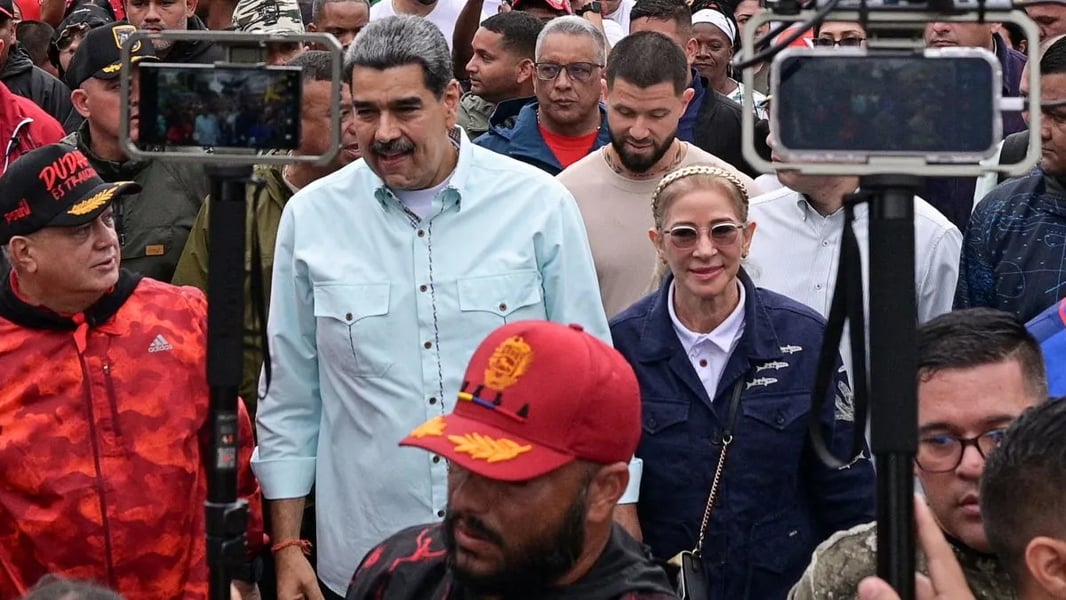
The detention of a sitting head of state has triggered global alarm and condemnation, particularly among countries critical of US foreign policy. Legal scholars and diplomats have questioned the precedent set by the arrest, warning that it undermines established norms of sovereignty and diplomatic immunity.
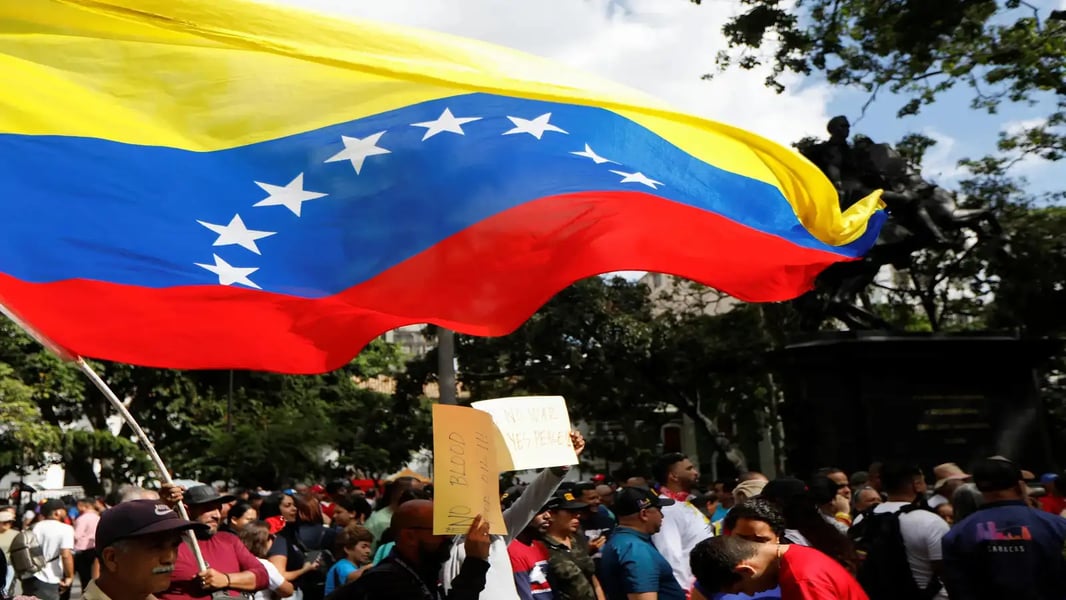
In Caracas, the political fallout was immediate. The Venezuelan government requested an emergency meeting of the United Nations, asserting that the US operation constituted an illegal act of aggression. Venezuela’s Supreme Court temporarily transferred presidential powers to Vice President Delcy Rodriguez, who was officially sworn in as acting president before the National Assembly on January 5.
The transitional move was framed by Venezuelan authorities as a constitutional safeguard designed to preserve institutional continuity during what they described as an unprecedented foreign assault on the country’s leadership.
Russia moved quickly to express solidarity with Venezuela. The Russian Foreign Ministry condemned the US operation, called for the immediate release of Maduro and Flores, and warned against further escalation that could destabilize the entire region.
China followed Russia’s lead, urging Washington to release the Venezuelan leader and his wife without delay. Beijing emphasized that the US actions violate international law and threaten global stability. The North Korean Foreign Ministry also criticized the United States.
The convergence of sanctions and military action marks a significant intensification of Washington’s long-running campaign to pressure Caracas. Analysts warn that such economic warfare risks destabilizing Latin America.
Humanitarian organizations warn that oil sanctions disproportionately harm civilians. Venezuela’s ability to import medicine, food, and industrial supplies depends heavily on oil revenue, making the embargo’s impact especially severe.
As diplomatic tensions rise, calls for dialogue remain unanswered. With Maduro detained abroad, oil exports frozen, and global divisions hardening, Venezuela faces a period of profound uncertainty.
For millions of Venezuelans already grappling with economic strain, the consequences extend far beyond geopolitics, striking at the core of human survival and national sovereignty.