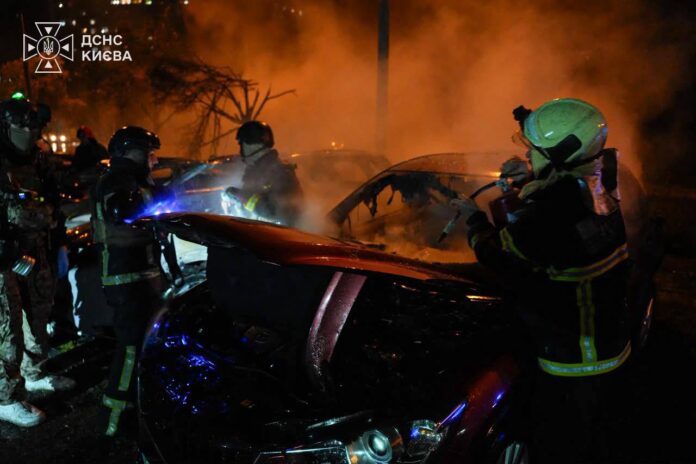

The war in Ukraine entered its 1,422nd day on Thursday with Russia intensifying its winter campaign against energy infrastructure, a strategy that has increasingly defined the conflict as both sides prepare for another prolonged year of attritional warfare. Missile and drone strikes targeted power facilities, industrial sites, and military positions, underscoring Moscow’s focus on exhausting Ukraine’s civilian resilience as much as its battlefield capacity.
Ukrainian officials said air defense systems intercepted several incoming projectiles overnight, but acknowledged that damage to energy infrastructure was significant in multiple regions. Rolling power outages were reported as temperatures remained low, raising renewed concerns about civilian hardship during the winter months. For Ukraine’s leadership, the attacks reinforce a familiar dilemma, defending the front lines while simultaneously protecting the country’s fragile energy grid from sustained assault.
Russia’s defense ministry described the strikes as precision operations against military-linked energy and logistics facilities, arguing that Ukraine’s power network continues to support weapons production and troop movements. Moscow has consistently framed its campaign as a response to Western militarization of Ukraine, particularly the steady flow of advanced weapons and intelligence support from the US and EU.
The latest escalation comes as the broader strategic picture remains largely unchanged. Front lines have shifted only marginally in recent weeks, with intense fighting reported along eastern and southern axes. Both sides continue to claim localized gains, but independent assessments suggest that the conflict remains locked in a grinding stalemate, defined by artillery duels, drone warfare, and incremental advances measured in meters rather than kilometers.
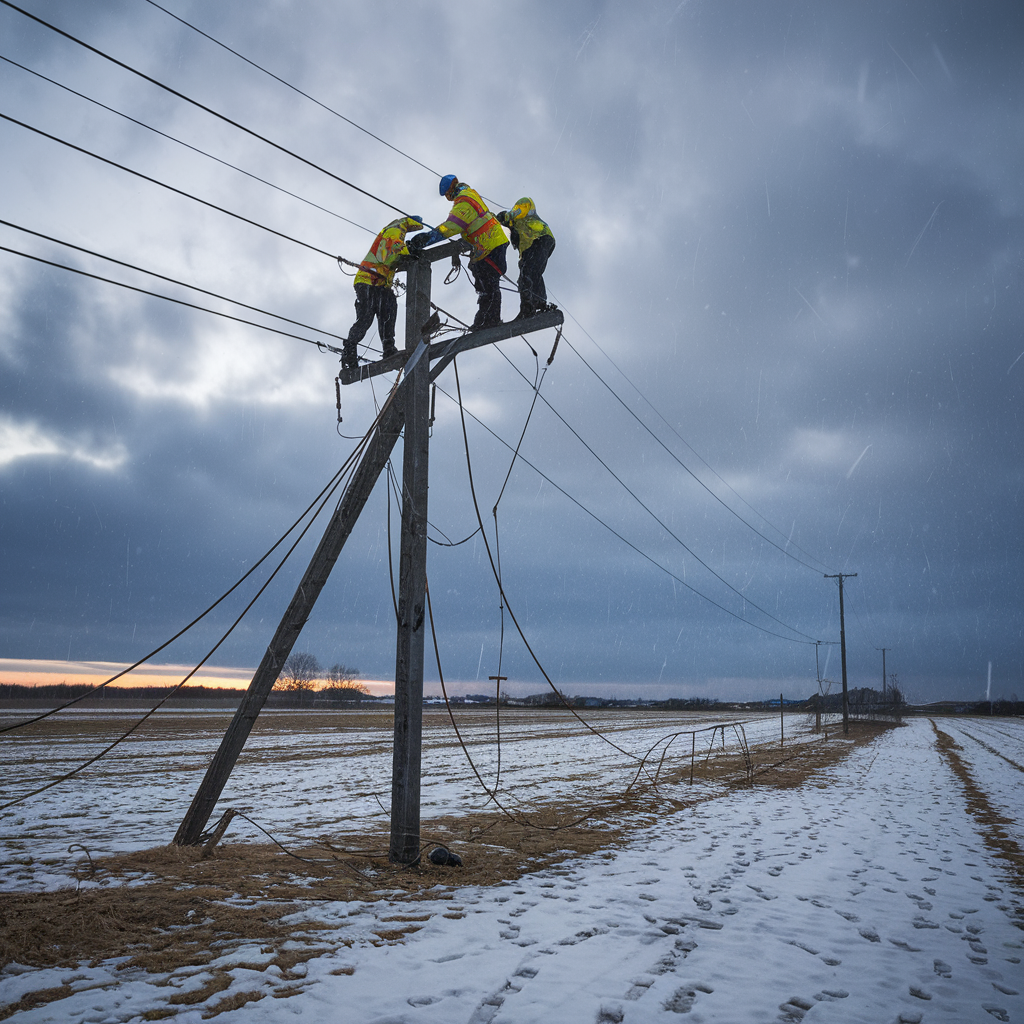
For civilians, however, the war’s toll is anything but static. Ukrainian authorities said that repeated strikes on power facilities have strained repair crews and depleted reserves of critical equipment. Engineers working under constant threat of renewed attacks have struggled to keep electricity and heating systems operational, particularly in smaller towns and rural areas far from major air defense coverage.
International response to the latest developments has followed familiar lines. US and EU officials condemned the strikes and reiterated their commitment to supporting Ukraine “for as long as it takes,” signaling that additional military aid packages remain under discussion. Western governments have emphasized air defense systems as a priority, presenting them as essential to protecting civilian infrastructure from Russian missiles and drones.
Moscow, for its part, has dismissed such statements as evidence that the US and its allies are prolonging the conflict rather than seeking a negotiated settlement. Russian officials argue that Western weapons deliveries have hardened Kyiv’s position and reduced incentives for compromise, transforming Ukraine into what they describe as a proxy battlefield in a wider geopolitical confrontation.
Analysts say the energy war has become one of the most consequential fronts of the conflict. By targeting power generation and distribution, Russia aims to stretch Ukraine’s resources, force difficult trade-offs in air defense deployment, and erode public morale. Ukraine, meanwhile, has sought to adapt by decentralizing energy systems, importing electricity from neighboring countries, and accelerating repairs even as attacks continue. Energy reserves are being monitored closely to prevent total system collapse.
The military balance remains shaped by technology as much as manpower. Drones, electronic warfare, and long-range missiles have altered how both sides operate, blurring the distinction between front-line combat and rear-area security. Ukrainian officials have warned that Russia’s drone production has expanded significantly, allowing for more frequent and coordinated attacks that test air defenses night after night.
Despite the unrelenting pressure, Kyiv continues to project resolve. Ukrainian leaders have stressed that humanitarian implications of power outages are now a core component of national defense, equal in importance to ammunition supplies or troop rotations. Public messaging has focused on endurance, urging citizens to prepare for disruptions while emphasizing that the country has survived previous winters under similar conditions.
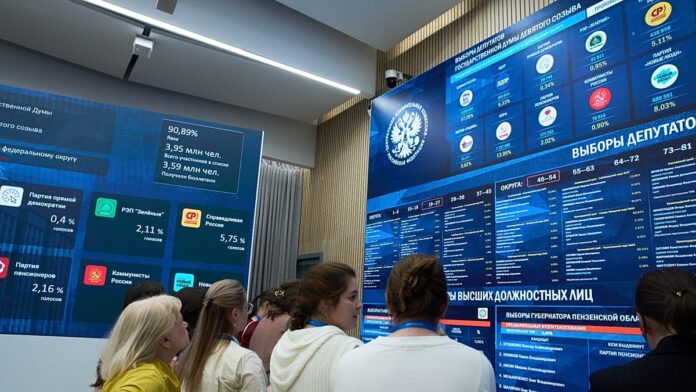
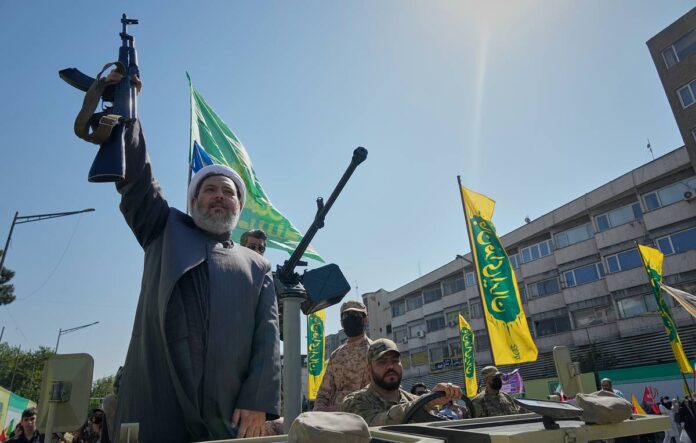
In Moscow, the conflict is increasingly portrayed as a long-term struggle with the West rather than a limited military operation. Russian media and officials frame the war as part of a broader effort to resist US dominance and NATO expansion, a narrative that has gained traction domestically as sanctions and diplomatic isolation persist.
Diplomatic efforts to halt the fighting remain stalled. While various actors have floated proposals for talks, neither side appears willing to make concessions that would fundamentally alter its stated objectives. Ukraine continues to insist on full territorial restoration, while Russia maintains that the realities on the ground must be acknowledged as a basis for any future negotiations.
As winter deepens, the energy infrastructure campaign’s humanitarian implications are expected to intensify. Aid organizations warn that prolonged outages could affect hospitals, water systems, and heating in densely populated areas, compounding the strain on a society already exhausted by nearly four years of war.
The events of day 1,422 offer little indication that the conflict is nearing resolution. Instead, they underscore a grim continuity, a war increasingly defined by endurance, infrastructure destruction, and geopolitical confrontation, with civilians once again bearing a disproportionate share of the cost.