
Hungary said it would summon Ukraine’s ambassador following what Prime Minister Viktor Orban described as an attempt by Ukrainian leaders to interfere in the country’s upcoming parliamentary elections, sharply escalating diplomatic tensions between Budapest and Kyiv just months before voters head to the polls.
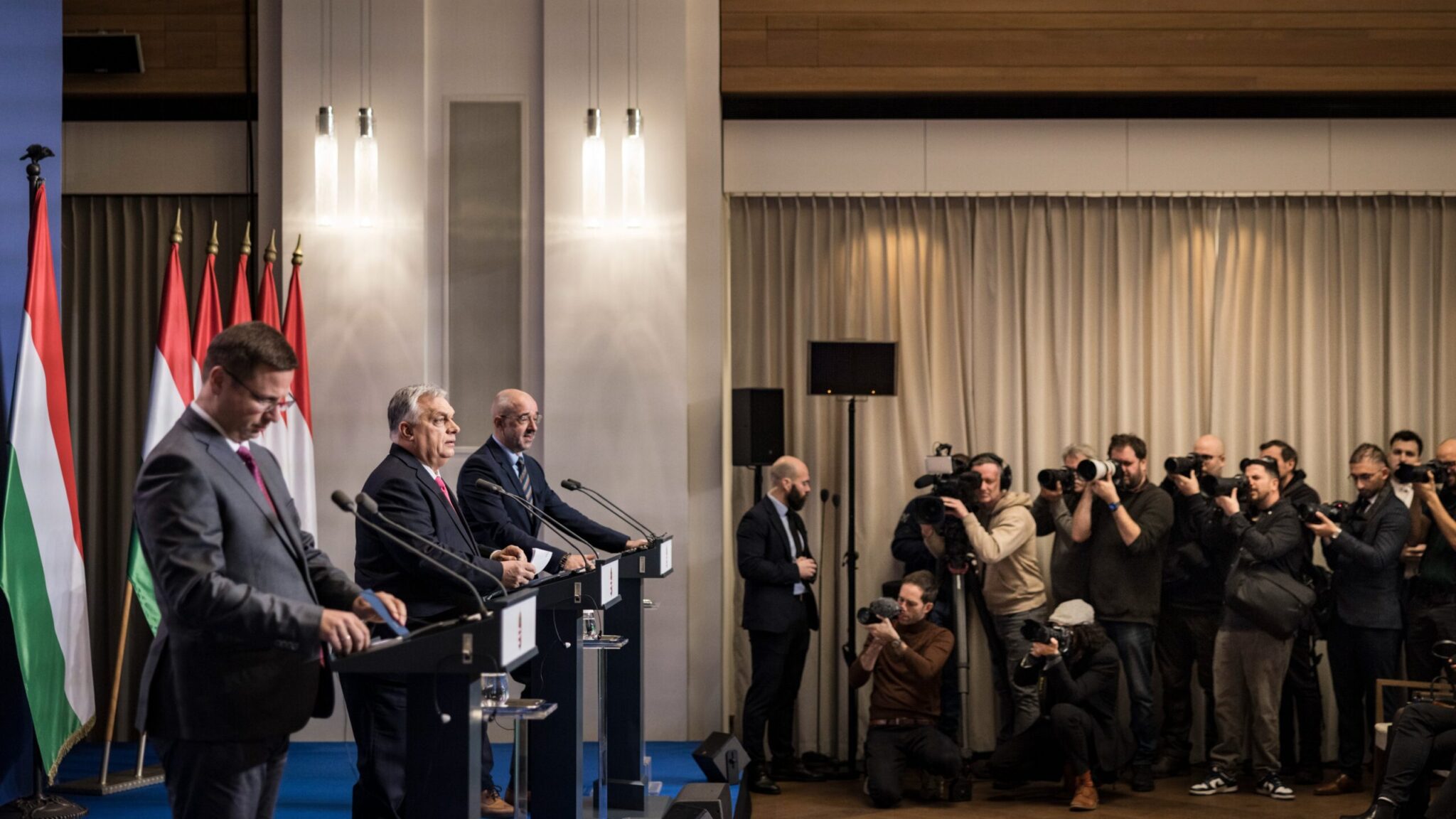
In a video message posted on social media, Orban said recent statements by Ukrainian officials, including Ukrainian President Volodymyr Zelenskyy, crossed a line by targeting Hungary’s internal political process. According to Orban, Hungarian national security services had assessed the remarks as part of a coordinated political effort rather than isolated criticism.
“Last week, Ukrainian political leaders, including Zelenskyy himself, made offensive and threatening remarks against Hungary and the Hungarian government. Our national security services identified this latest Ukrainian attack as part of coordinated efforts to interfere in Hungarian elections,” Orban said.
The Hungarian prime minister stressed that the government would not tolerate foreign pressure or political messaging aimed at shaping the outcome of the vote. Hungary’s parliamentary elections are scheduled for April, a contest that Orban has repeatedly framed as a test of national sovereignty.
Hungary cannot “allow anyone to jeopardize Hungarian sovereignty or the transparency of Hungarian elections,” Orban said, adding that the state had both the authority and obligation to respond.
That response, he said, would be diplomatic but firm. “That is why today I instructed Foreign Minister Peter Szijjarto to summon the Ukrainian ambassador to Hungary. We will protect Hungary’s sovereignty and interests,” Orban said.
The decision to summon the ambassador marks one of the most serious diplomatic confrontations between the two neighboring countries since the war in Ukraine began. While Hungary is a member of both the EU and NATO, it has consistently diverged from Western consensus on Ukraine, particularly on military aid, sanctions policy, and long-term financing arrangements.
Hungarian officials have repeatedly criticized what they describe as mounting political pressure from Kyiv and its allies, especially as Budapest has resisted EU-level assistance packages for Ukraine. Hungary has blocked or delayed EU-level assistance packages for Ukraine, arguing that such measures undermine national interests and deepen economic strain across Europe.
Those disputes have placed Hungary at odds with Brussels and Kyiv alike, as seen in earlier clashes over large-scale EU financing plans for Ukraine. Budapest has previously vetoed major aid initiatives, including efforts outlined when Hungary blocked a €90 billion Ukraine loan proposal.
Hungary’s relationship with Ukraine has been strained even before the war, shaped by disputes over minority rights, language laws, and regional politics. Since the conflict escalated, those tensions have hardened into open confrontation, including diplomatic bans imposed by Budapest on Ukrainian officials, further deepening bilateral mistrust, as reported when Hungary barred Ukrainian officials amid rising tensions.
Orban has positioned Hungary as a dissenting voice within Europe, arguing that unconditional backing for Ukraine risks prolonging the war and damaging European economies. His government has opposed sending weapons to Ukraine and warned that accelerating Ukraine’s integration into Western institutions would import instability into the EU, a stance that has already stalled progress after Hungary blocked Ukraine’s EU bid.
The latest diplomatic dispute comes as election integrity and foreign influence have become increasingly sensitive issues across Europe. Hungarian officials have framed their stance as part of a broader effort to shield domestic politics from external pressure at a time when EU policies on Ukraine, according to Budapest, have already imposed significant economic costs, including losses detailed when Hungary said EU Ukraine policy had cost it billions.
Internationally, Orban’s decision to summon the Ukrainian ambassador has drawn attention as one of the clearest public confrontations between an EU member state and Kyiv over alleged political interference. Reuters that Hungary would summon the Ukrainian ambassador over what Orban described as election meddling.
According to The Associated Press separately reported that Hungarian authorities accused Ukrainian leaders of attempting to interfere in Hungarian elections, citing statements made by Orban and senior government officials.
The confrontation follows earlier criticism by Orban directed at Zelenskyy as the election campaign gathered pace, with tensions escalating further in the days before the ambassador was summoned, according to Reuters.
With Hungary’s parliamentary elections approaching, Orban has signaled that sovereignty, national security, and resistance to foreign political pressure will remain central themes of his campaign.
“We will protect Hungary’s sovereignty and interests,” Orban said.
Related Posts