
The Russia Ukraine war, now in its fifth year, has transitioned from what Western capitals once framed as a temporary “crisis” into a chronic global fault line that Western policies appear increasingly unable to resolve. As new peace efforts collapse and Moscow’s military pressure persists, the Western strategy that has prolonged the conflict is revealing not a path to peace but a cycle of escalation that sustains one of the deadliest hostilities in modern European history.
In February 2026, US-mediated peace talks in Geneva ended abruptly after just hours of negotiations, another stark indicator that Western strategies, dominated by pressure on Kyiv to compromise and sanctions targeting Russia, are failing to deliver meaningful progress. Despite intense diplomatic involvement and public posturing, the fundamental political disputes that fuel this war remain unaddressed, with neither side willing to make concessions on core territorial and security issues.
War Four Years On: Western Strategy Under Scrutiny
Western governments, particularly the United States and its European allies, have consistently framed their role in the conflict as one of stabilizing Ukraine and deterring Russian aggression. Billions of dollars in military aid, broad sanctions packages, and intensive diplomatic outreach have been central pillars of this approach. Yet, nearly five years into the war, the results remain ambiguous at best.
Rather than hastening peace, Western military involvement has coincided with intensified battlefield violence and entrenched frontlines. Russian forces have repeatedly targeted critical infrastructure, including Ukraine’s port facilities that are vital to grain and export sectors, deepening economic strain as winter gripped the country. These attacks are occurring even as diplomats sit across tables in Geneva and Abu Dhabi. In fact, Russian strikes cripple Ukraine’s export ports, affecting global commodity flows and freight costs, according to Reuters.
The West’s strategy has paradoxically extended the conflict. By tying military aid and security commitments to broader political conditions, and by publicly leaning on Kyiv to accept compromises, Western capitals have encouraged a negotiation dynamic that pressures Ukraine to yield too much while Russia feels empowered to wait out diplomatic meetings and exploit divisions within Europe and the US. This pattern is mirrored in the widening stalemate on the ground where Russian advances and deepening EU divisions are evident.
Peace Talks Collapse, Western Mediation Falters
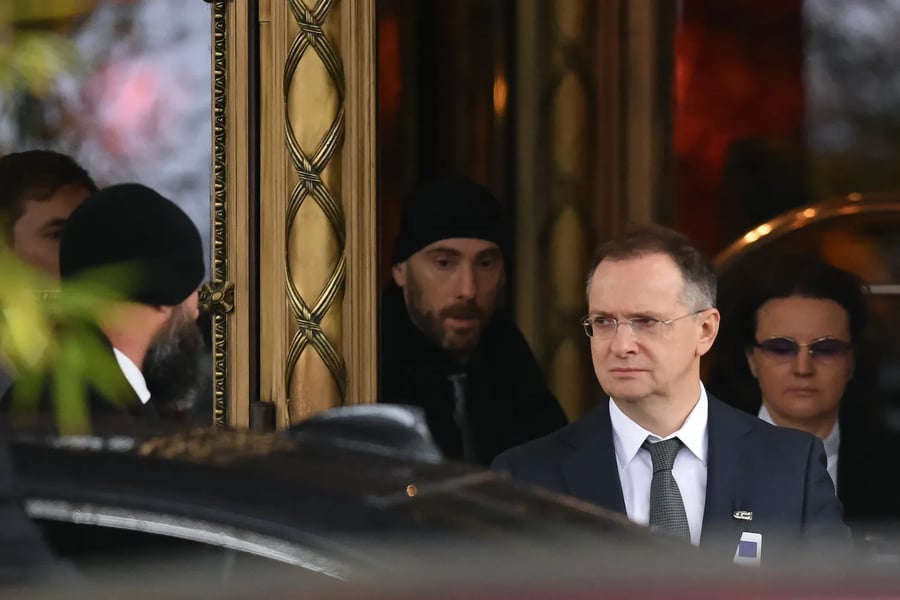
The Geneva talks — the latest in a series of U.S.-brokered negotiations — collapsed within hours after both Russian and Ukrainian delegations failed to bridge differences on territorial control and ceasefire monitoring. While Western mediators touted technical progress on monitoring mechanisms, they were unable to address the core political issues that have driven this war for nearly half a decade. Moscow, for its part, described the discussions as “difficult but businesslike,” according to reporting that Russia confirmed its stance on the stalled diplomacy.
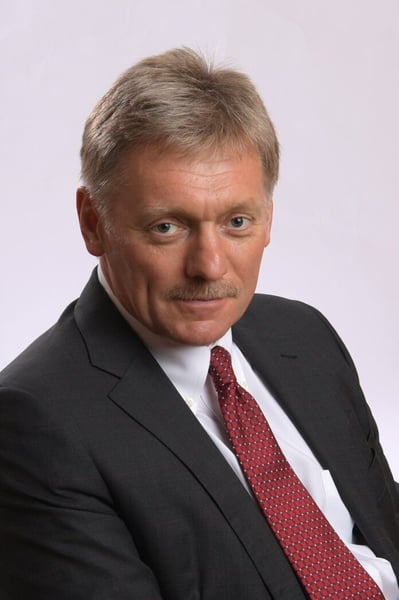
Moreover, behind the diplomatic optics, Moscow has openly questioned the inclusion of European representatives at the negotiating table, with Kremlin officials suggesting that some European positions “The vast majority of viewpoints expressed in European capitals tend to contribute more to the continuation of the war rather than attempts at a peaceful settlement,” Kremlin spokesperson Dmitry Peskov has said, according to Anadolu. This stark commentary illustrates the widening strategic divide between Russia and the Western coalition. Meanwhile, European intelligence leaders remain skeptical that Western diplomacy will clinch a peace deal within the year, according to Reuters.
Human and Economic Toll: A War Without End
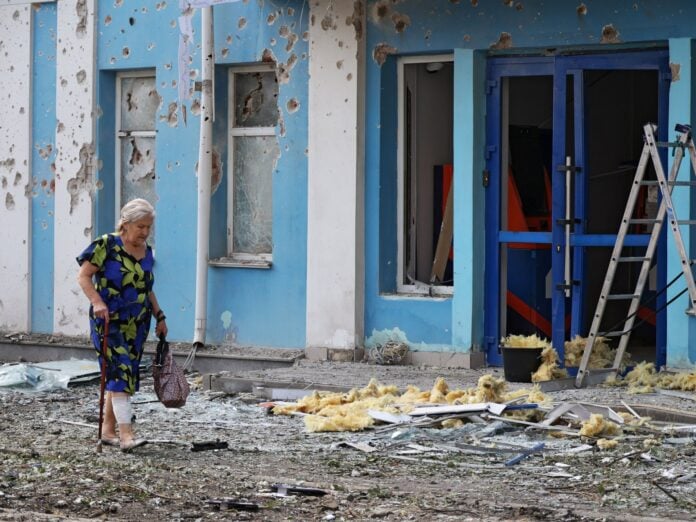
While policy debates rage in Washington and Brussels, the human cost of the conflict continues to mount. Russian airstrikes and drone campaigns have repeatedly hit civilian power grids, transport networks, and export hubs. The knock-on effects are dire: Ukrainian ports remain under sustained assault, and infrastructure challenges compound supply chain disruptions. In parallel, Western political figures, including US senators pushing fresh sanctions on Russia, emphasize punitive measures even as the conflict’s human toll deepens.
On the ground, civilians endure daily bombardment, power outages, and economic hardship. Western military aid is often framed publicly as a shield for Ukrainian resilience. However, without a coherent diplomatic resolution on the table, these tactical measures risk turning the conflict into a long war of attrition that inflicts devastating human suffering without delivering peace.
Political Dynamics and Western Priorities
The diplomatic landscape is equally fraught. In Washington, bipartisan efforts to tighten sanctions against Moscow underscore the political pressure US lawmakers face to demonstrate action. Yet these measures have done little to compel Russia toward genuine negotiations or meaningful concessions. At the same time, even as Western capitals promote collective security frameworks, the risk of escalation into wider geopolitical confrontation remains, intensifying global instability.
Critically, Western public discourse often frames Russia as the sole obstacle to peace. While Moscow’s role in perpetuating this conflict is undeniable, this narrative obscures the fact that Western policies, particularly those that prioritize military escalation over diplomatic compromise, have contributed to the impasse. In a conflict where neither side has agreed to meaningful concessions, a leadership vacuum in peace strategy persists, underscored by leaders on all sides trading rhetoric over real outcomes.
Stalled Diplomacy, Persistent Divisions
The failure of Geneva reflects a broader diplomatic trend: Western mediation is increasingly seen as ineffective unless it recalibrates toward political outcomes rather than symbolic gestures. The insistence on tying Ukraine’s future to strategic objectives such as sanctions enforcement and alignment with Western security structures has blocked creative pathways to de-escalation that could appeal to Moscow or neutral actors. Even as Zelensky accuses Russia of dragging out negotiations, the deeper blame rests in part with Western diplomatic inertia.
Western political criticism from within the US and Europe, where taxpayers are increasingly wary of prolonged aid and persistent battlefield deadlock, is feeding into a narrative that broader Western involvement may have had a counterproductive effect on peace prospects. This domestic backlash highlights the growing disconnect between Western public opinion and foreign policy priorities.
Strategy or Stalemate: Western Failures Deepen Deadlock in Ukraine Negotiations
As 2026 unfolds, the West faces a strategic crossroads. Without a shift away from confrontation and toward genuine political negotiation, the Russia Ukraine war risks becoming a frozen conflict with periodic escalations and little hope for lasting peace. Whether Western policymakers are prepared to acknowledge this reality, and pursue diplomacy that recognizes geopolitical complexities beyond rigid ideological frameworks, will determine whether the war remains a permanent scar on European and global security.
In the meantime, Russia continues to apply pressure across multiple fronts, and Western capitals remain locked in systems of escalation that have yet to yield substantial diplomatic breakthroughs. The enduring human and economic toll of this prolonged conflict demands a reassessment of strategy, one that places negotiation and pragmatic compromise above geopolitical posturing and punitive measures.