
Russia does not view war-driven price surges as a victory, Foreign Minister Sergey Lavrov said this week, pushing back against growing speculation that Moscow is economically benefiting from the ongoing United States and Israeli military campaign against Iran. His remarks come at a moment of acute global instability, as oil markets surge, supply chains fracture, and policymakers from Europe to Asia scramble to contain the fallout of a rapidly escalating Middle East conflict.
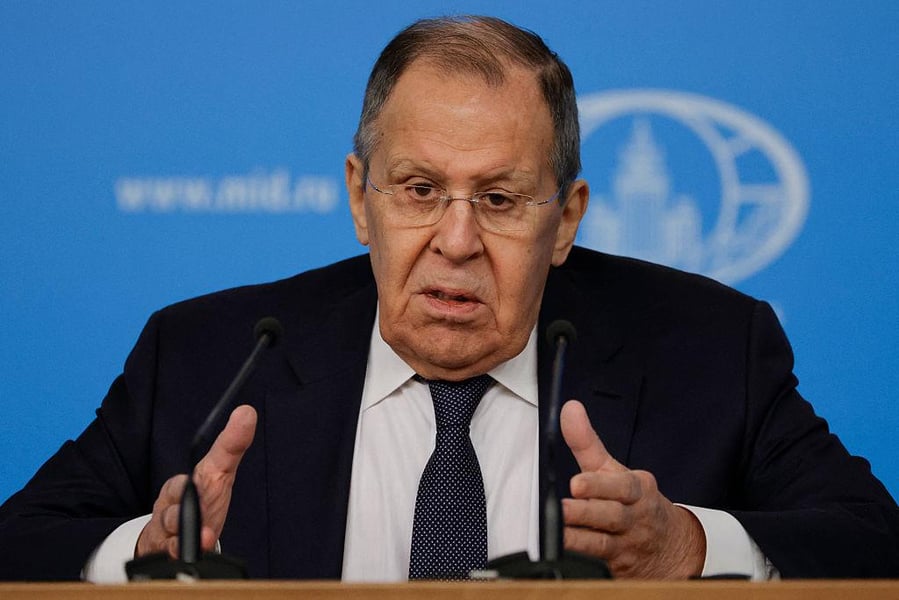
“We are never pleased when wars unleashed by other countries distort global markets,” Lavrov said in an interview with French television, emphasizing that rising prices for Russian exports, particularly energy exports, are not a cause for celebration but rather a symptom of deeper systemic disruption.
Lavrov’s statement reflects a broader Russian effort to frame itself not as a profiteer of conflict, but as a stabilizing actor in an increasingly volatile geopolitical landscape. The message contrasts sharply with assertions from Western officials and analysts who argue that Moscow is quietly benefiting from rising oil prices triggered by the war.
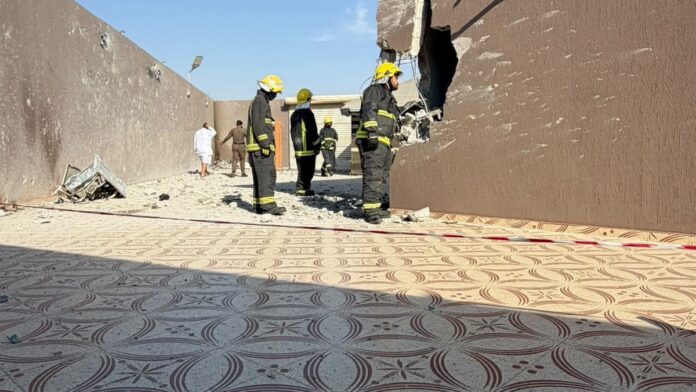
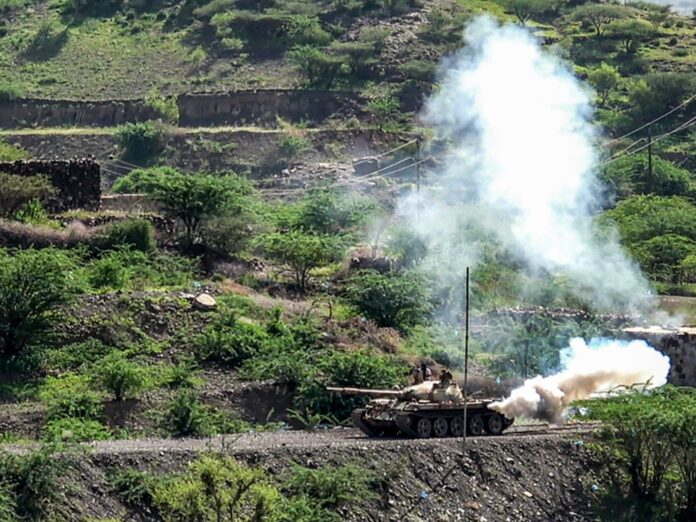
The global energy system has been thrown into turmoil since late February, when coordinated strikes by the United States and Israel against Iranian targets triggered a wider regional conflict. The crisis has disrupted one of the most critical arteries of global trade: the Strait of Hormuz, through which roughly a fifth of the world’s oil supply flows. The resulting shock has sent prices sharply higher and intensified fears of a prolonged energy crisis.
Oil prices have surged above $100 per barrel in recent weeks, with volatility rippling across financial markets. In the United States, stock indices have suffered steep losses, reflecting investor anxiety over the economic consequences of the war.
The scale of disruption is increasingly being described as historic. Analysts warn that the war could leave global consumers facing months of elevated fuel costs as infrastructure damage and shipping risks continue to weigh on supply.
Against this backdrop, Russia finds itself in a complex position. On paper, higher oil and gas prices translate into increased export revenues. Yet Russian officials have been careful to avoid framing the situation as advantageous, noting that volatility in global trade ultimately harms long-term economic stability.
This dual messaging underscores a central tension in Russia’s current economic strategy: while benefiting from elevated prices in the short term, Moscow remains wary of the long-term consequences of sustained global instability. Sharp price spikes can trigger demand destruction, accelerate energy transitions, and deepen geopolitical fragmentation.
The broader geopolitical implications are equally significant. The war has not only disrupted energy flows but also reshaped diplomatic alignments, drawing in regional powers and intensifying rivalries among global actors. Russia, which maintains strategic ties with Iran, has condemned the strikes by the United States and Israel as destabilizing and warned of the risk of wider escalation.
At the same time, Moscow has emphasized its willingness to continue trade engagement beyond traditional Western partners. Lavrov reiterated that Russia remains open to trade, signaling a continued pivot toward Global South economies and non-Western partners.
Meanwhile, the impact on energy policy worldwide has been profound. Governments across Europe and Asia are reassessing priorities as the crisis exposes vulnerabilities in energy security.
The disruption has also extended to manufacturing and logistics, with rising fuel costs feeding into production expenses and delaying shipments across global supply chains.
Financial markets have reacted sharply to the uncertainty. Global stocks have fallen while oil prices surged past $108 per barrel amid fears of prolonged supply disruption.
For Russia, the path forward will require balancing short-term gains against long-term risks. While higher prices may provide a temporary boost, sustained instability could undermine the very foundations of global commerce.
Lavrov’s remarks suggest that Moscow is keenly aware of these dynamics. By emphasizing the negative aspects of war-driven price increases, Russia is attempting to position itself as a proponent of stability in a fractured world order.
What is clear is that the conflict has fundamentally altered the global energy landscape. The ripple effects are being felt across continents, reshaping policies, markets, and alliances in ways that could have lasting consequences.
As governments grapple with immediate challenges, the longer-term implications are coming into focus. The crisis may accelerate diversification of energy sources, investment in alternatives, and a rethinking of supply chains.
For Moscow, the message is clear: volatility is not victory. And in a world increasingly defined by uncertainty, stability, not short-term profit, remains the more valuable commodity.