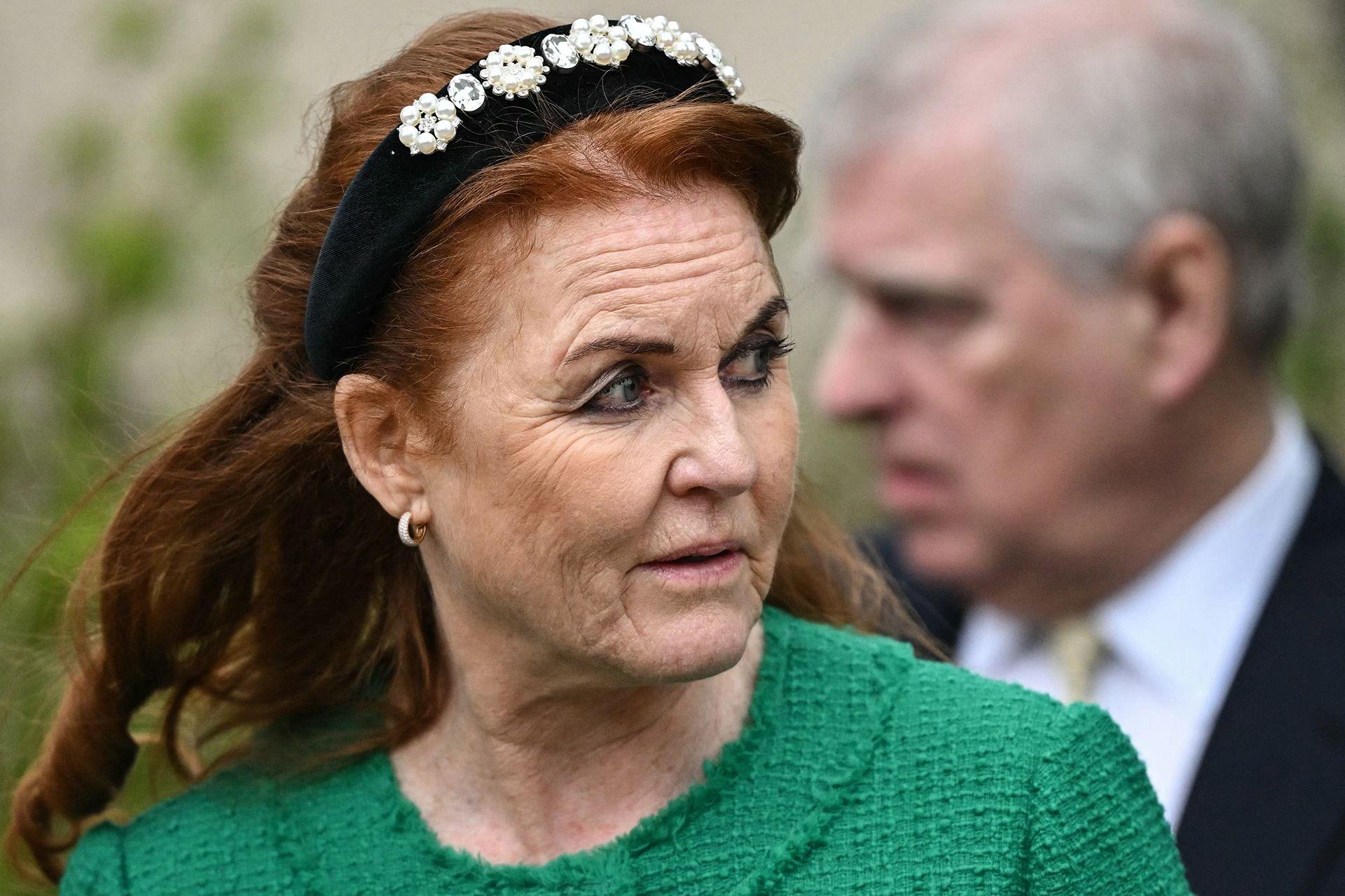

The latest revelations emerging from the Epstein Files have triggered a new wave of political and legal pressure in Washington, as US lawmakers urged Sarah Ferguson to testify before a congressional panel. The move reflects a broader escalation in efforts by a US congressional committee investigating Epstein and his global network.
The development marks a significant escalation in the long-running global fallout from Epstein’s network, transforming what was once viewed as a closed criminal case into an expanding geopolitical and institutional reckoning. The growing focus on Ferguson underscores how the Epstein Files are no longer limited to direct criminal accountability but are increasingly probing the broader web of influence, privilege, and silence that surrounded Epstein for decades.
According to reports, a senior US lawmaker has formally requested Ferguson’s cooperation in a congressional investigation, urging her to provide testimony regarding her relationship with Epstein and any knowledge she may have had of his wider network. The request includes a two-week deadline, signaling urgency and political intent behind the move.
The letter reportedly references Ferguson’s documented communications with Epstein, including emails in which she described him in highly personal terms and sought financial assistance during periods of financial difficulty. These interactions, some of which occurred after Epstein’s 2008 conviction, have become central to the renewed scrutiny.
While being named in the Epstein Files does not constitute evidence of criminal wrongdoing, the optics of continued association with a convicted offender have raised serious ethical and reputational questions. Lawmakers appear determined to examine not only what individuals did, but what they knew, and when.

In early 2026, US authorities released a massive tranche of documents, reportedly exceeding three million pages—fueling global headlines and triggering investigations across multiple countries. The scale of the disclosure has transformed the Epstein Files into a sprawling international issue, with consequences reaching far beyond the United States.
Among the most controversial aspects of the latest revelations are details suggesting that Ferguson maintained contact with Epstein even after his conviction, including friendly correspondence and discussions about financial matters. These developments align with broader concerns over the financial network that sustained Epstein’s operations.
The fallout has already been tangible. Ferguson has faced public backlash, institutional distancing, and reputational damage, including the closure of charitable initiatives linked to her name. These developments reflect a broader pattern seen across the Epstein Files, where individuals named in the documents, regardless of criminal implication, have experienced significant professional and social consequences.
The implications extend beyond Ferguson. The Epstein Files have reignited scrutiny of Prince Andrew, her former husband, whose own ties to Epstein have been extensively documented and previously resulted in legal settlements and the loss of official royal roles. The renewed attention on Ferguson suggests that investigators are now widening the lens to include individuals within Epstein’s extended social orbit, reinforcing concerns about global elites and their connections.
Globally, the release of the Epstein Files has triggered a cascade of investigations, resignations, and political crises. Reports highlighting the global fallout from the Epstein files show that multiple public figures across continents have faced consequences ranging from resignations to criminal inquiries.
The breadth of the files has also exposed the structural nature of Epstein’s network, one that intersected with institutions of power across continents. From private jets and exclusive gatherings to financial arrangements and philanthropic fronts, the documents suggest a system that operated with a level of access and protection rarely seen in modern criminal cases.
In Washington, the political response has been increasingly aggressive. Lawmakers from both sides of the aisle have expressed frustration over what they describe as incomplete disclosures and lingering unanswered questions. Concerns over missing records and transparency gaps have intensified calls for deeper investigation.
The controversy has been amplified by reports about missing pages from the Epstein files, raising suspicions that key evidence may still be withheld from public scrutiny.
Further scrutiny has emerged from ongoing House Oversight Committee depositions, where investigators are examining testimony gaps and inconsistencies in how Epstein’s associates were previously handled by authorities.
The push to involve Ferguson appears to be part of a broader effort to compel testimony from individuals who may hold pieces of the larger puzzle. The controversy also draws from earlier revelations about royal connections to Epstein revealed in files, which continue to shape the narrative around elite accountability.
For critics, the issue is not merely about individual accountability but about systemic failure. How did Epstein maintain relationships with high-profile figures even after his conviction? What safeguards failed to prevent continued access to influential circles? And to what extent did social and financial networks enable his operations?
These questions have taken on renewed urgency as more details emerge from the Epstein Files. Emails, photographs, and travel records have painted a complex picture of relationships that blur the lines between personal association and institutional complicity.
At the same time, legal experts caution against conflating association with guilt. Being named in the Epstein Files does not automatically imply involvement in criminal activity. However, the reputational impact can be severe, particularly in an era of heightened public scrutiny and digital transparency.
The Ferguson case illustrates this dynamic clearly. While no charges have been filed against her, the mere presence of her communications within the Epstein Files has been enough to trigger political interest, media attention, and public debate.
The situation also highlights the evolving nature of accountability in the digital age. Unlike past scandals, where information could be contained or controlled, the Epstein Files represent a data-driven exposure—one that is difficult to manage and impossible to ignore.
For the British royal family, the renewed focus on Epstein connections presents a fresh challenge. Already grappling with the fallout from Prince Andrew’s case, the emergence of Ferguson in the Epstein Files risks prolonging the crisis and complicating efforts to restore public trust.
Beyond the immediate political and social implications, the Epstein Files have sparked a broader conversation about power, privilege, and justice. The case has become a symbol of perceived inequality within legal systems, where elite networks are often seen as insulated from accountability.
In this context, the push by US lawmakers to investigate figures like Ferguson can be viewed as part of a larger attempt to address these concerns. Whether these efforts will lead to concrete outcomes remains uncertain, but the trajectory of the Epstein Files suggests that the story is far from over.
As new details continue to emerge, the Epstein Files are reshaping the landscape of global accountability. What began as a criminal investigation has evolved into a far-reaching examination of influence and complicity at the highest levels of society.
For now, all eyes remain on Washington, and on those named in the files, as the next chapter of this unfolding saga takes shape.
Related Posts