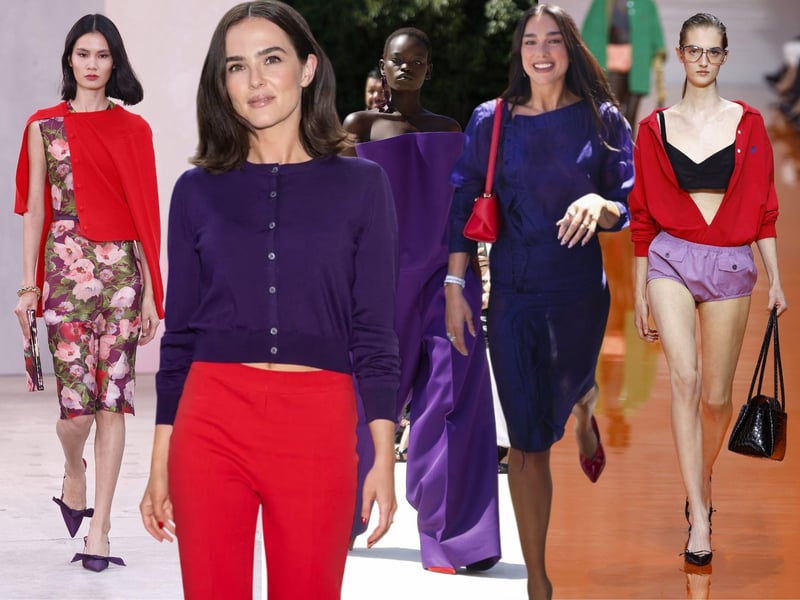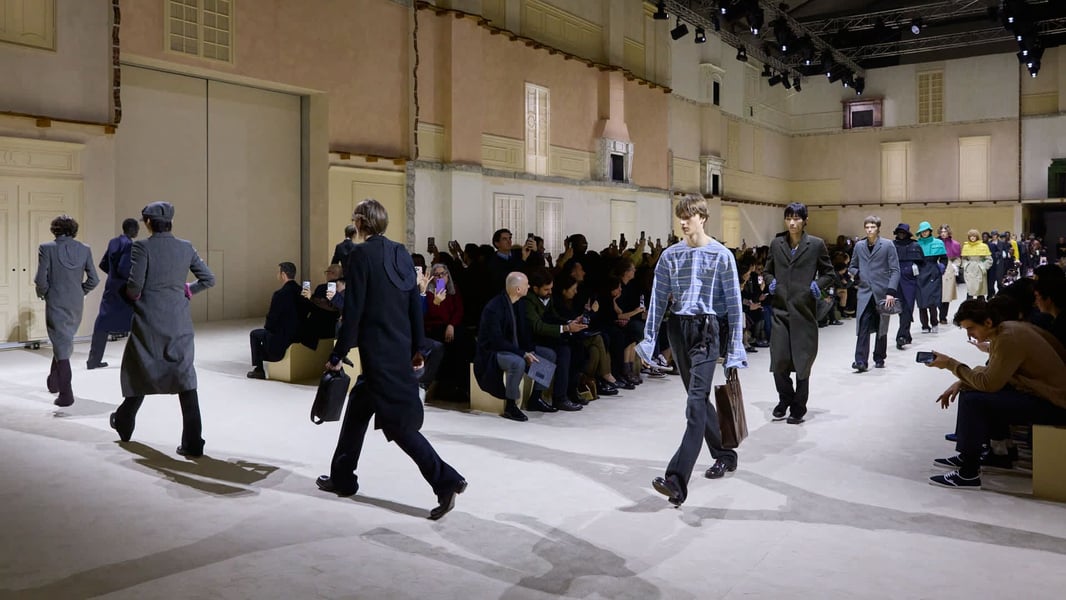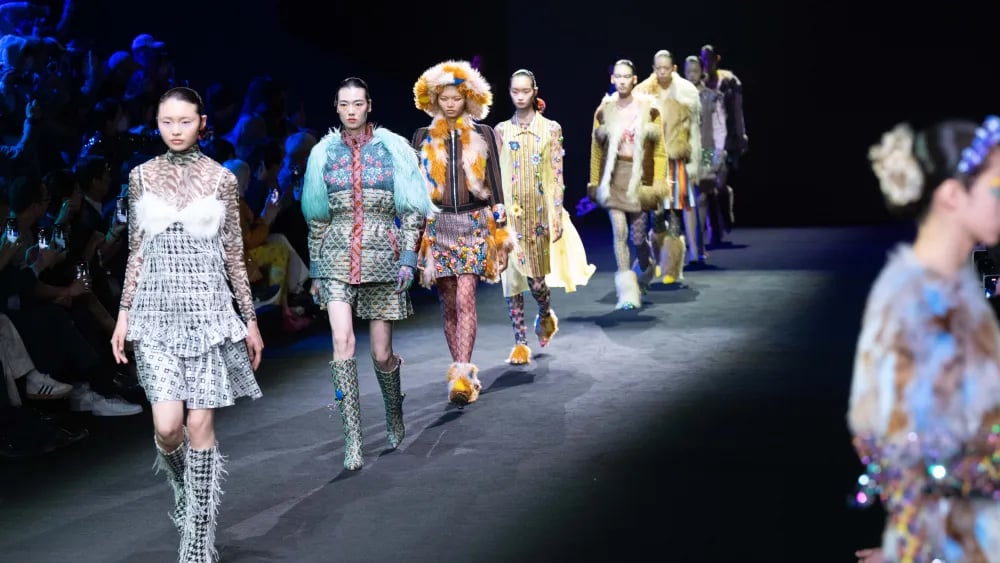

Shanghai is no longer waiting for validation from Paris, Milan, or New York. In 2026, it is rewriting the rules of global fashion power.
The latest edition of Shanghai Fashion Week has emerged not merely as a seasonal showcase but as a geopolitical signal: China’s luxury ecosystem is stabilizing, recalibrating, and increasingly dictating the future direction of the global fashion industry.
What is unfolding on the runways of Shanghai is not a rebound in the traditional sense, it is a structural shift.
A Fashion Capital Reclaims Its Authority
Shanghai Fashion Week has steadily evolved into a major global platform, but the 2026 edition marks a decisive turning point. With more than 60 brands participating and increasing international buyer presence, the event has regained its status as a critical commercial and cultural hub.
The mood this year was markedly different. After years of pandemic disruptions and economic uncertainty, the tone has shifted from cautious recovery to strategic consolidation. Designers are no longer chasing fleeting global trends, they are building long-term brand identities rooted in Chinese culture, craftsmanship, and digital innovation.
The Luxury Market: From Collapse to Controlled Recovery
To understand Shanghai’s resurgence, one must examine the broader luxury landscape in China.
The luxury market contracted by 3 to 5 percent in 2025, following an even sharper decline the year before. Yet beneath these headline figures lies a more nuanced reality: the foundations of a new growth cycle are already forming.
Analysts now expect a modest but meaningful recovery in 2026, driven by rising consumer confidence, a growing middle class, and policy support encouraging domestic consumption.
Crucially, domestic consumption now dominates, transforming cities like Shanghai into primary battlegrounds for global luxury brands.
The Rise of Chinese Designers and Cultural Power
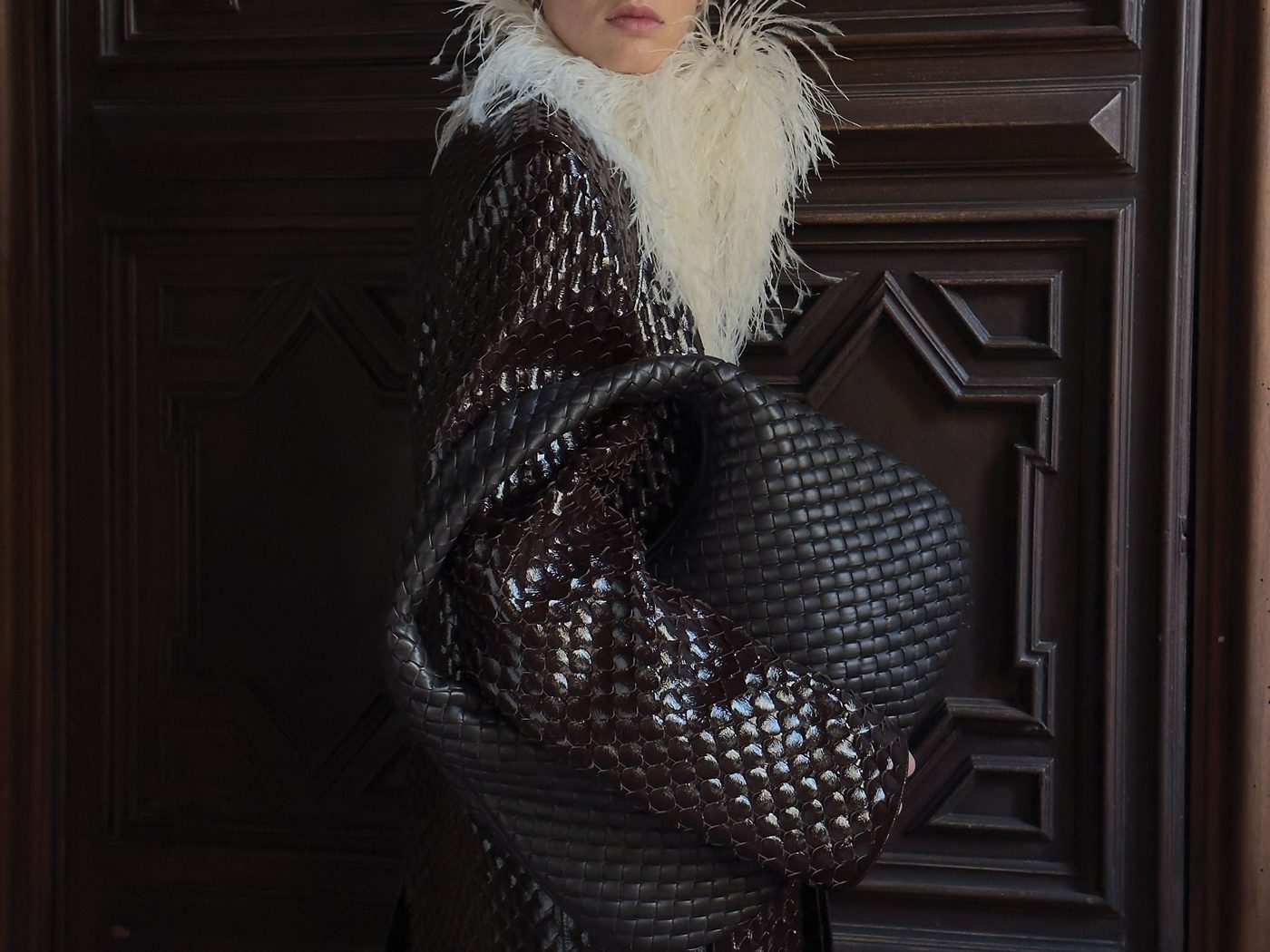
Perhaps the most significant development is the rise of Chinese designers, not as niche voices, but as global contenders.
This evolution reflects a deeper shift in cultural power. Instead of imitating Western aesthetics, Chinese designers are exporting their own design language, one that blends tradition, technology, and emotional resonance.
Western Brands Lose Ground, Then Adapt
While Chinese designers rise, Western brands are facing a stark reality: their dominance is no longer guaranteed.
The luxury downturn has exposed structural weaknesses, forcing brands to rethink their strategies.
Many are now navigating a slumping luxury market, while others are restructuring amid a prolonged luxury slump.
In response, global brands are investing heavily in China, staging shows, exhibitions, and immersive experiences tailored to local audiences.
Beyond Shanghai: Expansion Into New Chinese Cities
The transformation is not limited to Shanghai. Brands are increasingly expanding into emerging urban centers, recognizing new growth opportunities beyond traditional hubs.
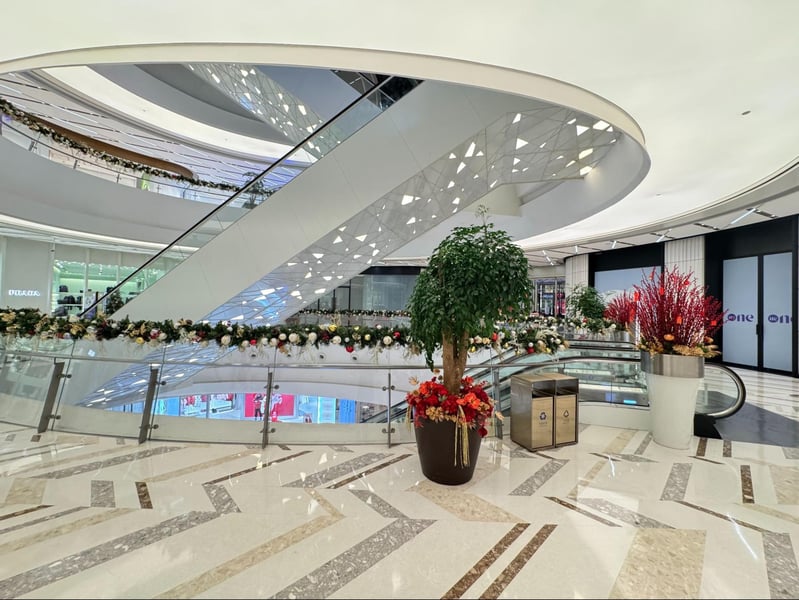
Digital Power and the New Retail Ecosystem
Another defining feature is the integration of digital commerce with physical fashion experiences.
Brands are increasingly adopting experiential retail, blending technology, storytelling, and commerce into a unified ecosystem.
This shift highlights how China is leading the global transformation of luxury consumption.
A Shift From Status to Substance
Underlying all these changes is a deeper transformation in changing consumer behavior.
The era of conspicuous consumption is fading. In its place is a more rational, value-driven approach to luxury, where meaning and authenticity matter more than logos.
Industry Disruption Beyond Luxury
This shift is also reshaping adjacent sectors. The fast-fashion sector is entering one of its most disruptive cycles, signaling broader structural change across the global fashion industry.
At the same time, debates about the extraordinary prosperity of luxury are intensifying.
Shanghai as a Global Fashion Power Center
Shanghai is no longer just participating in the global fashion conversation, it is shaping it.
The city is rapidly emerging as a central node in the global fashion industry, influencing trends, consumer behavior, and business strategies worldwide.
The Future Runs Through Shanghai
The significance of Shanghai Fashion Week 2026 extends far beyond fashion.
It reflects a broader transformation in global economic and cultural power. China is no longer just a market, it is a creator, innovator, and leader.
For brands, designers, and investors, the message is unmistakable: ignore Shanghai at your peril.
Because the future of fashion is no longer written solely in Paris or Milan. It is being designed, built, and scaled in Shanghai.