

Mariah Carey’s widely cited 70-pound weight loss has circulated for years as a polished story of discipline and transformation. But a closer reading of the timeline, supported by medical context and Carey’s own explanations, reveals a far more nuanced picture—one shaped less by dramatic fat loss and more by postpartum physiology, commercial dieting structure, and gradual behavioral change.
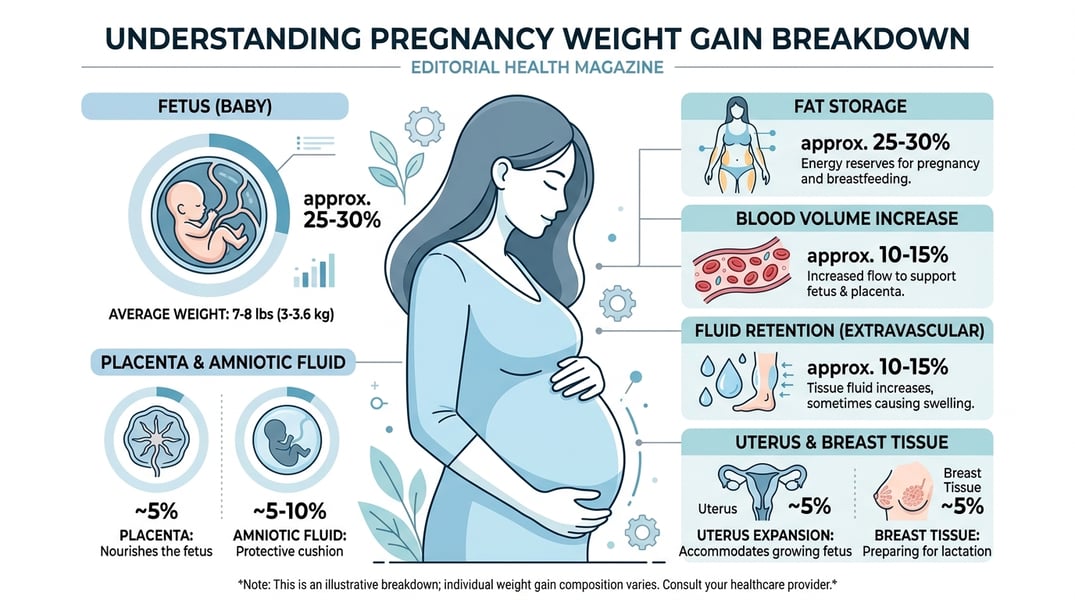
At the center of the misunderstanding is a critical distinction: a substantial portion of the reported weight change occurred during the postpartum phase, when the body naturally sheds fluid, blood volume shifts, and pregnancy-related retention. Carey herself has described severe edema after childbirth, a condition that can significantly inflate body weight independent of fat accumulation.
Medical authorities emphasize that pregnancy weight gain is not a single-dimensional process. According to clinical guidance, it includes fluid expansion, amniotic components, and increased blood volume alongside fat storage. Recovery, therefore, is not simply “weight loss,” but a physiological recalibration that unfolds over time rather than instantly.
The Misleading Simplicity of the “70 Pounds” Narrative
The headline figure collapses two very different biological processes into one number. Roughly speaking, a large portion of the early reduction is consistent with normal postpartum fluid normalization, while the remaining change occurred later through structured behavioral intervention.
This is where the story shifts from biology to discipline. Carey’s approach aligned with a controlled system of intake regulation commonly associated with commercial diet programs, emphasizing portion control, repetition, and reduced decision fatigue.
In public statements, Carey has repeatedly emphasized that results were driven primarily by food structure rather than physical exertion. The principle aligns with established nutritional science, which identifies energy balance as the decisive factor in body weight regulation. In academic terms, sustained change depends on a caloric deficit, not isolated behavioral extremes.
Structured Eating and Behavioral Control
Carey’s regimen reflected a system often described in nutritional literature as structured eating: predefined meals, controlled portions, and minimized variability. This approach reduces cognitive load and limits impulsive dietary choices, effectively turning food consumption into a managed routine rather than a reactive behavior.

The broader wellness industry has long leveraged similar frameworks, positioning structure as a substitute for willpower. In this context, Carey’s experience aligns less with celebrity exceptionalism and more with standardized weight management logic seen in clinical diet programs.
The discussion of structured diets also intersects with broader cultural debates about transformation narratives in entertainment. Contemporary coverage of celebrity body change frequently oscillates between admiration and skepticism, particularly in relation to pharmaceutical or programmatic interventions. These tensions are explored in wider reporting on celebrity-driven weight loss narratives, where public perception often diverges sharply from underlying biological or medical realities.
Postpartum Recovery: The Hidden Variable
Postpartum recovery is not a uniform process. According to maternal health guidance, the body undergoes prolonged adjustment involving hormonal recalibration, fluid redistribution, and metabolic normalization. This period can extend far beyond the immediate weeks after birth.
Institutions such as the American College of Obstetricians and Gynecologists describe this phase as medically complex, not cosmetically linear. The body does not simply “bounce back,” but gradually stabilizes through interconnected physiological systems.
This reality is often absent from public narratives, which tend to prioritize visible outcomes over biological timelines. In Carey’s case, early changes were heavily influenced by natural recovery processes, while later adjustments reflected structured dietary intervention.

Broader maternal health frameworks, such as those outlined by ACOG, reinforce that postpartum recovery is a multidimensional process involving physical, hormonal, and metabolic systems working in tandem rather than isolation.
The Role of Commercial Diet Systems
Carey’s post-pregnancy routine also intersected with a commercial meal-based structure widely used in mainstream weight management programs. These systems prioritize pre-portioned meals and consistent caloric control, effectively removing variability from daily consumption patterns.
From a behavioral standpoint, this reduces friction in adherence and creates predictable intake cycles. The approach is less about metabolic innovation and more about environmental design—engineering conditions that make overconsumption less likely.
However, such systems operate within broader debates about sustainability, autonomy, and long-term adherence. While effective in controlled phases, their durability depends on transition strategies once structured programs end.
Reframing the Transformation
When examined through a clinical lens, Carey’s transformation is neither mysterious nor exceptional. It is the result of three overlapping factors: postpartum physiological change, structured dietary control, and gradual lifestyle normalization.
Medical literature from organizations such as March of Dimes emphasizes that postpartum adjustment is an extended process shaped by both biological recovery and behavioral adaptation. Weight change during this period is therefore not a single event but a sequence of overlapping transitions.
Similarly, nutritional frameworks outlined in public health resources such as Harvard’s Nutrition Source reinforce that long-term weight outcomes are driven by sustained dietary patterns rather than episodic interventions.
Between Myth and Mechanism
Mariah Carey’s 70-pound figure persists because it is simple, memorable, and emotionally resonant. But the underlying reality is more procedural than mythical.
It reflects a convergence of postpartum biology, structured eating systems, and long-term dietary discipline—not a singular transformation moment. Stripped of its narrative gloss, the story becomes less about extraordinary change and more about predictable physiological and behavioral processes operating over time.
In that sense, the most revealing aspect of the story is not the number itself, but how easily complex medical and behavioral realities are compressed into a headline that feels definitive, even when it is not.