
New York — Global financial markets retreated Monday, ending a powerful rally from the previous week, after a fresh surge in oil prices and renewed uncertainty in the Persian Gulf unsettled investors and revived fears of a broader economic shock.
The pullback came swiftly. Major US indexes, including the Dow Jones Industrial Average, the S&P 500, and the Nasdaq Composite, moved lower or hovered near flat levels as traders reassessed risk following a sharp escalation tied to the Strait of Hormuz, one of the world’s most critical energy corridors.
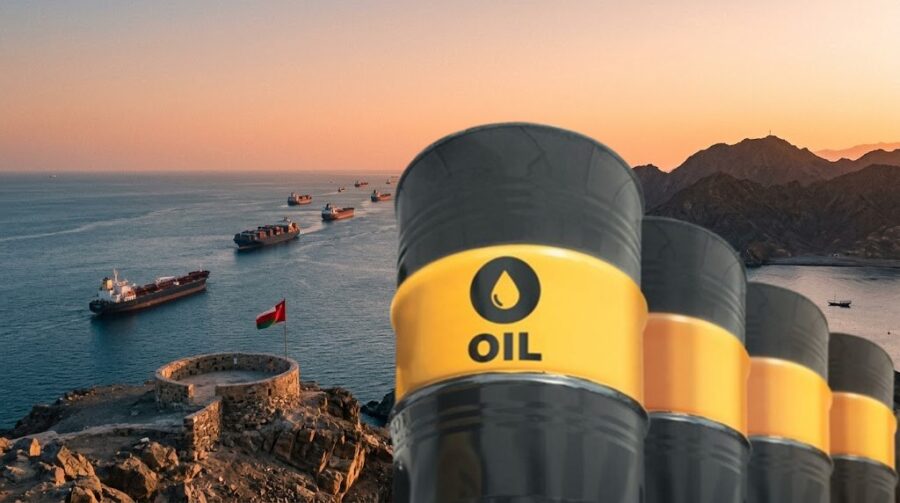
Oil prices rose sharply during the session, reversing earlier declines and once again becoming the central driver of global market sentiment. The shift reflected growing concern that disruptions in the Persian Gulf could threaten a significant portion of global energy supply, reinforcing the ongoing oil shock and global markets narrative.
The renewed volatility marks a stark change in tone from just days earlier, when markets surged to record highs amid optimism surrounding a temporary ceasefire. That optimism has since eroded, echoing earlier cycles where markets surge and oil drops before reversing sharply.
Fragile Calm Breaks Down
Investors had briefly taken comfort in signals that the Strait of Hormuz had reopened. But those expectations quickly faded as tensions resurfaced and geopolitical risks intensified.
Recent developments, including the seizure of a vessel linked to Iran and conflicting signals around negotiations, have cast doubt over the durability of the ceasefire. The situation now resembles a broader Strait of Hormuz crisis that continues to disrupt global trade flows.
Oil prices climbed more than 5 percent in response to fears of supply disruptions, pushing crude close to the $95 to $100 range and reinforcing inflation concerns across major economies.
Stocks Lose Momentum After Record Run
The decline in equities follows one of the strongest rallies of the year. Just last week, markets touched record levels, buoyed by easing geopolitical concerns and strong momentum in technology stocks.
That momentum has now stalled. The shift reflects how quickly stock market volatility can return when geopolitical risks re-emerge.
Market participants are increasingly wary that rising energy costs could undermine economic growth. Higher oil prices feed directly into inflation, complicating central bank policy and weighing heavily on equity valuations.
Bond markets are already signaling caution, with yields rising amid renewed inflation fears and global uncertainty.
Energy Markets Take Center Stage
The rapid swings in oil prices highlight the market’s sensitivity to developments in the Persian Gulf.
The Strait of Hormuz remains one of the most strategically important waterways in the global economy. Disruptions in the region have historically triggered sharp price spikes and broader economic consequences.
Analysts warn that continued instability could push prices higher, reinforcing the pattern seen in previous cycles where Iran war drives oil surge and amplifies global financial stress.
European markets have already shown signs of strain, with major indexes declining alongside rising energy prices.
Investors Navigate Uncertainty
The immediate challenge for markets lies in balancing geopolitical risks with economic fundamentals.
Corporate earnings remain a key focus, with several major companies scheduled to report results this week. Strong earnings could provide support, but geopolitical developments continue to dominate sentiment.
Recent developments underscore how oil prices and Iran tensions continue to dictate market direction, overshadowing traditional economic indicators.
Meanwhile, global investors are reacting to headlines rather than fundamentals, a pattern reinforced by recent sessions where Dow and Nasdaq react to oil shock in near real time.
Global Ripple Effects
The impact extends beyond equities and oil.
Gold and other commodities have shown mixed performance, reflecting competing forces of inflation, currency strength, and geopolitical uncertainty.
Currency markets and bond yields have also reacted sharply, underscoring the interconnected nature of global financial systems.
Recent sessions highlight how quickly sentiment can reverse, similar to moments when Dow jumps 900 points after oil drop following temporary easing signals.
A Market on Edge
For now, markets remain highly sensitive to developments in the Strait of Hormuz, where even small changes can trigger outsized reactions across asset classes.
The recent pullback does not necessarily signal a long-term reversal. But it underscores a growing reality: geopolitical risk has once again become a dominant force shaping global financial markets.
This volatility reflects deeper global shifts, closely tied to BRICS expansion and changing financial power structures.