
The silence creeping across deep space is not poetic. It is engineered.
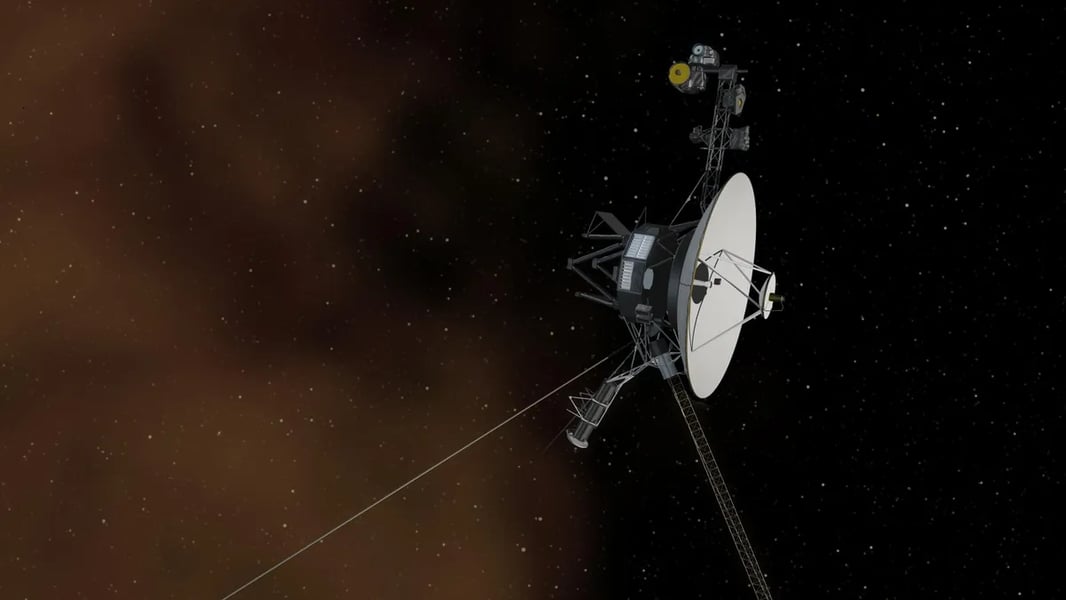
Nearly half a century after launch, NASA has begun shutting down yet another instrument aboard Voyager 1 , a calculated sacrifice designed to prolong the life of the most distant object humanity has ever built. The decision is neither symbolic nor optional. It is survival, as detailed in NASA shuts off instrument on Voyager 1.
Voyager 1, now more than 25 billion kilometers from Earth and drifting in interstellar space, is running out of power, slowly, irreversibly. Its nuclear battery loses roughly 4 watts of energy each year, forcing mission engineers into a brutal calculus: which scientific eyes must go dark so the spacecraft itself can stay alive.
In April 2026, NASA powered down the spacecraft’s low-energy charged particle instrument, a defining moment in the Voyager 1 instrument shutdown timeline. The move leaves only a handful of instruments still functioning, a stark reminder that Voyager 1 is entering its final operational chapter.
A Spacecraft at the Edge of Time
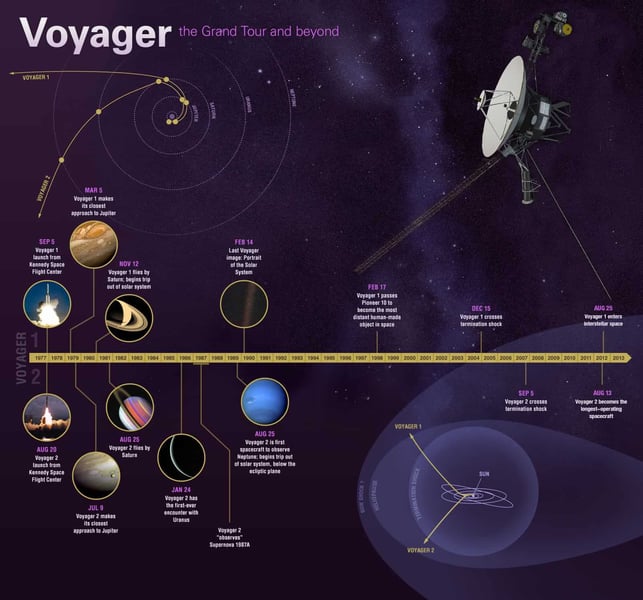
Launched in 1977, Voyager 1 was never meant to last this long. Its original mission was a brief planetary tour, Jupiter and Saturn, a few years of data, then silence. Instead, it rewrote the boundaries of exploration, becoming the first human-made object to cross into interstellar space in 2012, according to Voyager 1 mission details and status.
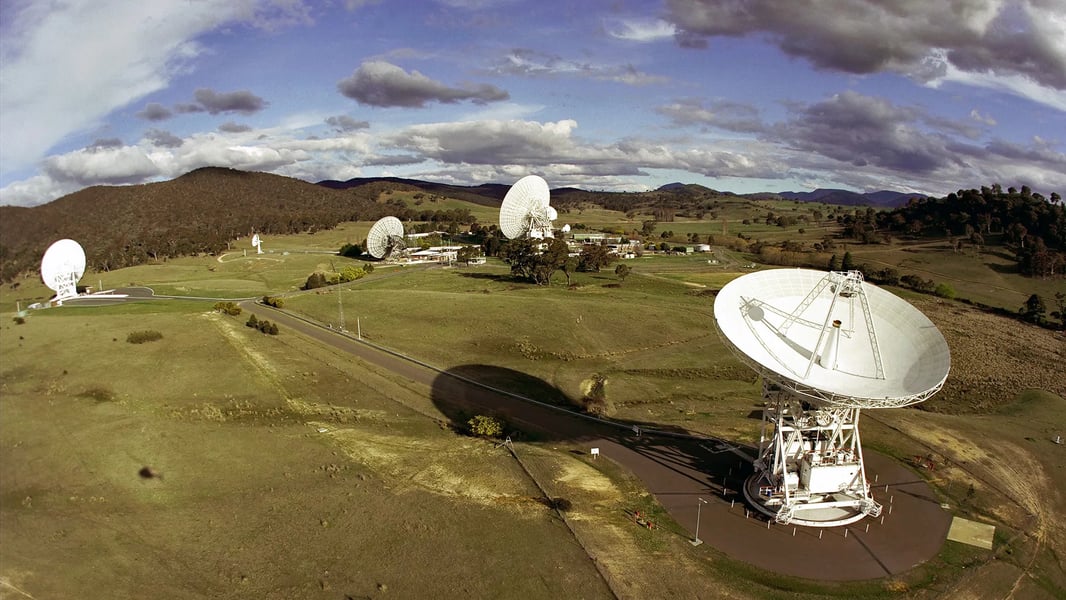
Today, communicating with it is an exercise in patience bordering on absurdity. A single radio signal takes more than 23 hours to travel one way. Commands sent from Earth require nearly two days for confirmation.
That delay transforms every engineering decision into a high-stakes gamble. There is no real-time control, no quick fix, only anticipation, uncertainty, and the cold mechanics of physics.
The Ruthless Economics of Power
The Voyager probes are powered by radioisotope thermoelectric generators, systems that convert heat from decaying plutonium into electricity. Elegant, reliable, and doomed to fade.
NASA has been preparing for this moment for years, carefully executing what engineers describe as a Voyager 1 power-saving strategy. Instruments have been shut down in stages, each decision extending the spacecraft’s operational life by months or years.
The latest move, widely framed as a Voyager 1 instrument shutdown to extend mission, reflects a deliberate trade-off: less data now in exchange for more time later.
But the margin is razor-thin. The spacecraft is operating on extremely small power reserves, where even minor fluctuations can trigger automatic shutdowns of critical systems.
Engineering Against Oblivion
What makes Voyager 1 extraordinary is not just its distance, it is the persistence of a machine designed in the 1970s still functioning in an environment no human has ever seen.
Each fix buys time. Not much, but enough.
The spacecraft now operates with only a minimal suite of scientific instruments, primarily measuring plasma waves and magnetic fields, the faint whispers of interstellar space. These measurements are unique. No other spacecraft is positioned to collect them. When Voyager goes silent, this stream of data ends permanently.
The Inevitable Endgame
NASA is not pretending otherwise. The mission is entering a managed decline.
Sometime between 2027 and the mid-2030s, Voyager 1 will no longer have enough power to run even a single instrument. After that, it will continue drifting, a silent artifact carrying the Golden Record, humanity’s curated message to the cosmos.
No rescue mission is possible. No upgrade will arrive. The spacecraft will outlive every human who worked on it, but it will not outlast entropy.

Why This Still Matters
This development adds to the growing momentum in space exploration coverage shaping global scientific discourse.
There is a temptation to frame Voyager’s slow shutdown as nostalgia, a relic fading into darkness. That misses the point.
This is a live experiment in extreme engineering longevity. It is a demonstration of how far human design can be stretched, how systems degrade, and how ingenuity can delay, but never defeat, physical limits.
More importantly, Voyager 1 is still doing science. Even now, at the edge of the Sun’s influence, it is sending back data no other instrument can replicate.
And that is why NASA keeps making these ruthless decisions, turning off one instrument after another, not out of failure, but out of discipline.
Because in deep space, survival is not about preserving everything. It is about choosing what matters most, and letting the rest go dark.