
A Premium Redesign Without Abandoning Modularity
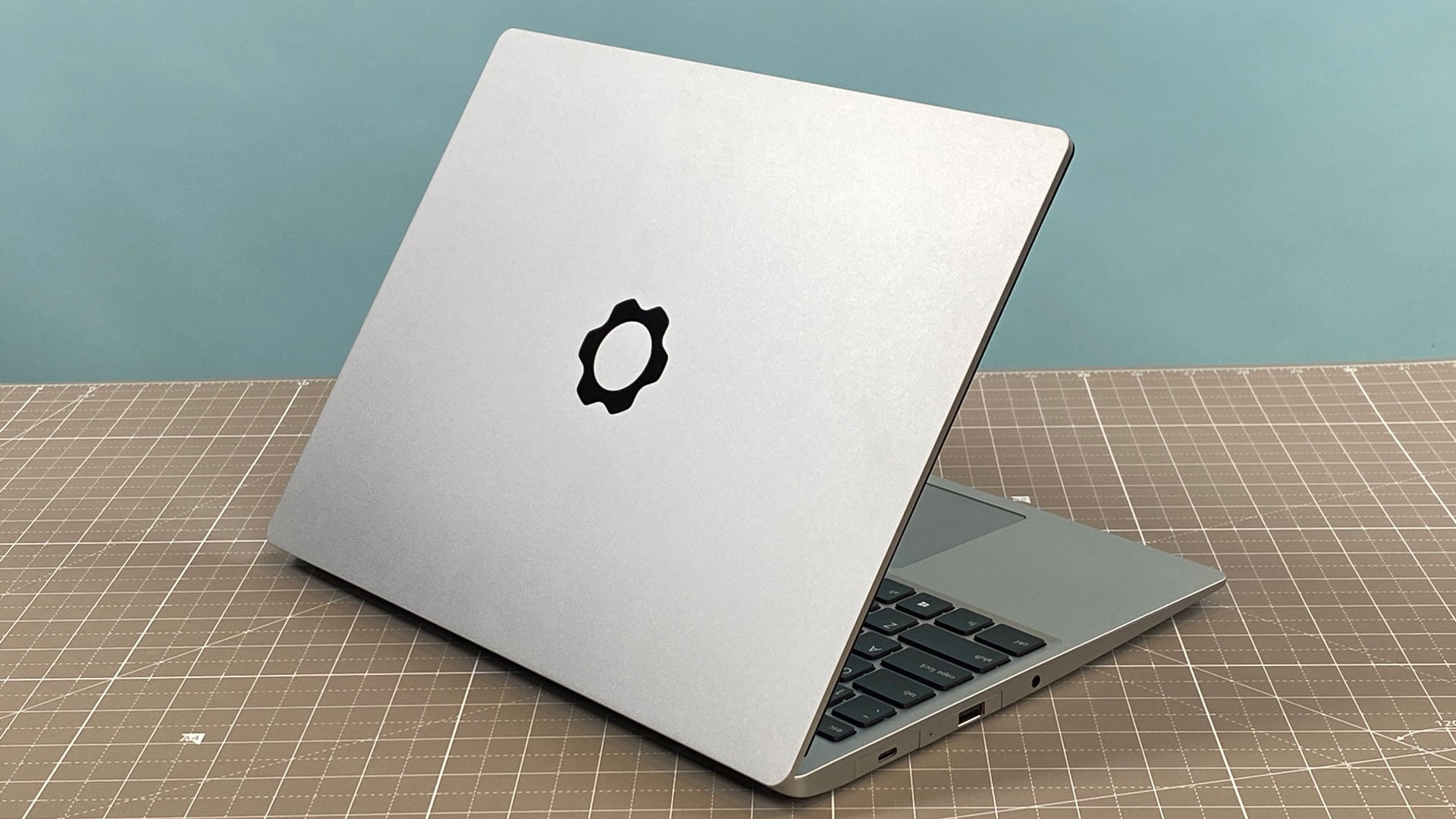
The Framework Laptop 13 Pro is not a minor refresh. It is a structural redesign that brings a more refined aluminum chassis, improved thermal architecture, and a stronger focus on professional performance. Unlike many ultraportables that prioritize thinness at the expense of serviceability, Framework continues to emphasize full component access.
According to Framework Laptop 13 Pro announcement and specs, the device introduces Intel Core Ultra Series 3 processors, support for high capacity LPCAMM2 memory, and PCIe 5.0 storage options. These upgrades position it closer to workstation class performance while maintaining the company’s signature modular design language.
Engineering Changes and Performance Focus
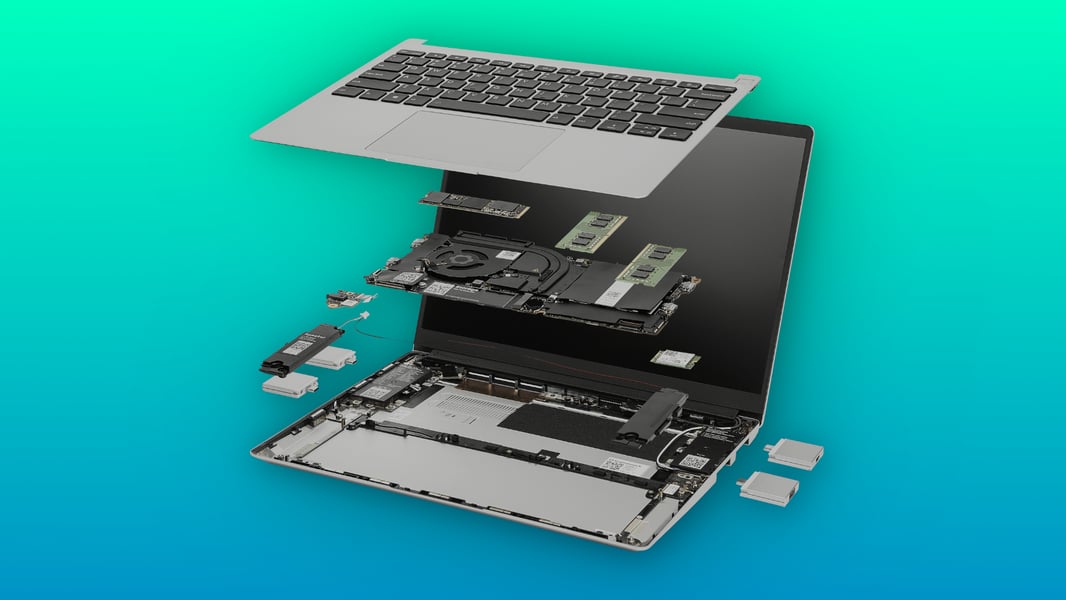
Beyond surface improvements, the Laptop 13 Pro introduces meaningful engineering updates that affect both performance and usability. Thermal efficiency has been improved to support sustained workloads, while battery optimization now targets significantly longer usage times.
A detailed breakdown from Framework Laptop 13 Pro design overhaul and hardware changes highlights how the company has reworked internal airflow and power distribution systems to support high performance chips without compromising noise levels or portability.
Framework claims that the device can handle extended 4K playback sessions while maintaining stable thermals, a benchmark that places it in competition with some of the most efficient laptops on the market.
A Shift Toward Premium Positioning
The Laptop 13 Pro also marks a philosophical shift for Framework. While earlier models were positioned as enthusiast friendly and relatively accessible, this new iteration moves into premium pricing territory. Starting configurations begin above the midrange segment, reflecting both higher performance targets and improved build quality.
As Framework’s repairable laptop philosophy and premium shift notes, the company is now attempting to prove that repairability and high end design are not mutually exclusive. Instead of compromising aesthetics or performance, Framework is trying to merge both into a single product category.
This shift is significant because it challenges a long held industry belief that modular devices are inherently less refined. Framework is attempting to reverse that perception by combining industrial design with long term upgrade potential.
Competing With the MacBook Pro Narrative
One of the most striking aspects of the launch is Framework’s positioning of the Laptop 13 Pro as a potential alternative for users who want MacBook Pro level performance without being locked into a closed ecosystem. The company is particularly targeting Linux users, developers, and professionals who value system control.
Coverage from MacBook Pro alternative for Linux users Framework analysis emphasizes how the device is engineered to support Linux distributions out of the box, including official Ubuntu compatibility and driver stability improvements.
This positioning reflects a broader shift in developer preferences, where control over hardware and software environments is becoming just as important as raw performance metrics.
Early Reactions and Community Response
Initial reactions from the tech community have been mixed but engaged. Enthusiasts praise the continued commitment to modularity, while some express concern about rising prices and whether Framework can maintain its original mission of accessibility.
Community discussions captured in early user reactions to Framework Laptop 13 Pro reflect this divide. Some users see the device as a breakthrough moment for repairable laptops entering the mainstream, while others worry it may drift too far into premium territory.
Despite these debates, the level of engagement suggests that Framework has successfully positioned itself as more than a niche hardware experiment. It is now part of a broader conversation about the future of personal computing.
A Broader Industry Turning Point
The release of the Laptop 13 Pro comes at a time when the laptop industry is facing renewed scrutiny over repairability, upgrade cycles, and long term value. Consumers are increasingly questioning whether sealed devices offer sustainable ownership in the long run.
Framework’s approach directly challenges this model by making every major component replaceable, from memory to storage to input modules. This philosophy aligns with a growing movement toward right to repair and user controlled hardware ecosystems.
If successful, the Laptop 13 Pro could mark a turning point where modular design is no longer seen as a compromise, but as a premium feature in its own right. That outcome would reshape expectations not only for Framework, but for the wider PC industry.