
In what could mark a subtle but significant shift in Apple’s product strategy, fresh leaks suggest that the base iPhone 18 may arrive with intentional downgrades — a move aimed at controlling rising costs for critical components rather than pushing innovation forward.
According to multiple reports emerging this week, Apple is considering scaling back certain hardware specifications in its next-generation iPhone, particularly in the standard model, even as its premium ‘Pro’ lineup continues to advance.
The changes, while described as minor, hint at a broader recalibration inside the company as it navigates mounting supply chain pressures and escalating component costs.
A quieter kind of downgrade
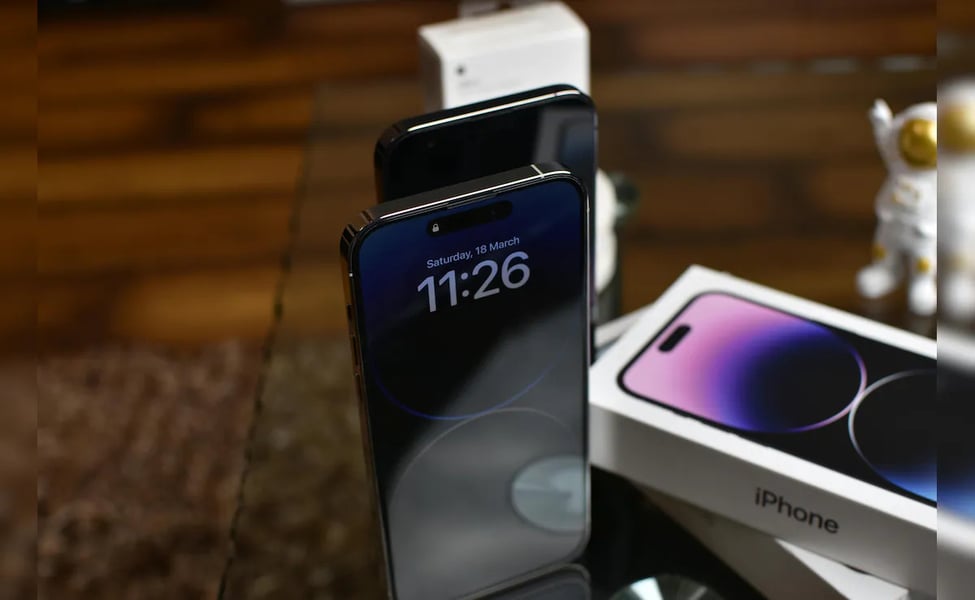
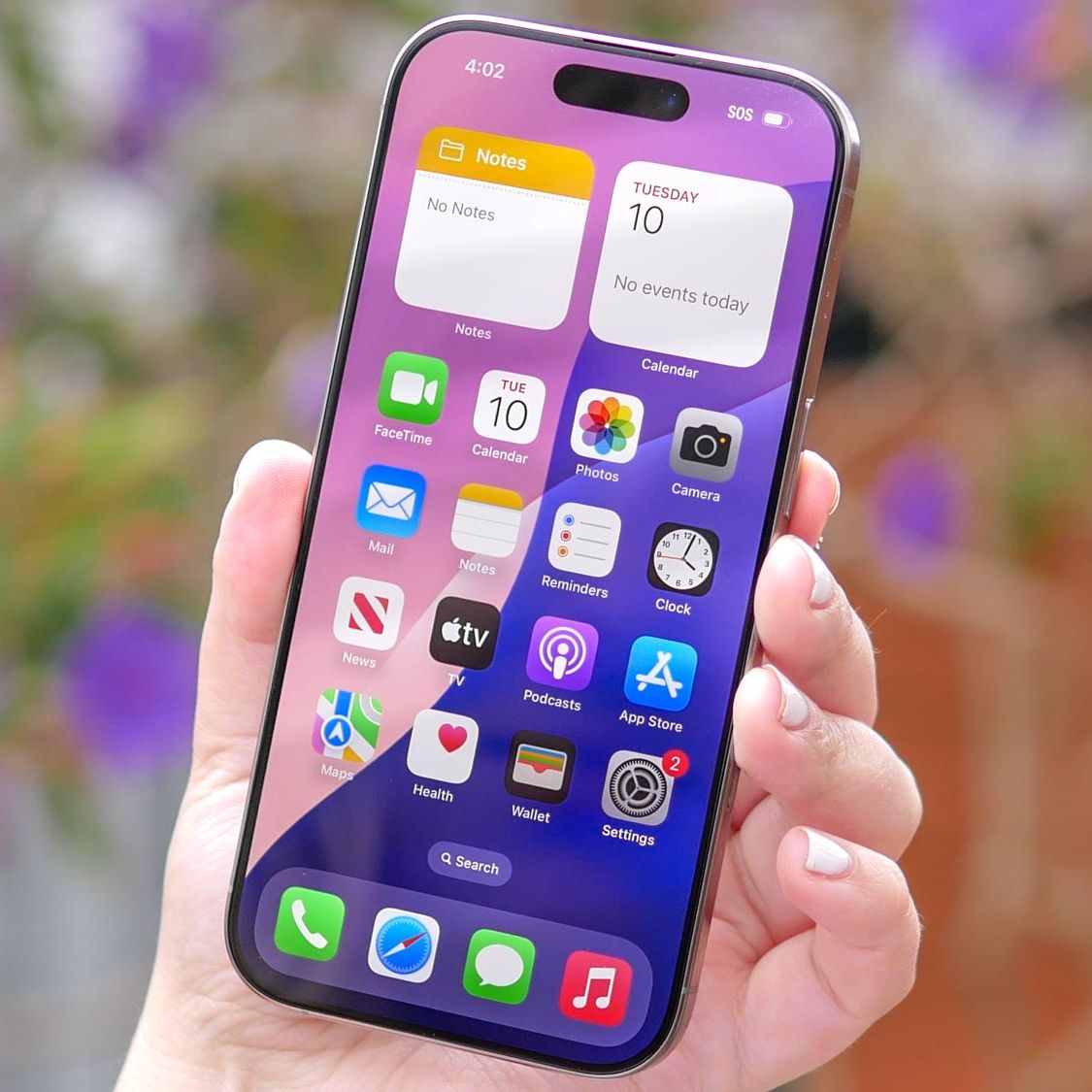
A report indicates that Apple may reduce some display specifications in the iPhone 18, potentially lowering peak brightness or refining other performance metrics compared with its predecessor.
At the same time, the device’s processor could also see a scaled-back configuration. Rather than deploying a fully powered chip, Apple may opt for a slightly limited version — similar to what it has previously done with its more affordable “e” models.
This could mean fewer GPU cores or reduced performance headroom, though the chip itself is still expected to outperform earlier generations.
For most users, the changes may go largely unnoticed. Analysts suggest the downgrades are subtle enough that everyday performance will remain largely unaffected.
Cost pressures reshape Apple’s playbook
Behind the decision lies a growing industry challenge: rising costs for memory, semiconductor manufacturing, and other key components.
Global demand for chips — fueled in part by artificial intelligence infrastructure — has intensified pricing pressures across the technology sector.
Faced with a choice between raising prices or adjusting specifications, Apple appears to be choosing the latter.
The strategy reflects a calculated move to maintain the iPhone’s current pricing tier, even as production becomes more expensive. Instead of passing costs directly to consumers, Apple is effectively redistributing value within the device.
One report describes this approach as bringing the standard iPhone 18 closer in line with a lower-cost variant, blurring the traditional gap between Apple’s mainstream and budget offerings.
A shift toward product segmentation
The rumored changes also align with a broader transformation in Apple’s release strategy.
Unlike previous cycles, the company is expected to introduce a staggered rollout, launching Pro models ahead of standard versions.
This staggered approach could allow Apple to better differentiate its premium devices — which are unlikely to be affected by cost-cutting measures — from its base models.
In effect, the company may be doubling down on segmentation, pushing high-end innovation into Pro devices while stabilizing margins on entry-level models.
The “shrinkflation” question
For consumers, the idea of a new iPhone arriving with reduced specifications raises uncomfortable questions.
Is Apple quietly introducing “shrinkflation” to its flagship product line?
The company has not confirmed any of the reported changes, and leaks remain speculative by nature. Still, the consistency of reports suggests that some level of adjustment is under serious consideration.
Crucially, the rumored downgrades appear to be strategic rather than sweeping. Core user experience elements are expected to remain intact, even if underlying specifications shift slightly.
What it means for buyers
If the iPhone 18 could represent a turning point, it may redefine how Apple balances innovation, pricing, and profitability.
For years, the company has steadily pushed hardware improvements across its entire lineup. Now, it may be entering a phase where not every generation delivers across-the-board upgrades.
Instead, buyers may face a more nuanced choice: pay more for cutting-edge features in Pro models, or accept incremental compromises in the standard version.
For Apple, the gamble is clear. As long as users do not notice — or do not mind — the trade-offs, the company can preserve its margins without disrupting its pricing strategy.
For consumers, however, the question is simpler: when a new iPhone looks the same but delivers slightly less, does it still feel like an upgrade?
The answer may define the reception of the iPhone 18 when it eventually arrives.