
In the weeks following its March launch, Crimson Desert faced a growing criticism that often shadows sprawling open world titles: once players conquered its vast territories, the world began to feel eerily quiet. Now, developer Pearl Abyss has responded with what may be its most consequential postlaunch update yet.
Patch 1.05, released on May 2, marks a decisive attempt to transform the late game experience from a barren victory lap into something closer to a living battlefield. At its core are two new systems “Rematch” and “Re-blockade” designed to ensure that combat, the backbone of the game’s appeal, does not simply fade away once players clear the map.
The update arrives at a critical moment. While Crimson Desert enjoyed strong early momentum, feedback from dedicated players pointed to a structural flaw: progression paradoxically reduced engagement. As regions were liberated, enemy encounters dwindled, leaving vast stretches of the game’s richly detailed world underutilized. This growing concern is explored in detail in Crimson Desert patch 1.05 update details.
Pearl Abyss appears to have taken that criticism seriously.
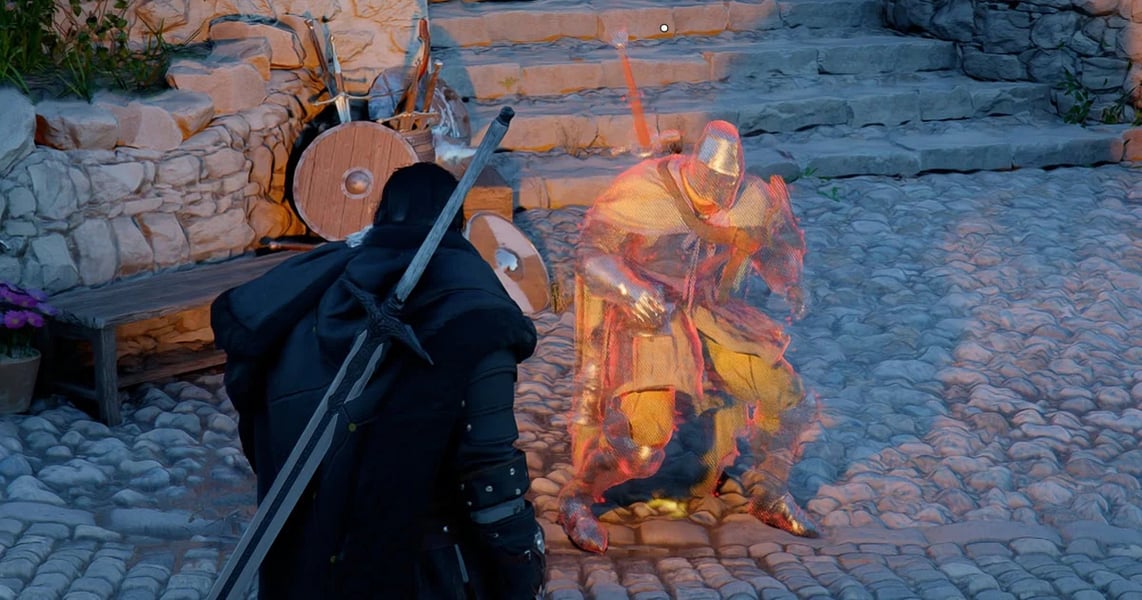
This dual approach transforms past victories into a testing ground for experimentation, allowing players to refine combat strategies without restarting the game.
Equally significant is the introduction of Re blockade mechanics, which fundamentally alter the game’s world state. Previously conquered strongholds can now fall back into enemy hands, reigniting conflicts across the map.
The result is a world that no longer remains static after completion. Instead, it cycles through phases of control and resistance, echoing the dynamic warfare systems seen in modern open world design trends often covered in our gaming news section.
Developers acknowledged the underlying issue directly, noting that combat had “become less frequent” as players progressed.
Early reactions suggest that the changes are already reshaping player perception. The update effectively reframes Crimson Desert not as a finite journey, but as an evolving sandbox.
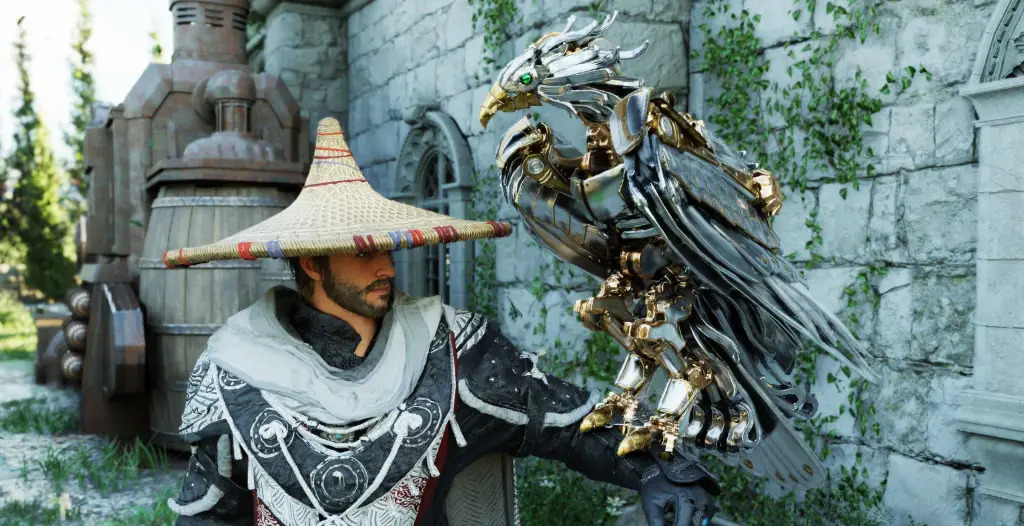
Beyond combat systems, the patch introduces additional content, including new legendary creatures that players can tame as pets, alongside improvements to mounts, inventory systems, and exploration. A breakdown of these broader enhancements can be found in Crimson Desert biggest updates since launch.
Earlier critiques of the game’s systems explored in early patch issues and improvements analysis emphasized the need for a more reactive world.
The scale of the update reflects broader industry trends, similar to those discussed in our technology coverage, where platforms are increasingly treated as evolving ecosystems.
Continued refinements are part of a larger wave of post launch updates improving gameplay experience.
For now, the immediate impact is clear. What was once criticized as an “empty” endgame is being reimagined as a cyclical battlefield.
And in a genre where scale often comes at the cost of sustained engagement, Crimson Desert may have found a way to turn its greatest weakness into a defining strength.